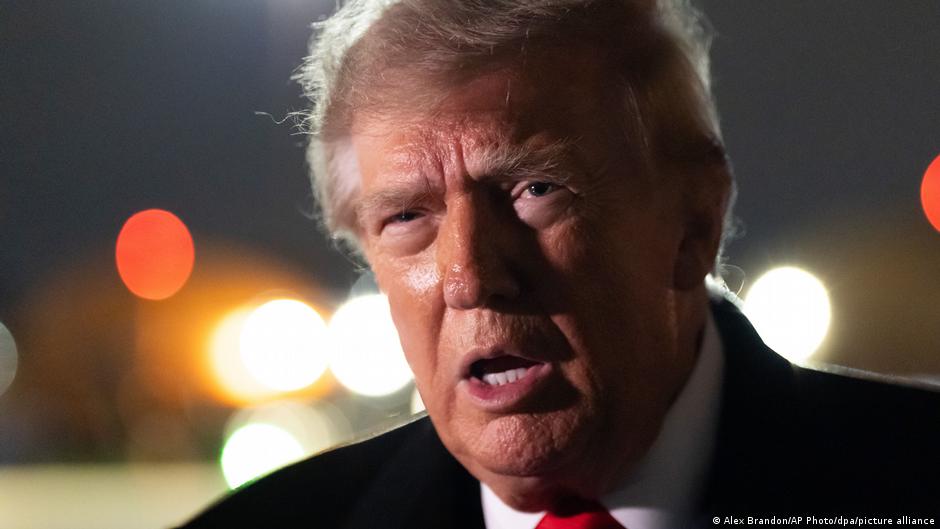
US-Iran Nuclear Talks Hang on Red Lines as Trump Demands Strict Compliance
President Trump insists on firm conditions for any agreement with Iran, underscoring the impact on geopolitical stability and global financial markets.
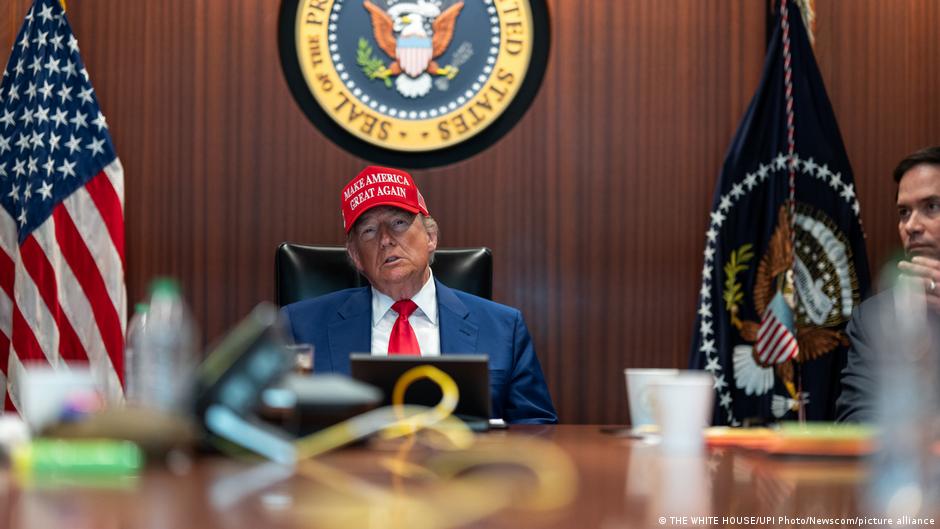
US President Donald Trump has made it clear that any potential agreement with Iran hinges on Tehran adhering to stringent conditions, one of the most critical being that Iran must never acquire nuclear weapons. This position was outlined by a White House representative following high-level consultations held on May 30 in Washington.
Trump convened his advisers in the White House Situation Room for a two-hour meeting to evaluate the terms of a possible settlement with Iran. The administration emphasizes that the President will only endorse an agreement that safeguards US interests and respects his defined "red lines."
Implications for Fintech and Global Markets
The ongoing diplomatic negotiations bear significant implications for the fintech sector, digital banking, and broader financial markets. Heightened geopolitical tensions, especially concerning Iran's nuclear ambitions, can contribute to market volatility, affecting currency valuations, tech stock performance, and investor confidence in digital assets.
"President Trump will only finalize an agreement that benefits America and respects his red lines," said a White House official.
Earlier reports indicated that US and Iranian negotiators had tentatively reached a framework agreement aimed at resolving conflicts, yet no definitive consensus has been achieved. Iranian Foreign Ministry spokesperson Esmail Bakaei confirmed that message exchanges continue but that a final accord remains elusive.
For the fintech industry, any breakthroughs or setbacks in US-Iran relations can influence cross-border payment systems and cybersecurity strategies. Sanctions relief or escalation impacts the integration of Iranian financial entities into the global digital economy, potentially altering transaction flows and compliance frameworks.
Moreover, shifts in US foreign policy affect the valuations and operational environments of technology companies involved in defense, cybersecurity, and blockchain-based financial services. Investors in tech stocks closely monitor these developments, as geopolitical stability can foster or hinder innovation and market growth.
As the situation develops, fintech firms and digital economy stakeholders should prepare for varying scenarios, aligning risk management and strategic planning with evolving geopolitical realities.