US Military Strikes Iran for Tenth Consecutive Day Amid Rising Middle East Tensions
Continued US attacks target Iranian military infrastructure, escalating regional conflict with implications for global trade and digital security.
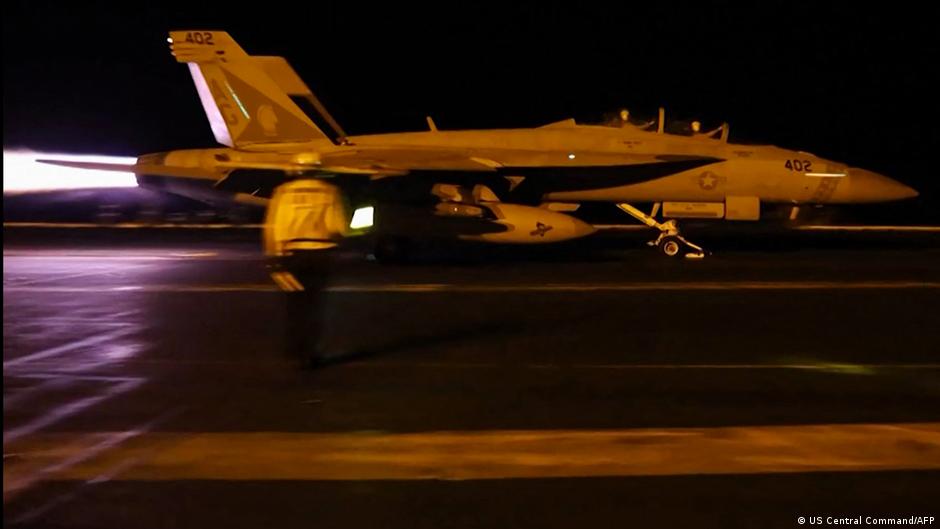
For the tenth straight day, the US armed forces have launched a series of military strikes against Iran, intensifying geopolitical tensions in the Middle East. The latest wave of attacks, initiated on July 20 at 16:00 EST (22:00 CET), focused on Iranian air defense systems, missile launch sites, and drone facilities, according to the US Central Command (CENTCOM).
Strategic Impact on Regional Stability and Global Supply Chains
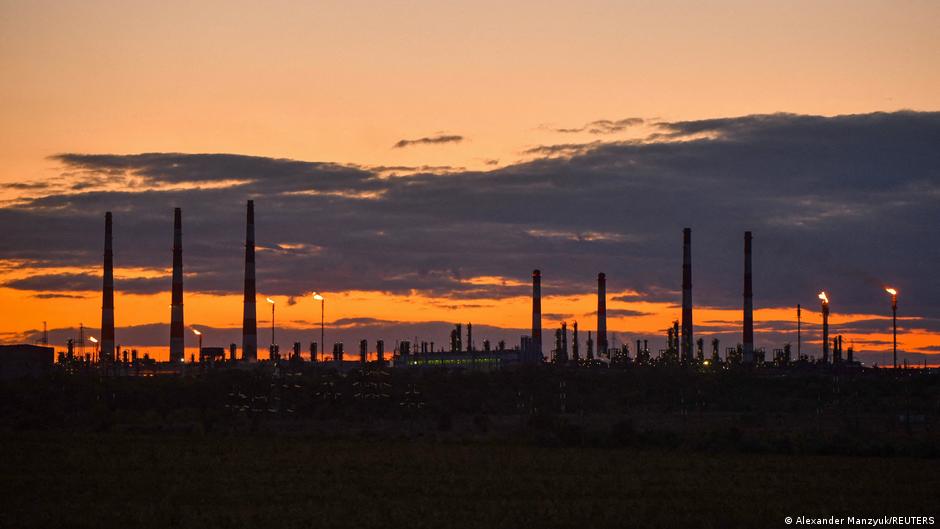
CENTCOM officials stated that these strikes aim to further degrade Iran's military capabilities used in attacks on civilian maritime vessels in the strategically critical Strait of Hormuz. The area is a key chokepoint for global oil shipments, and recent disruptions have raised concerns about the stability of supply chains and energy markets worldwide.
"These strikes are intended to weaken Iran’s ability to threaten maritime traffic through the Strait of Hormuz, a vital artery for global energy supplies," said CENTCOM in a recent statement.
The escalation has already impacted shipping traffic through the Strait, with vessel transits reduced significantly over the last weekend. Data from the London Stock Exchange showed only four ships passed through on July 19, down from eight on July 18, a clear sign of growing operational risk in the region.
In response to the US strikes, Iran conducted retaliatory attacks using drones and missiles targeting countries hosting American military bases, including Kuwait and Jordan. Additionally, Tehran formally annulled a ceasefire agreement made with Washington in June, which had aimed to foster a peaceful resolution within 60 days.
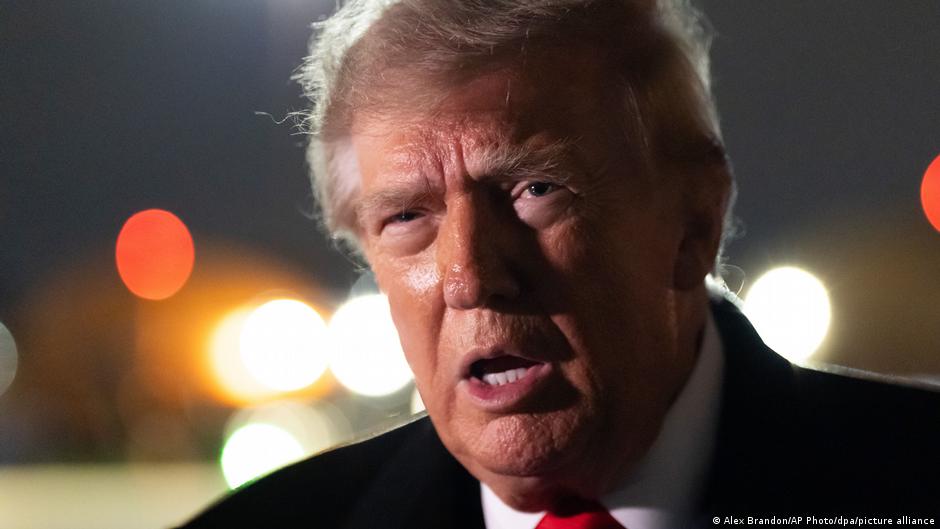
On the domestic front, President Donald Trump issued stern warnings to Iran, threatening "multiple" reprisals for any future American casualties. His administration conveyed directives to the Pentagon emphasizing a hardline stance in protecting US personnel and interests.
Since the recent escalation began, CENTCOM has confirmed the deaths of three US service members, bringing the total military fatalities related to the conflict with Iran since February to 17.
Fintech and Digital Economy Risks Amid Heightened Cyber and Security Threats
Beyond physical confrontations, experts note that heightened military conflict in this geopolitically sensitive region poses increased risks to fintech and digital infrastructure. The Strait of Hormuz is a critical artery for global commerce, and disruptions can ripple through digital payment networks, commodity trading platforms, and cross-border financial flows.
Moreover, the ongoing hostilities intensify cybersecurity threats. State-sponsored cyberattacks against financial institutions, payment systems, and digital banking platforms could escalate as part of broader asymmetric warfare tactics. Financial technology firms and investors in tech stocks should monitor developments closely as regional instability could spur volatility and accelerate regulatory scrutiny.
Technology companies operating in or reliant on Middle Eastern markets may face operational challenges or heightened compliance demands. Additionally, volatility in oil prices triggered by the conflict can impact market sentiment and investment strategies related to energy-linked fintech products and blockchain-based commodity trading solutions.
In sum, the US-Iran conflict's expansion underscores the complex intersection of geopolitical events and the digital economy—where military actions in key regions can cascade into disruptions across fintech, cybersecurity, and global digital payments ecosystems.