EU Holds Back on Appointing Negotiator with Putin Amid Strategic Deliberations
The European Union delays naming a representative for talks with Russia, focusing instead on sanctions impacting financial and defense sectors.
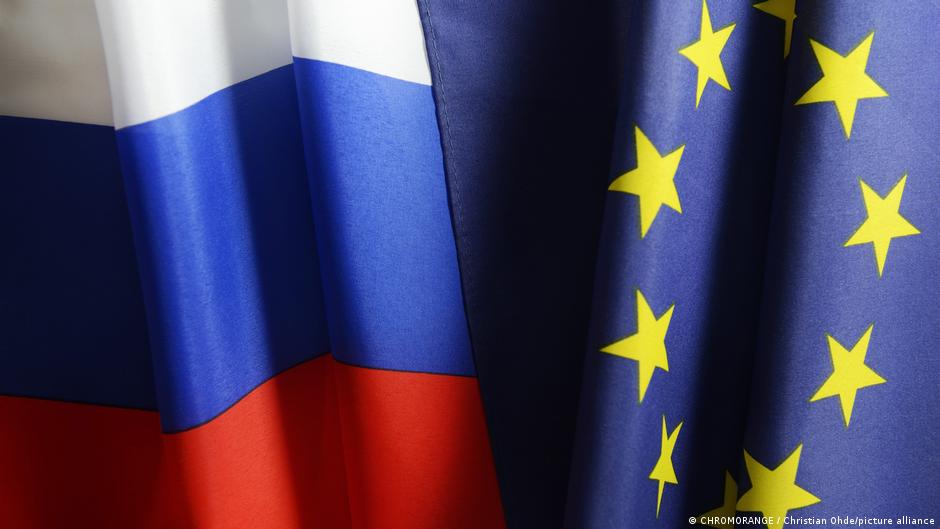
The European Union has decided not to appoint a representative for potential negotiations aimed at ending the war in Ukraine. EU officials emphasize the need to first develop a clear strategy and define specific topics for discussion with Russia before initiating talks.
EU Prioritizes Sanctions and Strategic Clarity Before Negotiations
According to high-ranking EU officials, naming a dedicated negotiator is currently deemed premature. This perspective is shared by key figures including the EU's High Representative for Foreign Affairs and Security Policy, as well as leading member states such as Germany.
"We first need to agree on exactly what we want to discuss with Russia," explained an EU official.
The EU believes that sustained sanction pressure remains the most effective tool to bring Russian President Vladimir Putin to the negotiating table. On May 28, the European Commission and the European External Action Service (EEAS) are set to present the 21st sanctions package targeting Russia in closed consultations. This package is expected to focus on the financial sector and suppliers to the Russian defense industry.
Within EU circles, there has been active debate over whether to appoint a special envoy for negotiations with Russia. Notable figures suggested for this role have included former European Central Bank President Mario Draghi, former German Chancellor Angela Merkel, and Finnish President Sauli Niinistö. The choice of negotiator carries significant weight in diplomacy and could influence market perceptions, particularly in fintech, digital banking, and the broader digital economy sectors.
Russian President Vladimir Putin has reportedly preferred former German Chancellor Gerhard Schröder as the EU's negotiations representative. However, both the current German government and EU representatives have dismissed Schröder—a figure considered to be close to Putin—as a viable candidate. German Chancellor Friedrich Merz underscored this stance by affirming, "We Europeans decide ourselves who speaks on our behalf. No one else."
Implications for Financial and Tech Sectors
The ongoing EU deliberations and forthcoming sanction measures are poised to impact multiple facets of the financial ecosystem. Enhanced sanctions on Russia’s financial sector could affect cross-border payment systems, international banking relations, and the stability of fintech platforms that interface with Russian entities.
Furthermore, restrictions targeting suppliers to the Russian defense industry may influence technology exports and cybersecurity collaborations. Given the strategic role of digital infrastructure and cybersecurity in modern conflict zones, heightened sanctions could accelerate shifts towards more resilient, decentralized payment and digital banking systems within and outside the EU.
Investors and market participants should also monitor how these geopolitical developments influence European tech stocks, especially those engaged in fintech, cybersecurity, and defense-related technologies. Persistent sanction pressure and diplomatic uncertainty may drive increased adoption of blockchain-based financial services as alternatives to traditional banking frameworks.