US-China Trade Talks Signal Renewed Deals on Oil and Soybeans Amid Geopolitical Tensions
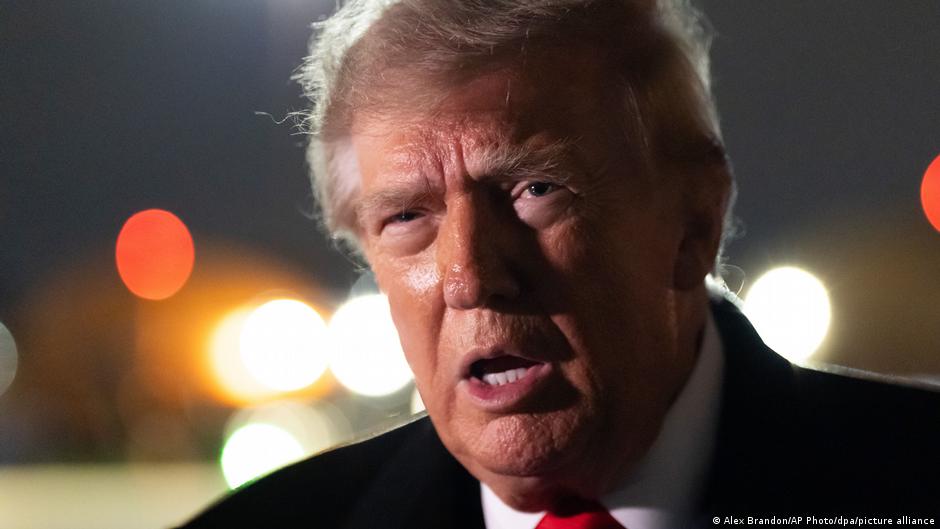
Donald Trump reveals China's interest in purchasing US oil and soybeans, highlighting potential impacts on energy and commodity markets.
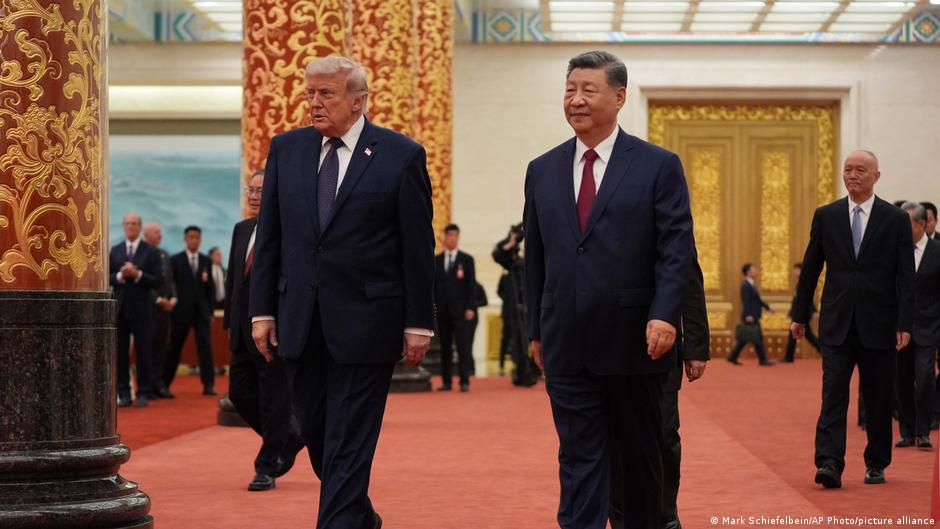
In a significant development for global trade and commodities markets, former US President Donald Trump disclosed that China is showing renewed interest in buying American oil and soybeans. The revelation came after intensive discussions between Trump and Chinese President Xi Jinping during a meeting in Beijing.
China’s Shift in Energy and Agricultural Imports
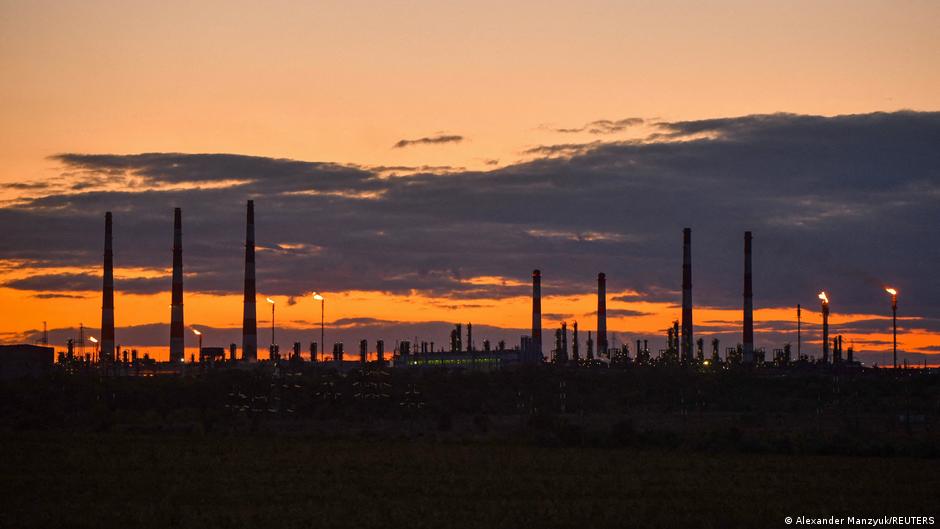
China has long been a major consumer of foreign oil, traditionally relying heavily on sources such as Iran. However, in recent years, trade tensions and sanctions have reshaped these dynamics. Prior to the escalation of the US-China trade war in 2025, China imported small quantities of oil from the United States but curtailed these purchases as the conflict intensified. Similarly, China drastically reduced its import of US soybeans, pivoting instead towards Brazil as a primary supplier.
Trump’s comments suggest a potential thaw in these strained trade relations, with China considering increasing purchases of US energy and agricultural commodities. This could have a ripple effect on global supply chains and commodity prices, particularly in the sectors of energy and agriculture where digital trading platforms and fintech solutions facilitate cross-border transactions.
"China wants to help in negotiations to end the conflict involving the US and Israel with Iran and has promised not to supply weapons to the Islamic Republic," Trump stated, reflecting on discussions with Xi Jinping.
Geopolitical Implications and Digital Economy Relevance
Beyond trade, Trump indicated that President Xi might leverage China’s influence over Iran to ease tensions in the Middle East. Given China's role as a significant buyer of Iranian oil, such diplomatic maneuvers could stabilize energy markets and impact cybersecurity considerations related to sanctions enforcement and international financial transactions.
For fintech and digital economy sectors, these developments underscore the importance of secure, compliant payment systems capable of managing increasingly complex international trade flows amid geopolitical uncertainty. Additionally, any shifts in US-China trade policies can affect technology stocks, particularly those tied to energy, agriculture, and cross-border payment solutions.
Trump also emphasized a tough stance on Iran, stating he would not tolerate continued hostility and urging Tehran to negotiate a deal with Washington. He addressed concerns about Iran's enriched uranium stockpiles, suggesting options for containment or acquisition to prevent nuclear proliferation.
This evolving scenario highlights the interconnectedness of international trade policies, energy security, and the digital infrastructure supporting global commerce, including blockchain and cryptocurrency platforms that facilitate transparent and efficient transactions.