Israeli Airstrikes on Iran Heighten Regional Tensions Amid US Peace Efforts
Israel's military response to Iranian rocket attacks raises geopolitical risks affecting fintech and digital economy sectors.
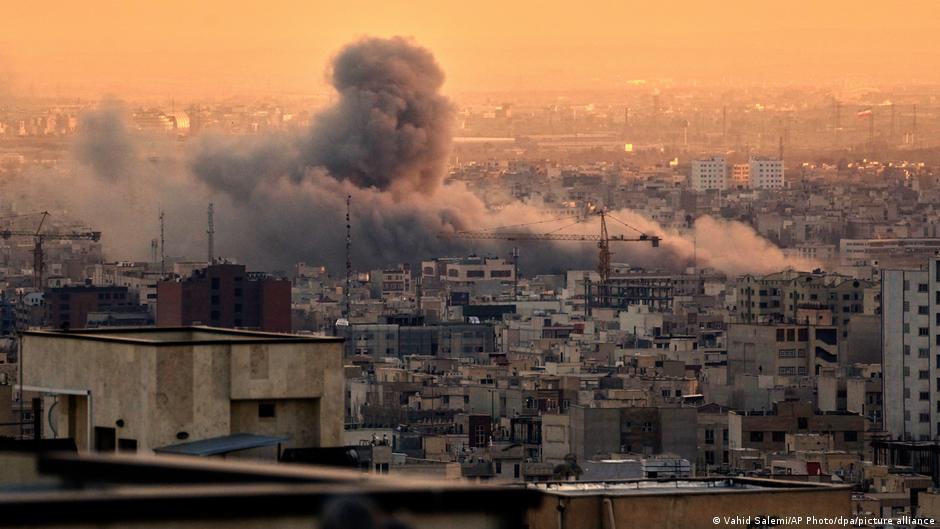
On June 8, the Israeli Defense Forces (IDF) conducted airstrikes targeting locations in western and central Iran in retaliation for recent rocket attacks launched by Iran against Israeli territory. The precise targets within Iran were not disclosed by the IDF, which communicated the operation through social media.
The escalation began the previous evening when Israel reported Iranian missile strikes, prompting nationwide alerts and the closure of schools to ensure civilian safety. The situation underscores increasing instability in the Middle East, with implications extending beyond military and political domains into the realm of fintech, cybersecurity, and digital economies that increasingly rely on regional peace and infrastructural stability.
Implications for Fintech and Digital Economy
The intensification of hostilities between Israel and Iran risks destabilizing key economic corridors in the Middle East, which could disrupt digital payment systems, cryptocurrency networks, and the operations of tech companies with regional ties. Israel, a global leader in cybersecurity and fintech innovation, may face heightened cyber threats as geopolitical tensions provoke retaliatory attacks in cyberspace.
Moreover, volatility in the region can affect investor confidence in technology stocks, including firms specializing in digital banking and blockchain technologies, by introducing uncertainty about supply chains, regulatory environments, and cross-border financial transactions.
"The current conflict heightens the risk profile for fintech sectors reliant on stable geopolitical environments, especially in areas pivotal for digital infrastructure and cybersecurity," said an industry analyst.
US President Donald Trump has publicly confirmed his administration's intention to pursue a peace agreement with Tehran, which if successful, could stabilize the region and provide a more secure landscape for the development and adoption of digital financial technologies. However, negotiations remain fragile, with fundamental disagreements persisting over Iran's nuclear ambitions and military activities.
Recent reports indicate that preliminary framework agreements for conflict resolution have been reached between the US and Iran, yet final accords have not materialized. The outcome of these diplomatic efforts will significantly influence the digital economy's trajectory, particularly regarding cybersecurity cooperation, cross-border payment facilitation, and regulatory harmonization in fintech operations.
In this context, industry stakeholders are closely monitoring developments, recognizing that prolonged regional instability could impede progress towards integrated digital financial services and compromise the resilience of critical fintech infrastructure.