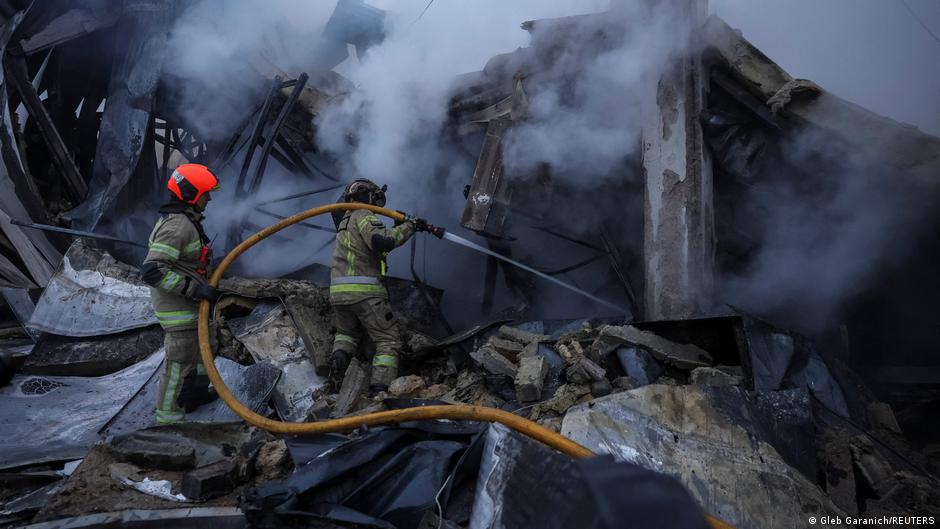
US Military Intercepts Iranian Ballistic Missile Attack Amid Middle East Tensions
US forces successfully intercepted ballistic missiles launched by Iran, maintaining high alert amid ongoing regional conflicts.
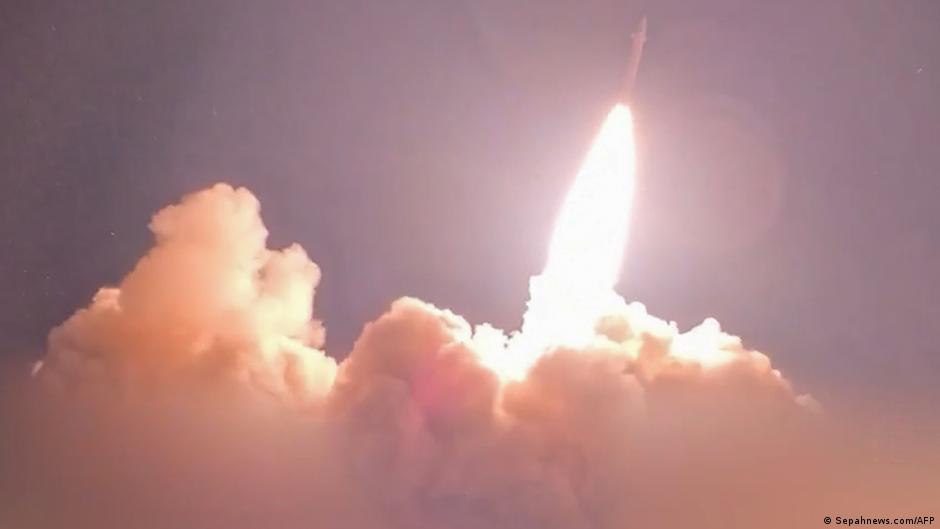
The US military has reported intercepting several ballistic missiles launched from Iranian territory targeting American forces stationed in the Middle East. The incident marks a renewed escalation amid a period of relative restraint between the two sides.
According to the US Central Command (CENTCOM), the Islamic Revolutionary Guard Corps (IRGC) attempted a "surprise attack" by firing multiple ballistic missiles at US military personnel deployed in the region. The missiles were intercepted successfully, with US forces maintaining high readiness and vigilance.
Implications for Regional Security and Digital Economy
This renewed military tension comes after several nights of US airstrikes on Iranian military targets between July 12 and 24, aimed at weakening Iran's ability to threaten commercial shipping in the strategically critical Strait of Hormuz. The IRGC has repeatedly attacked oil tankers in this area, disrupting maritime routes essential for global energy supplies.
The missile attack and ensuing military responses pose significant risks not only to physical security but also to the stability of the regional economic and digital infrastructure. Increased volatility in energy markets can trigger ripple effects across fintech sectors, impacting payment systems, digital banking, and tech investments globally.
"US forces in the region remain on high alert, reflecting the fragile balance affecting both security and economic stability," CENTCOM stated on social media.
From a fintech perspective, ongoing conflicts in geopolitically sensitive regions can exacerbate cybersecurity risks and disrupt digital payment flows. The heightened military activity could strain supply chains for critical technology components and impact the valuations of defense and tech stocks linked to cybersecurity and missile defense systems like the Patriot complexes.
Moreover, concerns about potential shortages of missile interceptors and other defense mechanisms—which reportedly influenced US decisions to delay further strikes—highlight the interdependence between military readiness and economic considerations, including the protection of digital assets and infrastructure.
US President Donald Trump, earlier in July, threatened Iran with "multiple consequences" in response to attacks on American personnel, underscoring the administration's firm stance despite the risks of broader escalation.
This episode underscores how geopolitical conflicts continue to influence the fintech and digital economy landscape, with implications for global payment security, digital banking resilience, and technology stock performance.