Russian Missile Strikes on Kyiv Put Digital Infrastructure on Alert
The attacks killed at least one person in Kyiv and two in Kharkiv, underscoring risks to the urban systems supporting Ukraine’s digital economy.
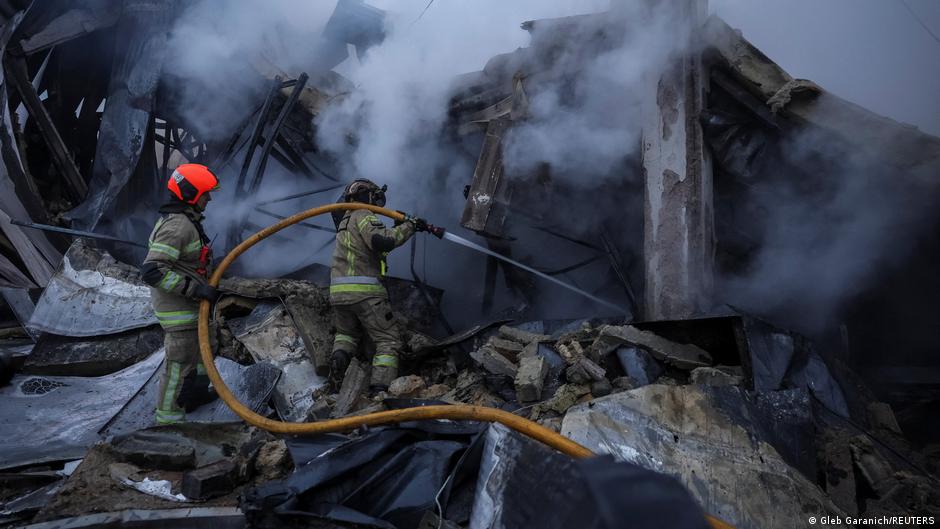
Russian forces launched a series of missile strikes on Kyiv on the evening of October 26, killing at least one person and injuring no fewer than 10, according to Ukrainian authorities. Three of the injured were reported to be in serious condition. The attack, which remained underway at the time of publication, again highlighted the physical risks facing the infrastructure underpinning daily life and Ukraine’s heavily digitized economy.
Ukraine’s Air Force said the ballistic missiles were launched from Bryansk. Kyiv Mayor Vitali Klitschko reported at around 11 p.m. local time that nine injured people had been hospitalized. Three of them were in serious condition.
At least one person was killed and 10 were injured in Kyiv, with nine of the wounded taken to hospital.
The strikes affected two districts of the capital. In the Desnianskyi district, a missile hit an area near a metro station and close to a university dormitory. In the Dniprovskyi district, a building within a non-residential development was struck.
Windows were also blown out in two departments of a medical facility in the Dniprovskyi district. Klitschko said neither patients nor medical personnel were injured there. Authorities were still assessing the other consequences of the attacks.
Digital Economy Faces Physical Infrastructure Risks
The reported impact near a metro station, residential buildings, a university dormitory and a medical facility illustrates how attacks on dense urban areas can threaten more than individual properties. Transport links, communications equipment, electricity supplies and payment access are closely interconnected in a modern city, meaning physical damage can create wider operational pressure even when banks, payment processors or telecommunications companies are not directly hit.
Kyiv has continued to rely on digital banking, mobile payments and online public services throughout the war. Missile and drone attacks nevertheless represent a persistent continuity risk for the power and communications networks on which those services depend. Financial institutions and technology companies operating in Ukraine must account for the possibility that employees, customers or local facilities could lose connectivity or access to essential infrastructure during an alert or emergency response.
The Kyiv City Military Administration said an apartment building in the Desnianskyi district had been damaged. Preliminary information indicated that people might be trapped inside. Rescue priorities and the continuing threat meant that the full extent of the damage was not yet known.
At the time of publication, attacks on the capital were continuing, including with jet-powered drones. A prolonged or multi-stage assault can complicate emergency operations and delay inspections of damaged facilities. It can also extend the period during which businesses suspend on-site work, restrict staff movement or shift activity to backup systems.
Kharkiv Reports Two Deaths
Russian forces had attacked Kharkiv several hours earlier. Mayor Ihor Terekhov said two people were killed and four were injured in shelling of the city’s Novobavarskyi district. Apartment buildings, private homes and vehicles were damaged.
The strikes on Kyiv and Kharkiv reinforce the operational challenge facing companies serving customers across Ukraine. Digital platforms can provide resilience when physical branches, offices or transport routes are unavailable, but they remain dependent on electricity, mobile networks, data links and secure access to devices. Any disruption to those systems may affect card payments, cash access, online banking and business settlements, even if the core financial infrastructure remains intact.
Cybersecurity is also part of the broader risk environment. During physical attacks, financial firms and technology providers must maintain monitoring and authentication controls while personnel respond to air alerts and possible connectivity problems. Emergency conditions can place additional pressure on support teams and customers, making established backup procedures and secure communications particularly important.
No damage to banks, payment networks, cryptocurrency services or technology companies was reported in the available information. The immediate confirmed toll remained human: at least one person killed and 10 injured in Kyiv, alongside two deaths and four injuries in Kharkiv. Authorities were continuing to clarify the consequences as the attacks proceeded.