Greece Significantly Increases Schengen Visa Denials for Russian Tourists Amid EU Security Concerns
Rising visa refusals affect Russian travelers and tourism operators as EU tightens rules impacting cross-border payments and travel tech.
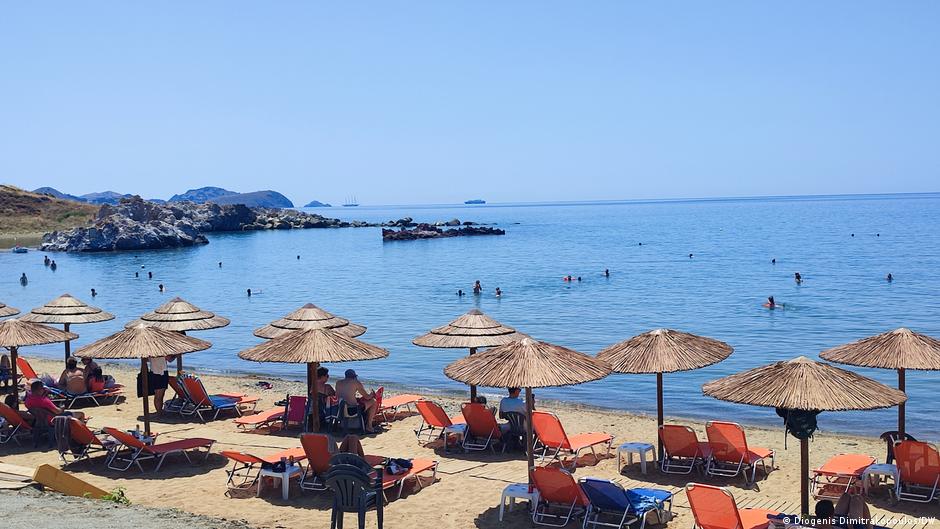
Greece has dramatically increased its refusal rate for Schengen visas issued to Russian citizens, complicating travel plans and financial transactions related to tourism. According to recent reports, some Russian tour operators are experiencing visa denial rates up to 50%, while independent travelers face rejection rates approaching 70% during peak season.
Implications for Travel Industry and Digital Payment Systems
The surge in visa refusals comes amid tighter European Union regulations aimed at mitigating security risks linked to the ongoing conflict in Ukraine. The European Commission's November 2025 ban on multiple-entry visas for Russians has forced more frequent visa applications, disrupting travel patterns and financial flows.
For tour operators, this means increased uncertainty and operational challenges. Many travelers with fully paid trips and confirmed accommodations in Greece report visa denials. In one notable case, a Russian applicant with Moscow property ownership and impeccable banking documents was rejected twice, illustrating the stringent scrutiny.
"Direct denials in such volumes have not been observed previously," remarked representatives from a Russian travel agency, highlighting the unprecedented nature of the situation.
Statistical data from 2025 shows Greece issued about 59,000 visas to Russians, with a 41.6% rate of multiple-entry visas prior to the EU’s policy shift. However, refusal rates for Greek visas have climbed to 11.2%, nearly double the Schengen average of 6.4%. Meanwhile, Russian nationals obtained over 620,000 Schengen visas in 2025, a 10% increase from the previous year, though the share of multiple-entry visas plummeted from 57% to 12% within two months after the EU’s tighter visa rules.
The visa policy changes impact not only travel but also the fintech landscape. Increased visa denials translate to fewer cross-border payments for tourism-related services, affecting payment processors, digital banks, and online travel platforms handling bookings and currency exchanges. The need for more frequent visa applications may drive demand for digital identity verification and secure payment solutions adapted to fluctuating travel authorizations.
Around 75% of Russian Schengen visa applications in 2025 targeted France, Italy, and Spain, which issued 68% of all visas to Russians. While Italy and Spain slightly reduced or maintained issuance volumes, France increased its visa grants by nearly 30%, reaching approximately 173,000. These shifts suggest a redistribution of travel flows within Europe, influencing regional fintech ecosystems linked to tourism.
The European Commission cited security risks stemming from the war in Ukraine as the primary reason for the ban on multiple-entry visas to Russians. For travelers, this policy results in more frequent visa processing fees and administrative burdens, stimulating demand for streamlined digital solutions in visa application and payment processing.
As EU countries adjust their visa issuance policies, fintech firms have an opportunity to innovate in providing secure, compliant, and user-friendly platforms facilitating travel-related financial transactions and document handling. The increased complexity of travel authorizations underscores the growing intersection of geopolitics, tourism, and digital financial services.