Russian Strikes Hit Ukrainian Logistics, Warehouses and Power Infrastructure
Attacks on Odesa, Kyiv region and Mykolaiv disrupted delivery facilities, storage sites and electricity supply in several districts.
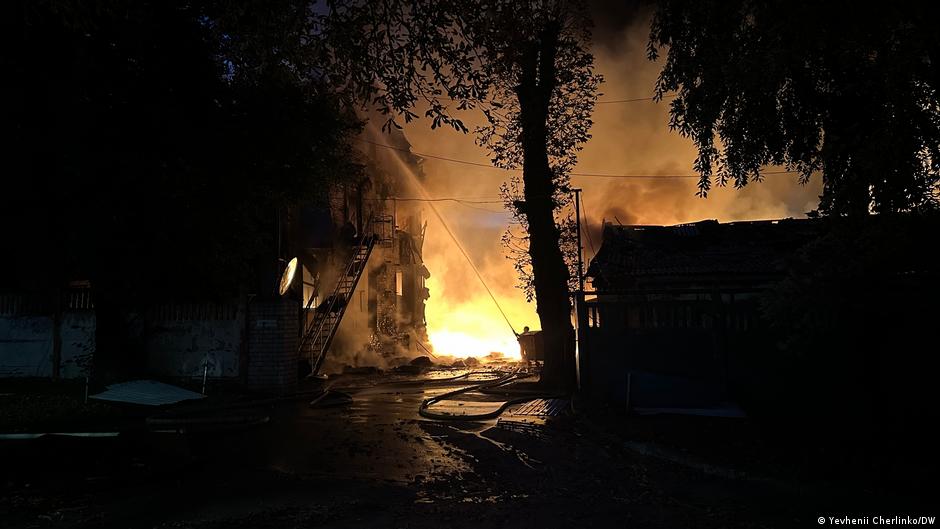
Russian forces attacked Kyiv and Odesa regions, as well as the city of Mykolaiv, on the evening of September 12 and overnight into September 13, according to local authorities. The strikes damaged logistics, residential, warehouse and energy infrastructure, underscoring the continued exposure of Ukraine’s physical networks that support commerce, digital services and local economic activity.
In Odesa region, two people were injured after a drone attack struck a Nova Poshta branch, regional military administration head Oleh Kiper and Ukraine’s State Emergency Service reported. Nova Poshta is one of Ukraine’s key private delivery operators, and its branches form part of the country’s day-to-day commercial infrastructure, moving parcels, goods and business shipments across the country.
“The facade of the building, glazing and a cargo vehicle were damaged,” Kiper said.
The reported damage to a delivery branch and a cargo vehicle highlights how strikes on logistics assets can affect more than transport alone. For merchants, online sellers and payment providers, parcel networks are part of the operational backbone of e-commerce. When a branch is damaged or vehicles are taken out of service, delays can ripple into order fulfillment, customer refunds, card chargebacks and cash-flow timing for small businesses.
Authorities also reported damage in Odesa itself. Serhiy Lysak, head of the city military administration, said a multi-storey residential building was damaged in an attack on the city. It was already the second strike on an apartment building in Odesa within a day, according to the source account.
Logistics and Warehouse Sites Under Pressure
In Kyiv region, the regional military administration said that strikes in the Boryspil district on the evening of September 12 damaged warehouse premises and caused a fire. In the Brovary district, a warehouse and a private house were damaged. No information about deaths or injuries had been reported in connection with those attacks.
Warehouses in the Kyiv region are important nodes for the wider economy because they sit close to the capital, major roads, airports and distribution routes. Even when payment systems, banking apps and online storefronts remain technically available, the physical storage and delivery layer can determine whether digital transactions are completed smoothly. Damage to warehouses can interrupt inventory management, returns processing and merchant settlement cycles, particularly for businesses that rely on fast domestic shipping.
The attacks also triggered air-defense activity around the capital. Kyiv Mayor Vitali Klitschko reported that air-defense systems were operating and urged residents to remain in shelters. The Kyiv regional military administration also reported air alerts in different parts of the region overnight on its Telegram channel.
For the digital economy, repeated air alerts create a less visible but persistent cost. Businesses may pause operations, staff may move to shelters, and service centers can shift to emergency protocols. Banks, payment processors and technology companies operating in affected areas must maintain continuity while employees, customers and infrastructure face recurring security threats.
Mykolaiv Power Outage Adds Digital Risk
In Mykolaiv, an evening attack targeted energy infrastructure, according to regional military administration head Heorhii Reshetylov. Several districts of the regional center were partially left without electricity after the strike, he wrote on Telegram.
“As soon as the security situation allows work to begin, energy workers will start restoring power supply,” the post said.
Reshetylov later wrote that the alert had ended, and then reported that an air alert had resumed. The sequence illustrated the stop-start reality facing repair crews and residents when infrastructure damage is followed by renewed threat warnings.
Power disruptions are especially significant for digital banking, payments and communications. Card terminals, ATMs, mobile networks, branch operations and back-office systems depend on electricity and connectivity. Even short outages can affect consumer spending, merchant acceptance and access to online services. In wartime conditions, backup power and redundant connectivity become central to financial resilience.
Ukraine’s financial and technology sectors have adapted to repeated infrastructure attacks through contingency planning, mobile-first banking, cloud-based services and alternative power arrangements. However, local outages still impose immediate constraints on households and businesses. In partially blacked-out districts, residents may struggle to charge phones, access banking apps or receive transaction confirmations, while merchants may be pushed toward cash or delayed electronic settlement.
The latest attacks did not include reported casualties in Kyiv region, while two injuries were reported in Odesa region after the strike on the Nova Poshta branch. The factual picture from local officials remained focused on damage to buildings, warehouses, a cargo vehicle, a private home, residential property and energy infrastructure.
For investors and technology companies watching Ukraine, the incidents reinforce a core wartime risk: digital systems may be sophisticated and resilient, but they remain connected to power grids, warehouses, delivery fleets and urban infrastructure. The financial impact of each strike is not limited to the immediate repair bill. It can extend into delivery delays, business interruption, weaker consumer activity and higher operating costs for companies that must harden systems against physical and cyber risk at the same time.
The attacks on September 12 and 13 therefore sit at the intersection of security, infrastructure and the digital economy. They affected regions that support commerce and services, damaged logistics and storage facilities, and partially cut electricity in Mykolaiv. For Ukraine’s fintech ecosystem, the episode is another reminder that payment reliability and digital banking access depend not only on software uptime, but also on the resilience of the infrastructure around it.