Drone Attack Reports Put Russian Industrial Infrastructure Risks in Focus
Reported fires at industrial sites in Lipetsk and Tula highlight mounting operational and cybersecurity risks across Russia’s digital economy.
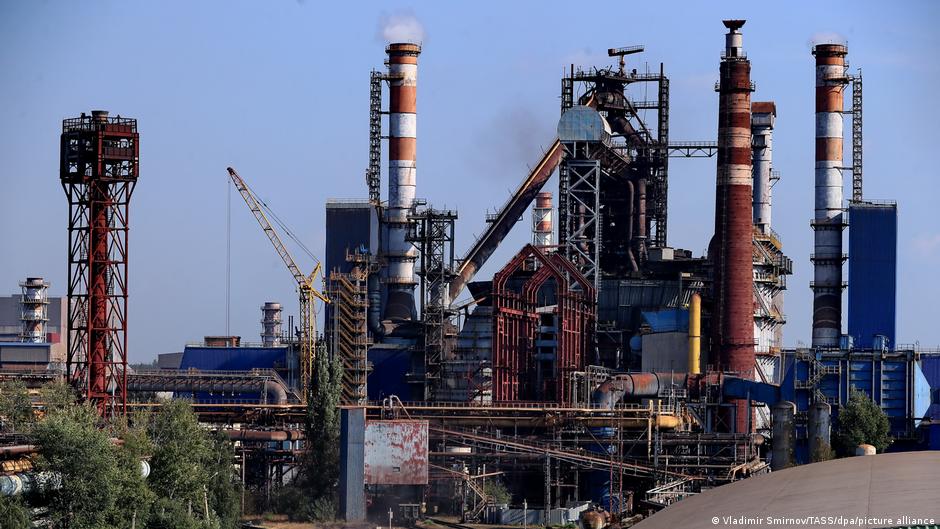
Reports of drone strikes and fires at major industrial facilities in western Russia are drawing attention to the growing operational risks facing the country’s technology-dependent manufacturing economy. Ukrainian monitoring channel Exilenova+ said the Russian city of Lipetsk came under attack by jet-powered drones operated by the Armed Forces of Ukraine overnight on Wednesday, October 28.
According to the channel’s preliminary open-source intelligence assessment, a fire broke out near the Novolipetsk Steel plant, also known as NLMK, during the strikes and amid the operation of local air defenses. The steelworks, one of the most prominent industrial sites in the region, was also targeted in Ukrainian attacks in 2024.
Exilenova+ additionally reported strikes near a military airfield in Lipetsk. It said missile alerts had sounded in several Russian regions and that air defenses over Lipetsk engaged jet-powered targets. The channel cited preliminary information indicating impacts and a fire near the airfield.
“There is preliminary information about impacts and a fire in the area of the airfield,” the monitoring channel said.
Photographs and videos published by Exilenova+ and attributed to witnesses appeared to show air-defense activity. The channel said one video recorded explosions involving 30-millimeter rounds fired by the automatic antiaircraft guns of a Russian Pantsir air-defense system. It claimed that the firing did not produce any hits.
Industrial disruption raises digital-economy exposure
For financial and technology businesses, attacks on large industrial zones matter beyond the immediate physical damage. Steel, chemicals, batteries and defense-related manufacturing rely on digitally managed supply chains, automated production systems, telecommunications and electronic payments. Any interruption can affect corporate liquidity needs, supplier settlements and demand for trade finance, although the reports provided no assessment of production losses or financial damage.
The incidents also underscore the overlap between physical security and cybersecurity. Industrial companies increasingly depend on connected operational technology, while banks and payment providers serving affected regions require resilient communications and power infrastructure. The available reports did not allege a cyberattack, disruption to banking services or interference with payment networks. They nevertheless point to the broader continuity risks confronting digital banks, fintech platforms and other companies operating around strategically important industrial assets.
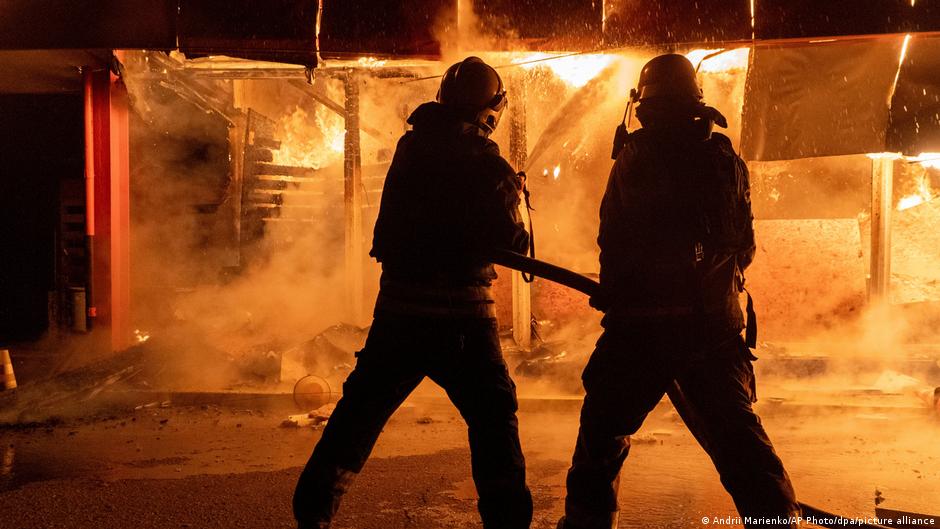
Exilenova+ later cited local residents as reporting an attack and subsequent fire at the Azot chemical plant in Novomoskovsk, in Russia’s Tula region, without providing further details. According to Ukraine’s Foreign Intelligence Service, the facility supplies nitric acid to the Sverdlov plant in Dzerzhinsk, Nizhny Novgorod region, which produces explosives.
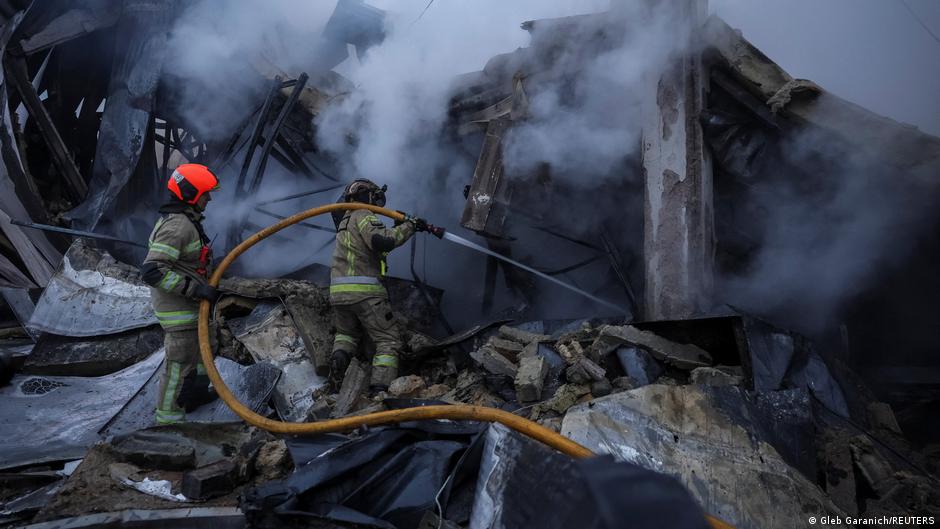
At the time covered by the report, Ukraine’s General Staff, the Ukrainian Defense Ministry and the Lipetsk regional authorities had not commented on the alleged attacks. Tula Governor Dmitry Milyaev said air-defense units were repelling a drone raid over the region. He wrote on Telegram that apartment buildings, private homes and infrastructure in an adjacent industrial zone had sustained damage in Novomoskovsk.
Battery production has also come under attack
The reported events followed another strike on October 25 against what was described as Russia’s largest battery manufacturing plant, located in Yelets in the Lipetsk region. Regional Governor Igor Artamonov did not identify the company or disclose the scale of the damage.
An open-source assessment by Russian outlet Astra identified the target as the Energia plant in Yelets’s industrial zone. The facility produces batteries used in Russian drones, several missile systems and other weapons widely deployed by the Russian military in its war against Ukraine.
Exilenova+ said the plant was attacked with several Storm Shadow missiles. The channel reported at least two impacts across two factory buildings and claimed that one production building suffered extensive destruction. Ukraine’s General Staff confirmed the following day that the facility had been struck and damaged, but it did not identify the weapon used. Before the October 25 strike, the Energia plant had already been targeted five times by Ukrainian forces.
Battery manufacturing occupies a critical position in both military supply chains and the wider technology economy. Repeated attacks on production capacity can increase uncertainty for electronics suppliers and logistics providers, though no evidence was presented of shortages affecting civilian devices, digital-banking hardware or data-center equipment.
The reports may also sharpen investor scrutiny of Russian industrial and technology-linked companies, particularly those with concentrated production sites or defense exposure. No information was provided about share-price movements, cryptocurrency activity or direct effects on Russian financial institutions. The immediate fintech relevance therefore lies in operational resilience: maintaining payments, financing supply chains and protecting digital infrastructure when physical assets and regional utilities face heightened risk.