Zaporizhstal Damage Deemed Critical After Third Russian Missile Strike
The Ukrainian steelmaker, a major industrial employer and taxpayer, has remained fully halted since an initial attack on August 11.
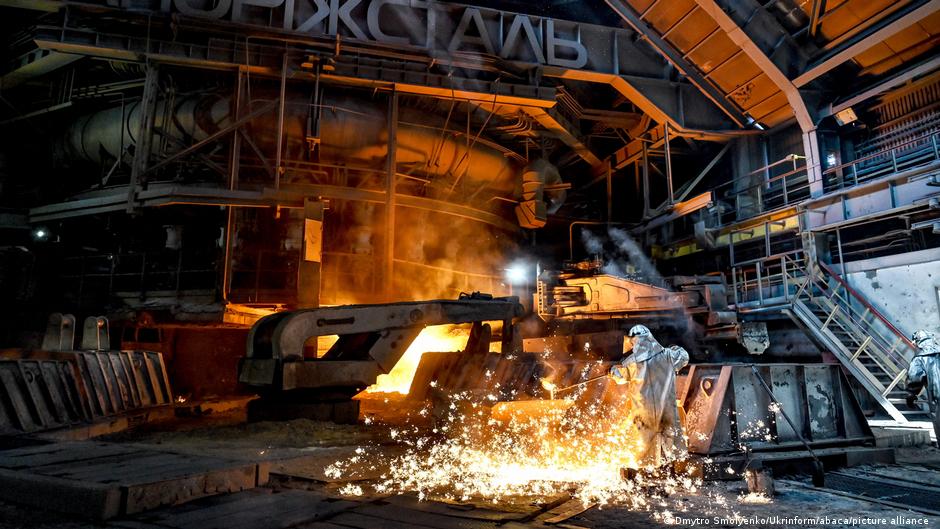
Preliminary assessments indicate that damage to Zaporizhstal, one of Ukraine’s largest steel plants, is critical after a third Russian missile strike on the enterprise in a month. The metallurgical complex, located in the Ukrainian city of Zaporizhzhia, had already fully stopped operations following the first major attack on August 11.
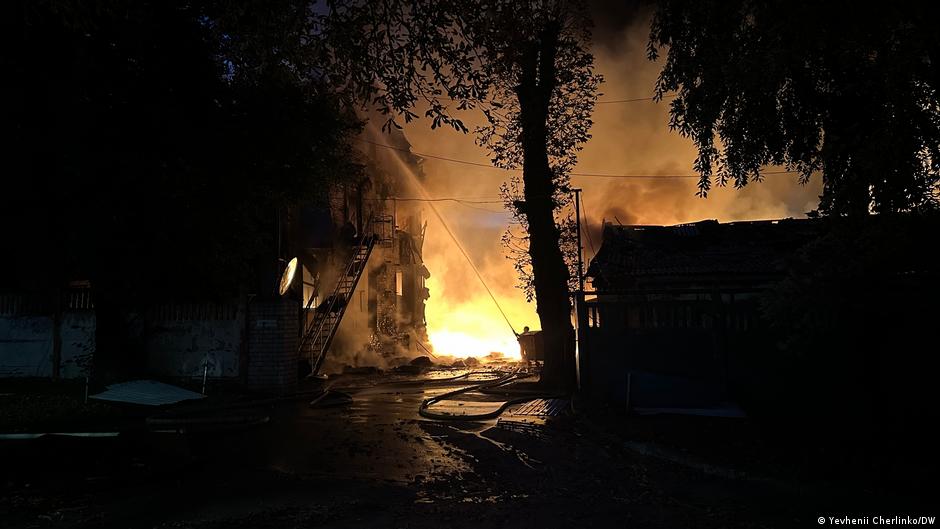
The latest strike took place overnight into Saturday, September 12, when ballistic missiles hit the production site. According to a company press release issued the same day, four missiles struck the plant’s industrial area. Although Zaporizhstal had completely halted work after earlier attacks on August 11 and August 27, at least four employees were on site during the September strike and were injured. Three of them required hospitalization.
The company said equipment in the blast furnace and open-hearth shops was damaged, along with the plant’s power system and logistics infrastructure. The scale of the destruction is still being assessed as emergency and technical teams continue work at the site.
“The scale of destruction grows with every strike. It is not yet possible to make a final assessment, but preliminarily we classify the damage as critical,” said Oleksandr Myronenko, chief operating officer of Metinvest Group, which includes Zaporizhstal.
Industrial Shutdown With Digital-Economy Consequences
For FinPulse readers, the damage matters beyond heavy industry. Zaporizhstal is not only a major steel producer; it is also a large employer, taxpayer and node in Ukraine’s industrial payments chain. A prolonged stoppage affects payroll flows, procurement contracts, logistics settlements, tax receipts and banking activity connected to suppliers, workers and regional service providers.
The plant’s energy system and logistics infrastructure were among the assets damaged in the latest strike. Those systems are central to any large industrial enterprise’s ability to move goods, coordinate deliveries, maintain settlement cycles and support the digital tools used for operational planning. The company has not provided a timetable for restoring production, and after the previous August strike Myronenko said production restart dates existed only “in theory” because workers had barely cleared rubble from the previous impact before another attack occurred.
The first major missile attack on Zaporizhstal occurred overnight on August 11. Eight employees were killed and 26 others were wounded. The resulting equipment damage was severe enough for the metallurgical complex to stop operations completely, while other production sites began working “at reduced capacity.”
A second major strike hit the enterprise on August 27. According to Zaporizhstal, five missiles struck the plant. No one was killed or injured in that attack, but the blast furnace shop, energy and transport infrastructure, and open areas of the enterprise were damaged. The September 12 strike therefore adds to a sequence of disruptions that has already interrupted one of Ukraine’s most significant industrial facilities.
Steel Output, Tax Base and Market Signals
Zaporizhstal’s weight in Ukraine’s steel sector is substantial. According to the company, the plant produced almost 3.568 million tonnes of pig iron and 3.212 million tonnes of steel in 2025. In the same year, Ukrainian enterprises as a whole produced 7.884 million tonnes of pig iron and 7.409 million tonnes of steel, according to calculations by the industry association Ukrmetallurgprom.
That means the Zaporizhzhia enterprise accounted for more than 45% of all pig iron produced in the country and more than 42% of all Ukrainian steel. The plant’s shutdown is therefore a material industrial event, with potential implications for counterparties that depend on steel output, freight movement, energy consumption and associated payment flows. The source information does not provide market-price data or listed-equity impacts, but the operational scale alone makes the damage relevant to investors tracking Ukraine-linked industrial exposure, infrastructure risk and wartime supply-chain resilience.
The company’s fiscal role is also significant. In May 2026, Zaporizhstal topped the list of the largest employers in the Zaporizhzhia region, according to the company’s press service, which cited an annual ranking by Opendatabot, a service that provides access to Ukrainian state data on individuals and legal entities. At that time, the enterprise employed more than 8,000 people.
For digital banking and payments, a workforce of that size represents recurring salary payments, card activity, consumer spending and household financial obligations tied to the plant’s operating status. Any prolonged interruption can therefore ripple through local financial behavior, from payroll banking to merchant revenues, although the company has not announced specific changes to employment or wage payments in the information provided.
Zaporizhstal also paid almost 2.7 billion hryvnias, or 52.34 million euros, in taxes to budgets at all levels in 2025. That tax contribution connects the plant’s physical production capacity with public finance, where digital tax administration, treasury flows and state budget planning depend on large enterprises remaining operational.
Cybersecurity and Infrastructure Risk Context
The reported damage was caused by missile strikes, not by a cyberattack. Still, the incident illustrates why cybersecurity and operational resilience increasingly overlap for industrial companies and the financial institutions serving them. When power systems, logistics assets and production equipment are damaged, enterprises must maintain communications, employee coordination, payment continuity and data integrity while physical recovery is underway.
Zaporizhstal said liquidation of the consequences of the strike and examination of damaged facilities are continuing in order to clarify the nature and scale of destruction. For banks, insurers, technology vendors and market analysts, that assessment will shape how they evaluate the plant’s restart prospects, contractual obligations and broader exposure to wartime infrastructure risk.
The immediate confirmed facts remain stark: three major attacks in one month; a full operational halt since August 11; eight workers killed in the first strike; injuries in the latest strike; critical preliminary damage after four missiles hit the production site on September 12; and substantial damage to production, energy and logistics systems. For Ukraine’s industrial economy, and for the financial and digital systems that sit around it, Zaporizhstal’s condition is now a closely watched point of stress.