Closure of Azov-Don Canal Disrupts Russia's Grain Export and Shipping Logistics
Russia halts vessel passage through Azov-Don Canal following Ukrainian drone strikes on cargo ships in the Azov Sea.
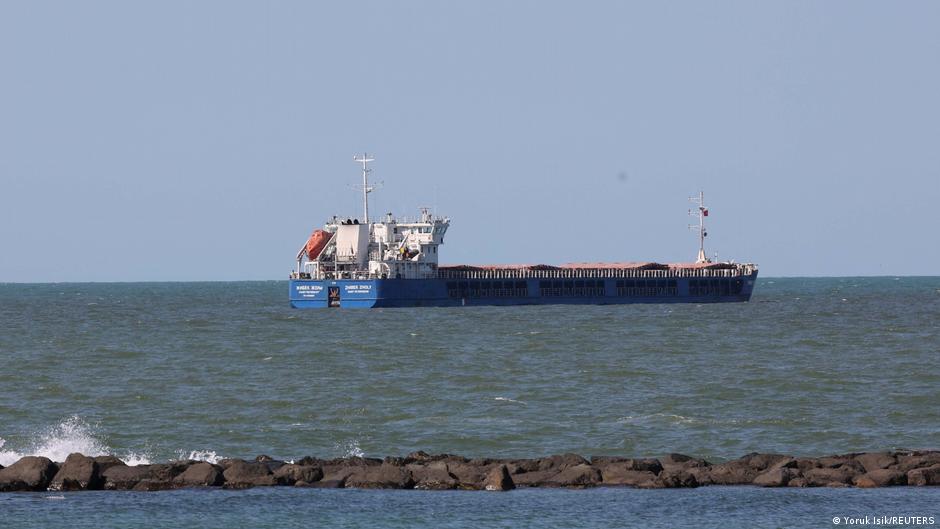
Russia has indefinitely closed the Azov-Don Sea Canal, a crucial maritime artery connecting the Don River and the Azov Sea, after a series of drone attacks targeted cargo vessels in the region. The suspension, announced by the Russian Border Service under the Federal Security Service (FSB), marks a significant disruption to Russia's shipping and export logistics, particularly impacting grain transportation through the Azov-Black Sea basin.
Impact of Drone Attacks on Shipping and Grain Exports
The closure followed extensive attacks by Ukrainian unmanned aerial vehicles (UAVs) on at least 25 vessels in the Azov Sea, including oil tankers and dry cargo ships. According to Ukrainian military sources, many of the targeted tankers are part of Russia’s "shadow fleet," which operates under international sanctions related to the ongoing conflict. The attacks intensified security concerns, prompting Russia to halt ship movements through the canal and reportedly also through the Kerch Strait, the channel linking the Black and Azov Seas.
"The suspension of vessel passage through critical waterways reflects heightened security risks and poses challenges to the maritime supply chain in the region," said an industry expert familiar with the developments.
The Russian authorities have not clarified the duration or specific reasons behind the shipping restrictions. Regional Russian officials have confirmed drone strike incidents causing minor damage to some vessels but have not provided detailed assessments of overall operational impact.
Consequences for the Digital Economy and Fintech Sectors
The suspension of the Azov-Don Canal threatens to disrupt grain exports from Russia's key agricultural regions, including Rostov and Krasnodar, which rely heavily on maritime routes for international shipments. This disruption has already triggered a rapid price surge in global wheat markets, with futures on Euronext spiking over 4% within a single day, reaching a six-week high.
For the fintech and digital economy sectors, this situation underscores vulnerabilities in supply chain financing and digital payments linked to commodity trade. Delays and uncertainty in shipping logistics can affect payment settlements, increase risk exposure for trade finance platforms, and amplify volatility in commodity-backed digital assets and tokenized securities.
Moreover, heightened geopolitical risks and military activity in critical trade corridors increase cybersecurity concerns for digital banking and payment infrastructure operators working with maritime and export industries. Financial institutions and tech firms must enhance monitoring and risk mitigation strategies to safeguard digital transactions amid escalating tensions.
As Russia's grain export routes face disruptions, digital trade platforms and blockchain-based supply chain solutions may become pivotal in providing transparency and resilience by tracking cargo status and facilitating secure payment flows despite physical route blockages.
Outlook and Market Implications
Ongoing instability in the Azov Sea region poses challenges not only for physical shipping but also for the broader digital financial ecosystem supporting global commodity trade. Investors in technology stocks linked to logistics, cybersecurity, and fintech may see increased market sensitivity to developments affecting trade routes.
In response to the canal closure and drone attacks, stakeholders must adapt by integrating enhanced digital monitoring and payment solutions to mitigate supply chain disruptions and maintain transactional integrity.