EU Launches First Negotiation Cluster on Ukraine and Moldova Membership, Boosting Digital Economy Prospects
The EU initiates formal talks on accession conditions for Ukraine and Moldova, marking a significant step towards integration and potential fintech collaboration.
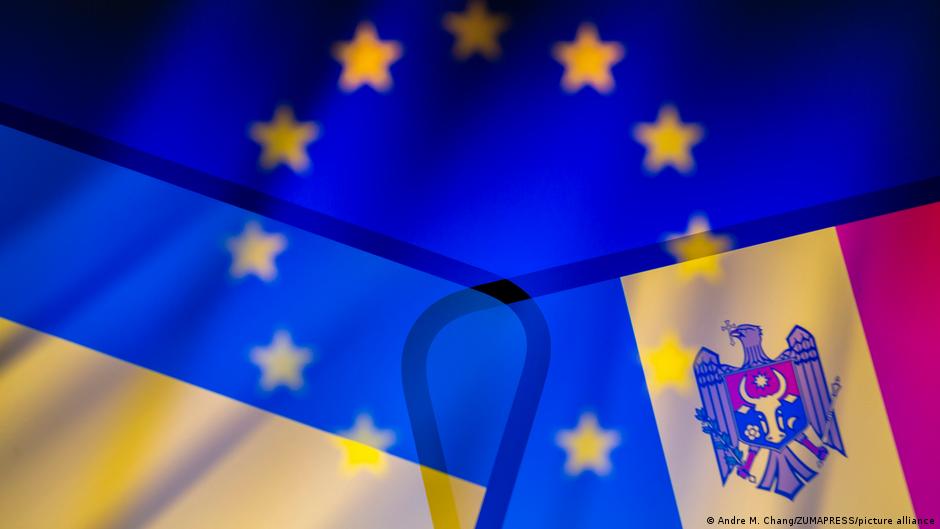
The European Union has officially launched the first negotiation cluster focused on the accession of Ukraine and Moldova, signaling a shift from preliminary preparations to detailed discussions on membership conditions. This development marks a crucial milestone in the integration process of these two Eastern European nations into the EU framework.
On Monday, June 15, in Luxembourg, foreign ministers from EU member states inaugurated the initial cluster dedicated to accession talks with Ukraine and Moldova. The Republic of Cyprus, currently presiding over the Council of the European Union, confirmed the launch, highlighting its importance for the region's future.
"We have all long awaited this day, and today we can finally celebrate," said Marilena Raouna, Cyprus’s Deputy Minister for European Affairs. "The future of Ukraine and its citizens is firmly linked to the European Union."
Implications for Digital Economy and Fintech Sectors
The accession negotiations are structured around six key thematic clusters, covering a broad spectrum of legislation and policy areas. The EU assesses candidate countries' readiness to adopt its regulations and standards. The initiation of the first cluster indicates the commencement of rigorous evaluations of Ukraine and Moldova’s national laws against EU norms and the implementation of necessary reforms.
For the fintech and digital economy sectors, this development could have significant repercussions. Aligning with EU standards means enhancing regulatory frameworks governing digital banking, payments, cybersecurity, and cryptocurrencies. Both Ukraine and Moldova have burgeoning digital ecosystems that stand to benefit from harmonization with the EU’s advanced legal and technological landscape.
Integration into the EU market would facilitate greater cross-border digital financial services, streamline payments, and foster innovation in blockchain and crypto assets within a secure regulatory environment. Additionally, it may attract increased foreign investment into tech startups and digital infrastructure, contributing to the growth of tech stocks related to financial technology in these countries.
Moreover, cybersecurity protocols aligned with EU directives will strengthen defenses against cyber threats, an essential factor for maintaining trust in digital financial services.
While the accession process remains complex and multifaceted, the launch of this negotiation cluster underscores the EU’s commitment to expanding its digital single market and integrating new members who can contribute to and benefit from this ecosystem.
As Ukraine and Moldova progress through these talks, stakeholders in fintech and digital economy sectors should closely monitor regulatory developments, as they will shape the investment and innovation landscape in Eastern Europe.