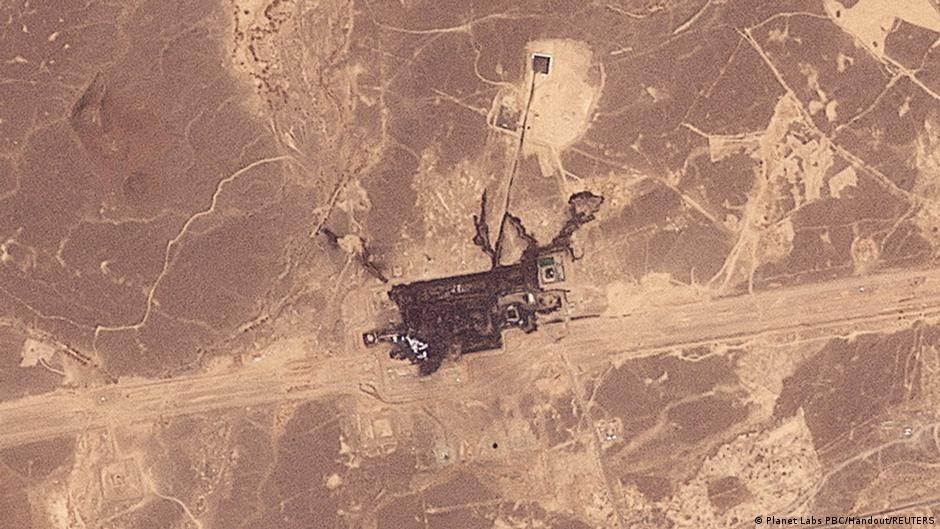
North Korean Ballistic Missile Used in Russian Attack on Ukraine, Raising Security Concerns
Ukraine reports Russia’s deployment of North Korean missile technology, urging allies for enhanced air defense support.
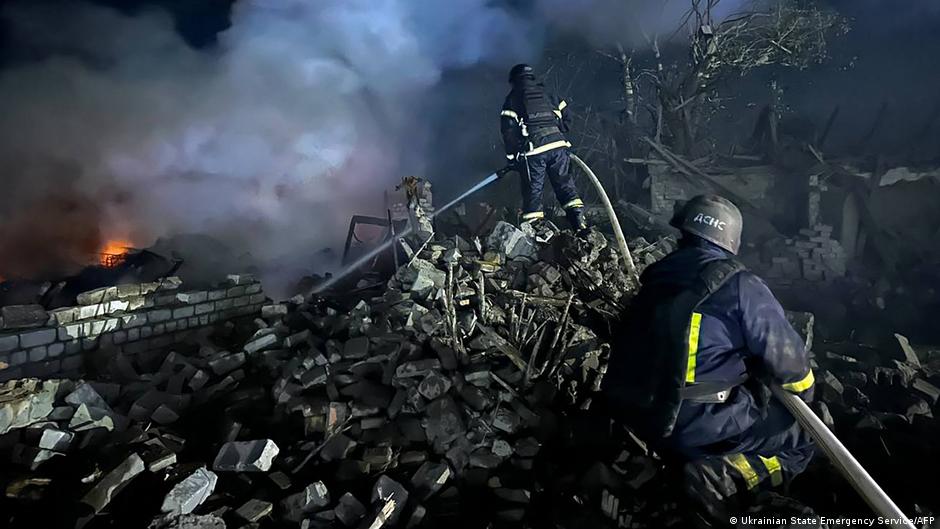
In a recent escalation of the conflict in Ukraine, President Volodymyr Zelensky revealed that Russian forces used a ballistic missile sourced from North Korea in an attack near Kryvyi Rih. This marks the first time in a significant period that Russia has reportedly deployed North Korean missile technology in its military operations.
Implications for Regional Security and Digital Defense
The missile strike targeted the village of Radushne in the Dnipropetrovsk region, tragically killing a family of six, including three children aged six, eleven, and seventeen. Zelensky emphasized that while forensic analyses are ongoing, preliminary assessments confirm the missile's North Korean origin.
"At the moment, this is North Korean ballistics," Zelensky stated, underlining the gravity of the attack.
The incident raises critical questions for the international community, especially concerning digital economy and cybersecurity domains. The collaboration between Moscow and Pyongyang, including the 2024 agreement on comprehensive strategic partnership, suggests a transfer of advanced military technologies. This transfer not only impacts physical security but also the security of digital financial infrastructures, which increasingly rely on secure, resilient technologies to withstand conflict-induced disruptions.
Ukraine has appealed to its allies for more than verbal condemnation, calling for the provision of advanced missile defense systems. Enhanced air defense capabilities are crucial for protecting critical infrastructure, including digital networks that support fintech operations and online banking services.
Moreover, the reported cooperation between Russia and North Korea extends beyond missile technology to include potential military personnel support, with claims that Russia seeks an influx of 30,000 North Korean fighters. Such developments underscore the strategic risks to regional stability, which in turn affect the digital economy and investor confidence in tech stocks linked to cybersecurity and defense sectors.
As geopolitical tensions rise, the fintech industry must prepare for potential disruptions in payments and digital banking services due to increased cyber threats and physical attacks on infrastructure. Strengthening cybersecurity protocols and investing in resilient digital systems will be imperative to safeguard economic activity amid such conflicts.
Ukraine’s situation serves as a stark reminder of how military escalations and international arms cooperation can ripple into the digital economy, influencing everything from payment system integrity to the global market for technology stocks focused on defense and cybersecurity innovations.