UK, Dutch Aid Packages Put Ukraine’s Digital Economy in Focus
New British and Dutch commitments combine military support with financing for energy, industry and private-sector reconstruction.
Britain and the Netherlands have announced substantial new assistance for Ukraine, combining urgent military support with financing mechanisms that could also affect the country’s digital economy, technology sector and reconstruction investment.
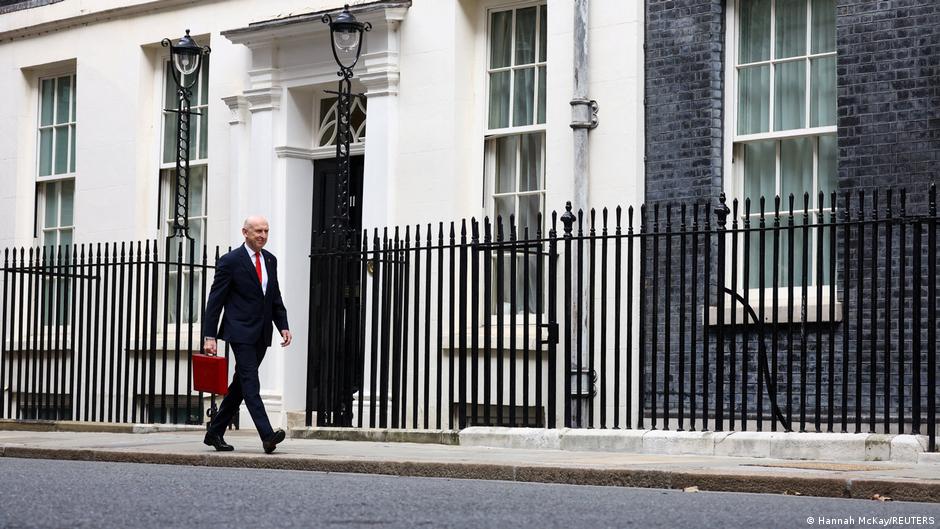
London will provide an additional £10 billion, equivalent to about €12 billion, to Ukraine as it defends itself against Russian aggression, British Finance Minister John Healey told the House of Commons. The package includes loans, export finance guarantees and £500 million in emergency military assistance for the coming winter.
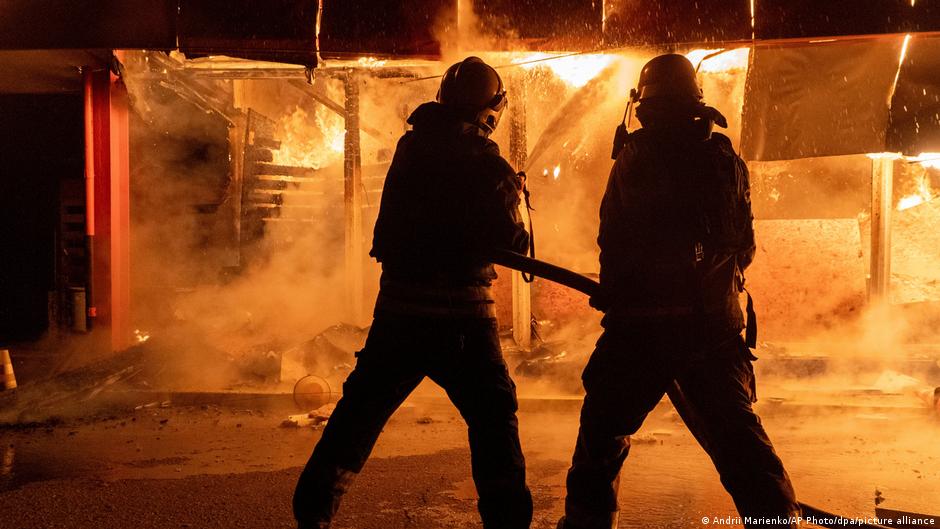
A British government spokesperson cited by Reuters said the £500 million allocation should address gaps in Ukraine’s air defenses that require urgent attention. Protecting power supplies, communications networks and other critical infrastructure is essential to the continued operation of digital banking, electronic payments and technology businesses, although the British announcement did not specify funding for those sectors.
Healey said he and British Prime Minister Andy Burnham spoke with Ukrainian President Volodymyr Zelensky before the parliamentary announcement. According to Healey, Zelensky responded to news of the additional £10 billion by saying: “You made my day.”
“Every step to strengthen Ukraine brings Russia closer to understanding that it must end this war,” Zelensky said.
In a Telegram statement issued the same day, Zelensky described the new British financial and military assistance as a “really powerful and timely step.” He said Moscow must see and feel that Ukraine would not be left alone with problems that Russia was seeking to expand.
Guarantees could support reconstruction capital
The use of loans and export finance guarantees gives the British package a broader financial dimension than a direct budget transfer alone. Such guarantees can reduce risks associated with cross-border trade and projects, helping businesses and lenders participate in reconstruction under wartime conditions. The announcement did not provide details on eligible companies, financial institutions, payment providers or technology projects.
Zelensky said sanctions policy was another subject discussed with Burnham. He added that Britain would continue to take a principled position on sanctions, calling it an important example for the world. For banks, payment companies and cryptocurrency platforms operating across borders, changes in sanctions policy can increase the importance of transaction screening, customer verification and controls against prohibited transfers.
Russia’s Foreign Ministry said on October 27 that, in response to what it called London’s hostile anti-Russian course, Russia was adding seven representatives of British defense plants to its stop list.
Dutch funding targets drones, energy and industry
Separately, Dutch Prime Minister Rob Jetten announced €500 million in military assistance for Ukraine for the coming winter after meeting Zelensky in The Hague on October 28. Reuters reported that the funding is intended for drones and other materials required to strengthen Ukrainian defenses.
The Dutch government will also allocate €1.2 billion in nonmilitary assistance over the next three years. Of that amount, €380 million is designated for reconstruction in 2027, followed by €410 million in each of 2028 and 2029.
Part of the funding is expected to go to funds that help Dutch companies invest in Ukraine’s reconstruction. The remaining resources will support urgent repairs to Ukrainian energy infrastructure and purchases of machine tools for industry. Energy repairs have direct relevance for the resilience of data centers, telecommunications, card-processing systems and online financial services, all of which depend on reliable electricity and connectivity.
The investment funds may also provide a channel for private-sector participation, including companies supplying industrial technology and software. However, the announcement did not identify individual recipients or establish a specific allocation for fintech, digital banking, cybersecurity or crypto-related infrastructure.
Software companies join defense discussions
Zelensky also wrote on X on October 28 that he and Jetten had met Ukrainian and Dutch companies working in defense, energy and software. Following the meeting, the two sides instructed their teams to develop a special air-defense project named Bliksem.
The inclusion of software companies highlights the increasing overlap between Ukraine’s defense requirements and its technology economy. Drone systems, air-defense coordination and energy resilience all rely on software and secure digital infrastructure. That makes cybersecurity a significant operational consideration even though no separate cyber funding was disclosed in either package.
For technology investors, the announcements point to potential demand in defense software, energy systems, industrial equipment and reconstruction services. They do not, however, provide enough detail to estimate effects on listed technology stocks or specific payment and crypto companies. The clearest financial signal is the combination of public aid, export guarantees and investment support intended to keep essential systems operating during winter while preparing for longer-term rebuilding.