European Leaders Endorse US-Iran Deal, Stress Impact on Regional Stability and Global Economy
France, Germany, UK, and Italy back the US-Iran agreement, emphasizing swift implementation and nuclear non-proliferation to stabilize fuel markets and security.
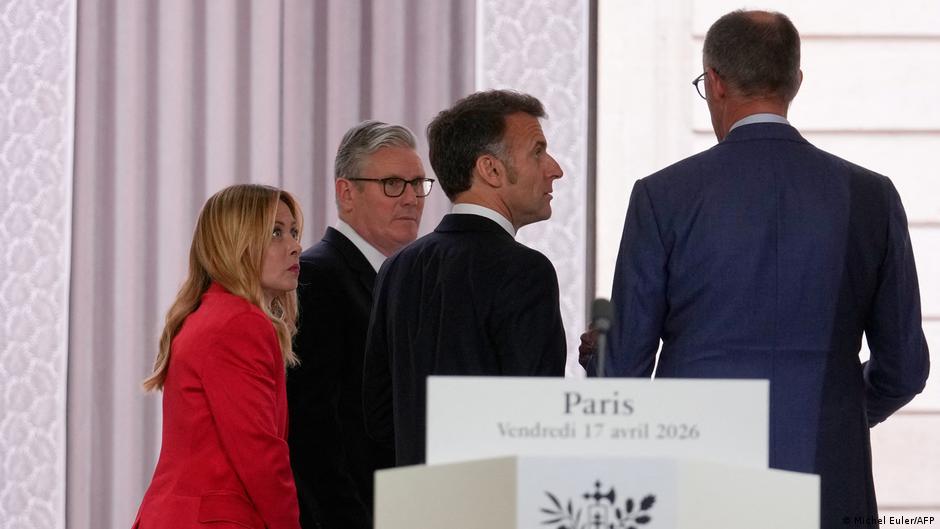
Leaders of France, Germany, the United Kingdom, and Italy have welcomed the upcoming signing of a peace agreement between the United States and Iran, scheduled for June 19. The deal is seen as a pivotal step toward ending regional conflict and restoring stability to global markets.
In a joint statement released on June 15, the heads of state and government expressed optimism that the agreement would open "opportunities for restoring regional stability and stabilizing the global economy." They congratulated all negotiation participants on the diplomatic breakthrough but underscored the importance of rapid and comprehensive implementation of the accord.
Implications for Global Fuel Supply and Economic Stability
A key element highlighted in the statement was the urgent restoration of navigation through the Strait of Hormuz, a crucial maritime corridor for global fuel shipments. The leaders emphasized their readiness to support efforts, including participating in demining operations, to ensure the free flow of energy resources critical to world markets.
"Iran must never acquire nuclear weapons under any circumstances. We stand ready to work with the US, Iran, and the IAEA to achieve this goal," the European leaders asserted.
British Prime Minister Keir Starmer emphasized in his separate statement that freedom of navigation in the Strait must be reinstated "without any charges," noting this would alleviate the economic fallout from the ongoing US-Israel-Iran tensions that have impacted global markets.
French President Emmanuel Macron expressed concerns regarding Iran's nuclear and ballistic missile programs, aligning with the collective European stance. The leaders reaffirmed their commitment to preventing Iran's acquisition of nuclear arms, stating their willingness to lift sanctions contingent on verifiable, transparent steps Iran takes to curb its nuclear activities.
The deal's successful execution is anticipated to have far-reaching effects on geopolitical stability and energy security. For the fintech and digital economy sectors, stability in fuel markets can mitigate volatility affecting energy-dependent infrastructures and cross-border payments. Furthermore, improved diplomatic relations could influence cybersecurity collaborations and the regulatory landscape for digital banking and crypto assets, especially considering sanctions compliance and international financial flows linked to the region.
Market analysts are closely monitoring how this diplomatic development might affect technology stocks, particularly firms engaged in energy trading platforms, blockchain-based payment solutions, and cybersecurity firms working to secure global financial transactions amid geopolitical tensions.
Overall, the US-Iran agreement marks a significant milestone with potential ripple effects across various sectors of the digital economy, emphasizing the interconnectedness of geopolitical events and global fintech markets.