Drone Attacks Ignite Fires at Oil Storage Facilities in Russia's Rostov and Saratov Regions
Recent drone strikes have targeted oil infrastructure in Russia, raising concerns over supply chain security and regional economic stability.
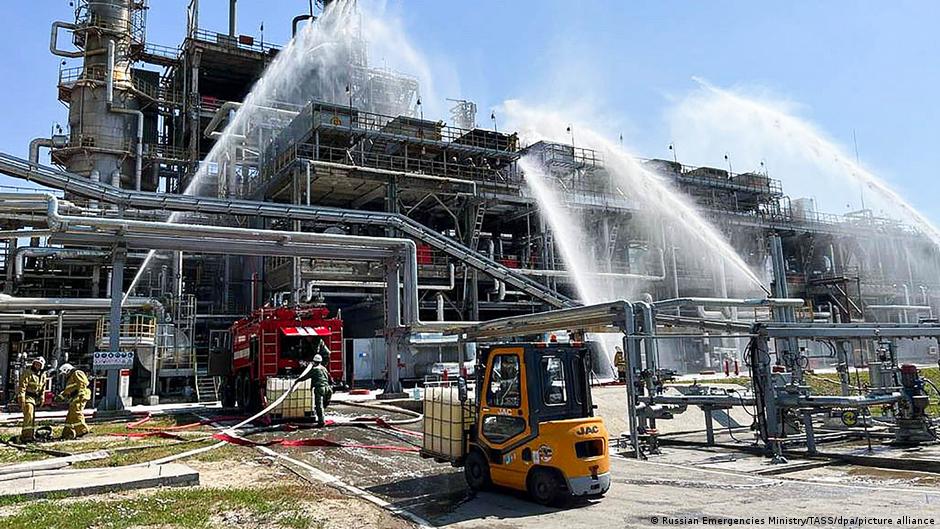
In the early hours of May 31, drone attacks in Russia's Rostov and Saratov regions caused significant fires at critical oil storage and refining facilities, highlighting vulnerabilities in energy infrastructure that could have broader economic implications.
Impact on Oil Infrastructure and Regional Economy
In Rostov Region, a drone strike resulted in a fire at a private fuel storage facility servicing agricultural producers near Matveev-Kurgan. Regional Governor Yuri Slyusar reported the incident in his Telegram channel, noting that debris from the drones caused the blaze. Authorities evacuated nearby private residences as a precaution, but no casualties were reported. Emergency services, including a fire train, quickly responded to contain the fire.
The attack also damaged a pharmacy, two stores, and a vehicle in Matveev-Kurgan, though no injuries occurred. Local sources described an "oil rain" phenomenon following the strike, indicating significant fuel leakage.
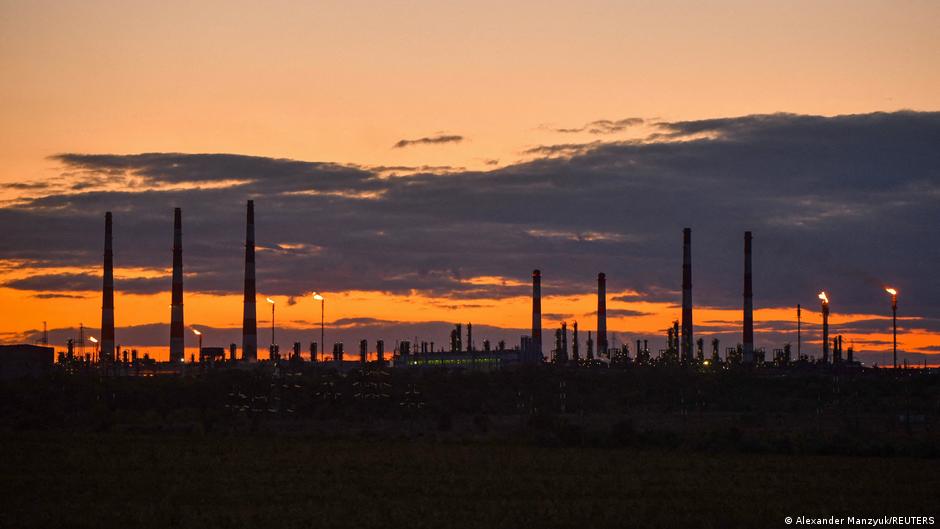
Simultaneously, Saratov Region's Governor Roman Busargin confirmed damage to civil infrastructure from a similar nighttime drone attack. While details remain undisclosed, open-source intelligence (OSINT) channels identified the target as the Saratov Oil Refinery, a facility previously targeted in past assaults.
Multiple videos and photographs circulating on social media platforms depict large fires at the refinery, emphasizing the scale of the damage. The refinery is a critical node in Russia's oil supply chain, and repeated attacks on it raise concerns about the resilience of regional energy assets.
"The continued drone strikes on vital oil infrastructure not only jeopardize energy supply but also threaten regional economic stability and investor confidence," said a regional security analyst.
Implications for Digital Economy and Fintech
The attacks underscore growing cybersecurity and physical security challenges faced by energy sector players amidst geopolitical tensions. Disruptions to oil production and storage could lead to fluctuations in energy prices, influencing markets and fintech platforms that specialize in commodities trading and risk management.
Moreover, the increasing use of unmanned aerial vehicles (UAVs) in asymmetric attacks calls for enhanced defense mechanisms encompassing both digital surveillance and physical security. Fintech companies developing insurance products and digital payment solutions linked to energy sector transactions may need to reassess risk profiles.
For digital banking and crypto platforms, heightened instability in energy markets often leads to increased volatility. Investors might seek alternative assets or blockchain-based commodities exchanges, amplifying demand for secure and transparent trading environments.
These events also highlight the importance of integrating real-time data analytics and cybersecurity protocols in managing critical infrastructure. As attacks evolve in sophistication, the digital economy must adapt to safeguard assets and ensure operational continuity.