US Court Blocks Trump-Era $100,000 H-1B Visa Fee, Impacting Tech Talent Flows
Federal judge rules Trump administration's $100K H-1B visa fee unlawful, affecting tech companies reliant on foreign talent.
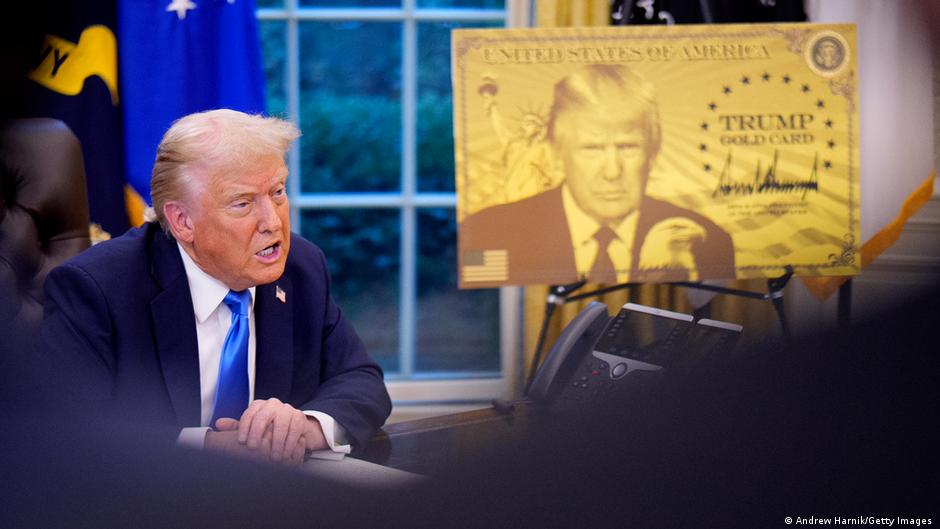
A US federal judge has struck down the $100,000 fee imposed on H-1B visa applications by the Trump administration, a move with significant implications for technology firms and the broader digital economy.
Judicial Reversal on H-1B Visa Fee
On June 8, Federal District Judge Leo Sorokin ruled that the Trump-era policy introducing a $100,000 charge for filing H-1B visa petitions for highly skilled workers was illegal. The fee, implemented in September 2025, was deemed an overreach of executive authority and effectively an unlawful tax.
Judge Sorokin's decision follows a lawsuit filed by 20 US states challenging the fee on the grounds that the president lacked statutory power to impose such a tax on visa filings. The ruling explicitly stated, "The president did not have the authority or delegated power to impose a tax on H-1B visa applications." This overturns a previous federal ruling that had upheld the fee, which is currently under appeal.
The H-1B visa program is pivotal for technology companies seeking to hire specialized foreign workers, with nearly three-quarters of approved applicants originating from India. Prior to the fee increase, the application cost was under $5,000.
"This ruling removes an undue financial barrier on tech companies relying on global talent," said industry observers, emphasizing the importance of accessible H-1B visas for innovation and competitiveness.
The Trump administration had introduced the fee as part of its broader anti-immigration stance, asserting that foreign workers should not displace American employees. The steep fee hike was intended to discourage employers from hiring foreign talent and protect domestic labor markets.
Implications for Fintech and the Digital Economy
The decision to invalidate the $100,000 visa fee has significant repercussions for the fintech sector and digital economy, where access to specialized tech talent is critical. Many fintech firms depend on H-1B workers for roles in software development, cybersecurity, blockchain technology, and data science.
By removing this financial hurdle, the ruling may ease recruitment challenges and lower operational costs for digital startups and established technology companies alike. This could foster innovation in areas such as digital payments, cryptocurrency platforms, and cybersecurity solutions, all of which rely heavily on skilled technical professionals.
Moreover, the ruling may positively influence tech stocks that were impacted by concerns over tighter immigration policies and talent acquisition hurdles. Investors often monitor visa regulation changes closely as they affect the growth prospects of technology companies.
In sum, the court's decision restores more accessible pathways for highly skilled foreign workers, which is crucial for maintaining the United States' competitive edge in global technology and fintech sectors.