US to Revive Iraq-Syria Oil Pipeline to Bypass Strait of Hormuz and Weaken Iran's Influence
Washington pushes for restoration of a strategic oil pipeline from Iraq to Syria, aiming to diversify energy routes and reduce Iran's regional leverage.
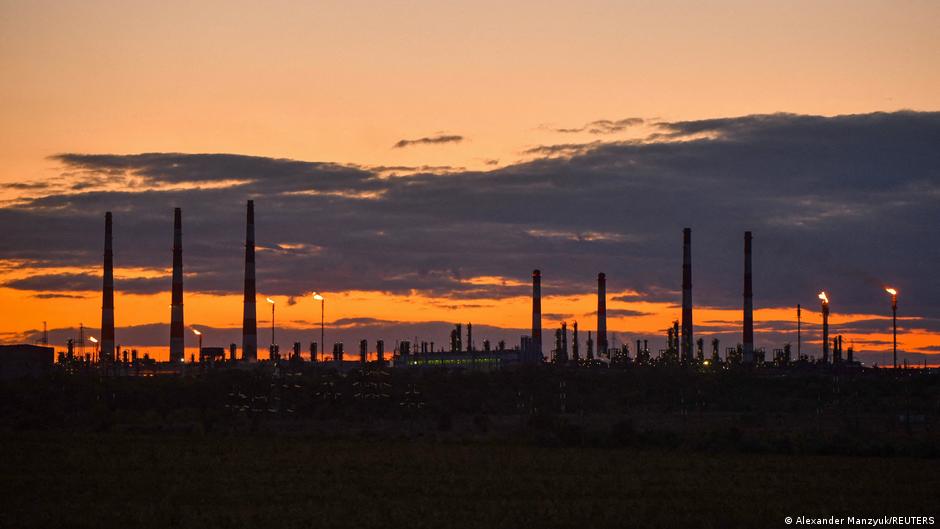
The United States is actively negotiating the restoration of a long-dormant oil pipeline running from Iraq’s Kirkuk region to Syria’s Banias port on the Mediterranean coast, aiming to bypass the Strait of Hormuz and mitigate Iran’s leverage over global energy supplies.
Strategic Shift in Energy Transit Routes
According to multiple sources, Thomas Barrack, the US special envoy for Syria and Iraq, has held talks with officials from both countries as well as representatives from major energy firms including Chevron Corporation. The discussions focus on rehabilitating the pipeline that has been out of operation for over two decades, as well as exploring alternative routes for new pipelines in the region.
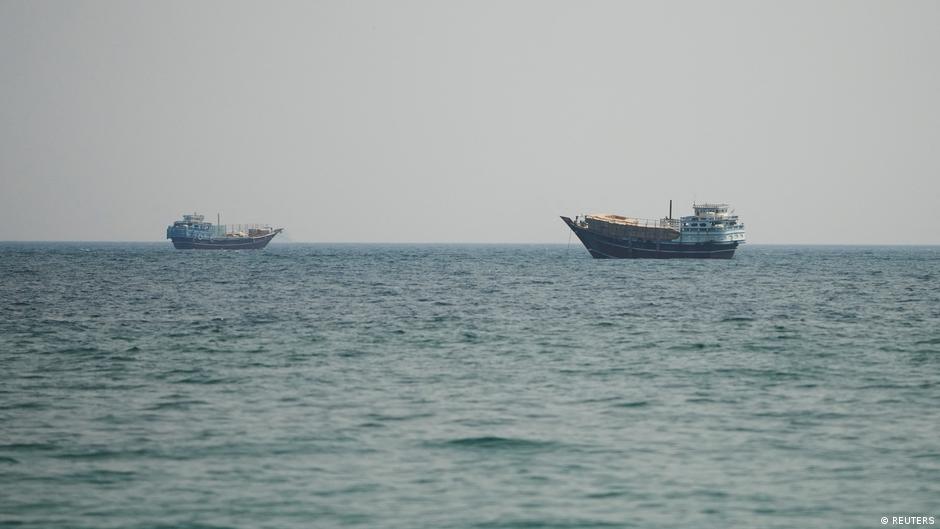
The project is seen by Washington as a critical move to diversify global oil transit infrastructure, thereby reducing dependence on the Strait of Hormuz, a strategically vital chokepoint frequently targeted amid heightened Middle Eastern tensions.
"The initiative highlights the US strategy to create alternative energy corridors that consolidate Iraq and Syria as key export hubs, while diminishing Iran’s ability to disrupt regional oil flows," a source familiar with the negotiations commented.
The US Department of State has confirmed expectations that American companies will play an active role in rebuilding the pipeline, signaling a potential increase in US corporate involvement in Middle Eastern energy infrastructure.
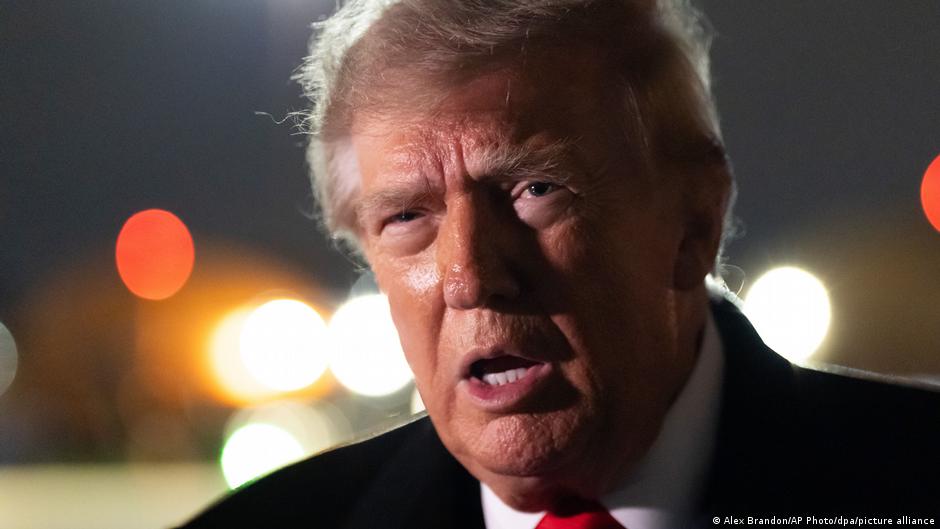
President Donald Trump, in a meeting with Iraqi Prime Minister Ali al-Zaydi, indicated that major new oil partnerships would be announced imminently, underscoring the administration’s commitment to reshaping regional energy dynamics.
Geopolitical and Security Challenges
While the pipeline rehabilitation offers significant strategic benefits, it also faces substantial challenges. The proposed routes cross through Iraq’s western Anbar province and eastern Syria, areas with ongoing security risks due to the presence of active terrorist cells affiliated with the Islamic State.
Investors and stakeholders in the pipeline project must weigh these risks against the potential payoff, factoring in the fragile post-civil war stabilization efforts in Syria and Iraq.
Moreover, the initiative aligns with recent US policy shifts, including the resumption of naval blockades around the Strait of Hormuz to assert control over a key maritime trade artery. Notably, President Trump reversed a previously announced 20% tariff on maritime goods to instead pursue revenue through enhanced trade agreements with Persian Gulf states.
The involvement of multinational energy companies such as Chevron and TotalEnergies, alongside investment firms like Los Angeles-based TI Capital and Qatar’s UCC Holding, reflects growing international interest in expanding Syria’s role as an energy export hub despite the complex operational environment.
Implications for Fintech and Digital Economy
The revival of this oil pipeline could have notable impacts on the fintech and digital economy sectors tied to energy trading and payments. An increase in oil flow through alternative routes may spur demand for advanced digital payment systems capable of handling large-scale, cross-border energy transactions with enhanced security and transparency.
Furthermore, infrastructure projects of this scale often catalyze investment in cybersecurity to protect critical energy assets from cyber threats, encouraging innovation in blockchain applications and digital banking solutions within the energy sector.
As the US and allied companies move forward with this initiative, monitoring developments in digital payment integration, crypto-based trade finance, and cybersecurity measures will be essential for stakeholders in fintech and tech stocks linked to energy markets.