Rising Military Service Refusals in Germany Highlight Security and Legislative Shifts Impacting Digital Economy
Germany sees a surge in military service refusals amid security tensions and conscription reforms, influencing digital sector workforce and cybersecurity considerations.
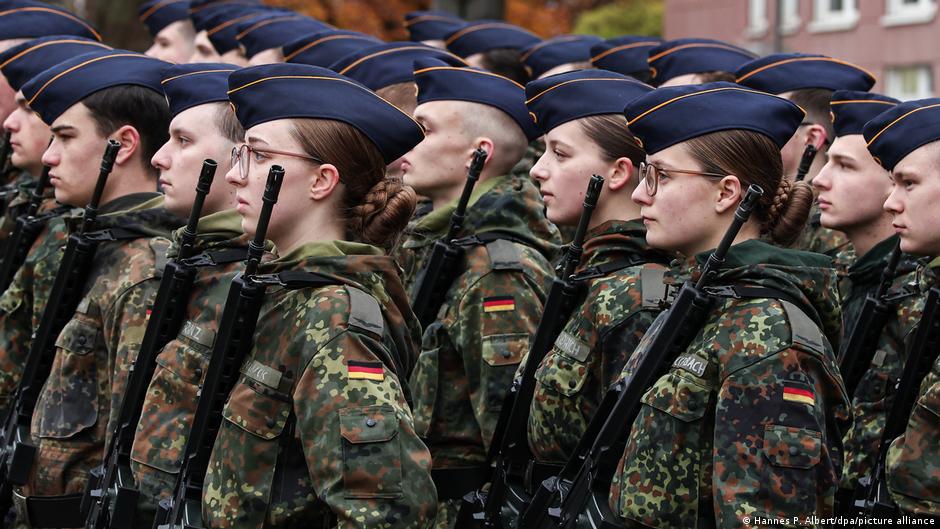
In the first half of 2025, Germany experienced a significant increase in refusals to perform military service, with 5,862 formal requests submitted by June 30. This number starkly contrasts with 3,867 refusals reported throughout 2024 and 2,998 in 2023, reflecting growing unease catalyzed by evolving security challenges and legislative changes in conscription policy.
Security Context and Conscription Reform
The rise in refusal applications is attributed primarily to heightened security tensions in Europe and the implementation of a new reform in the Bundeswehr conscription process effective from January 1, 2025. Under the reform, starting July 1, 2027, all 18-year-old males will be mandatorily summoned for medical fitness evaluations to assess eligibility for military service, regardless of their voluntary enlistment intentions.
"The partial reintroduction of conscription, termed 'military obligation if necessary,' is planned should volunteer numbers fall short," a policy expert noted, underscoring strategic manpower expansion goals.
This shift marks a reversal from the 2011 suspension of compulsory military service, although the constitutional provision permitting conscientious objection to armed service remains intact as per Article 4, paragraph 3 of the German Basic Law.
By 2035, the Bundeswehr aims to expand active personnel from the current 186,000 to 260,000, necessitating adjustments in recruitment and retention strategies that may impact various sectors, including digital industries.
Implications for the Fintech and Digital Economy Sectors
The increase in military service refusals and potential reinstitution of conscription could have consequential effects on the digital economy workforce. As Germany seeks to strengthen its cybersecurity and digital infrastructure amid geopolitical uncertainties, the availability of young, skilled labor is critical.
Digital banking, fintech innovation, and crypto-related development heavily rely on a technically proficient workforce. Heightened military obligations may divert young talent, influencing recruitment dynamics in technology firms and startups. Furthermore, cybersecurity roles, often filled by veterans and reservists with specialized training, could face personnel fluctuations, affecting national digital security frameworks.
Additionally, legislative changes in conscription might spur technological investments in remote operations and AI-based security solutions to compensate for manpower shifts. The fintech sector, in particular, could witness increased focus on cybersecurity and fraud prevention technologies as digital payment systems remain vulnerable amid geopolitical tensions.
Broader Workforce Trends and Legislative Nuances
Notably, refusal declarations are not limited to conscripts yet to serve; active servicemen and reservists also submit such applications. Conversely, some applicants have withdrawn their military refusal statements, with 781 such reversals in 2024 and 233 in the first quarter of 2025, indicating fluid individual decisions amid changing circumstances.
These workforce dynamics underline the delicate balance Germany faces in meeting defense needs while sustaining critical human capital in emerging technology sectors.