US Strikes Target Iran Near Strait of Hormuz Amid Regional Tensions Impacting Trade Routes
US military actions aim to disrupt Iran’s attacks on commercial shipping in the critical Strait of Hormuz, a key artery for global oil trade.
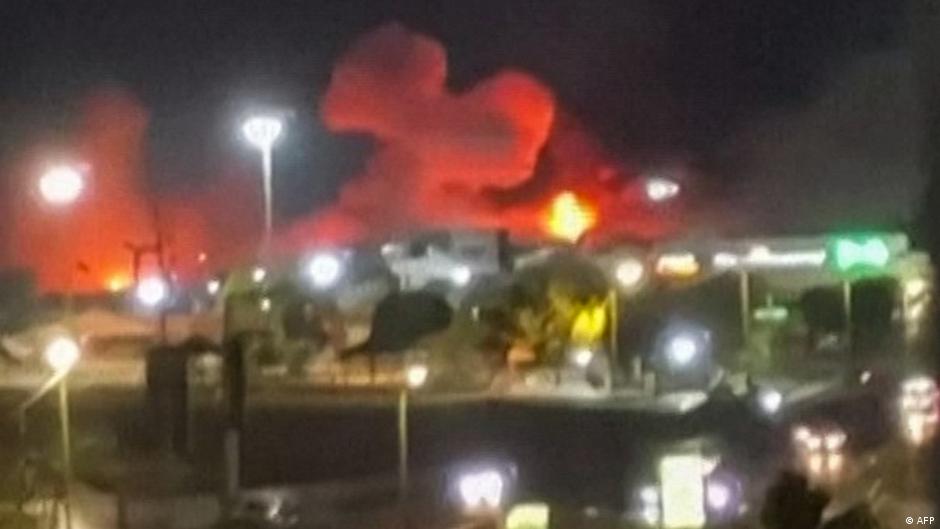
The United States military has launched new strikes against Iranian targets in the vicinity of the Strait of Hormuz, aiming to curb Tehran's capability to attack civilian and commercial vessels navigating this strategic waterway. The region is vital to global energy supplies, as about 20 percent of the world's traded oil passes through the strait.
Impact on Maritime Security and Digital Trade Routes
In a statement released on July 13, the US Central Command (CENTCOM) said the strikes were intended to continue undermining Iran’s ability to threaten maritime shipping. The operations targeted various sites near the port of Bandar Abbas, the city of Sirik, the island of Qeshm, and the city of Jask, all located around the Strait of Hormuz.
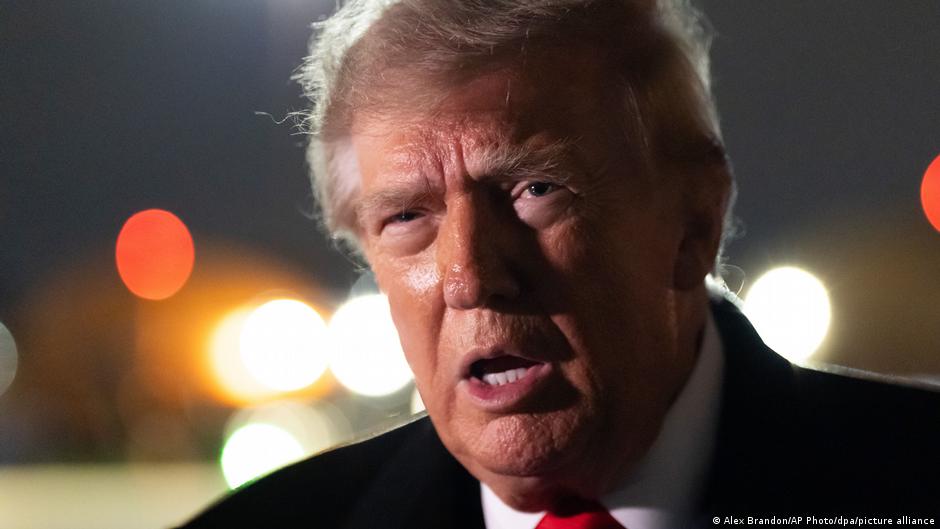
Iran’s Islamic Revolutionary Guard Corps (IRGC) declared the Strait closed until further notice, warning it would remain so until American military interventions cease. However, CENTCOM and US President Donald Trump both dismissed these claims, affirming that maritime traffic through the strait continues uninterrupted despite regional hostilities.
"The Supreme Commander ordered these strikes to deter the Iranian regime," CENTCOM emphasized on social media, illustrating the US commitment to securing commercial navigation.
These military escalations follow a cycle of attacks and counterattacks. On July 12, US forces targeted approximately 140 Iranian military sites—including missile depots, drone storage, and communication hubs—in retaliation for IRGC attacks on the container ship GFS Galaxy in the strait. Iran claimed to have fired warning shots at the vessel for allegedly diverting from Tehran-approved routes.
In response, Iran launched strikes against US military assets in Persian Gulf states such as Qatar and Oman, marking a significant increase in regional confrontations. This instability poses risks not only to physical shipping routes but also to the digital infrastructure supporting global trade and energy markets, including secure payment systems and supply chain communications.
The ongoing tension impacts fintech and digital economy sectors by increasing cybersecurity concerns for maritime logistics and energy trading platforms. Disruptions in oil flow influence commodity prices, potentially affecting digital banking portfolios and tech stocks tied to energy markets.
Despite a framework agreement signed on June 17 to halt hostilities and reopen the strait, violations by both sides have continued, complicating efforts to stabilize this critical maritime corridor. US President Trump declared on July 8 that the memorandum with Iran was effectively void, restoring sanctions and halting official negotiations, though lower-level talks persist.
This volatile situation underscores the intersection of geopolitical conflict with the vulnerabilities of digital financial networks and international trade systems reliant on stable energy supplies and secure payment channels.