US Military Strikes Iran Amid Strait of Hormuz Closure Impacting Global Oil and Digital Trade Flows
Escalating US-Iran tensions disrupt the Strait of Hormuz, raising cybersecurity and fintech concerns for global energy and digital payment networks.
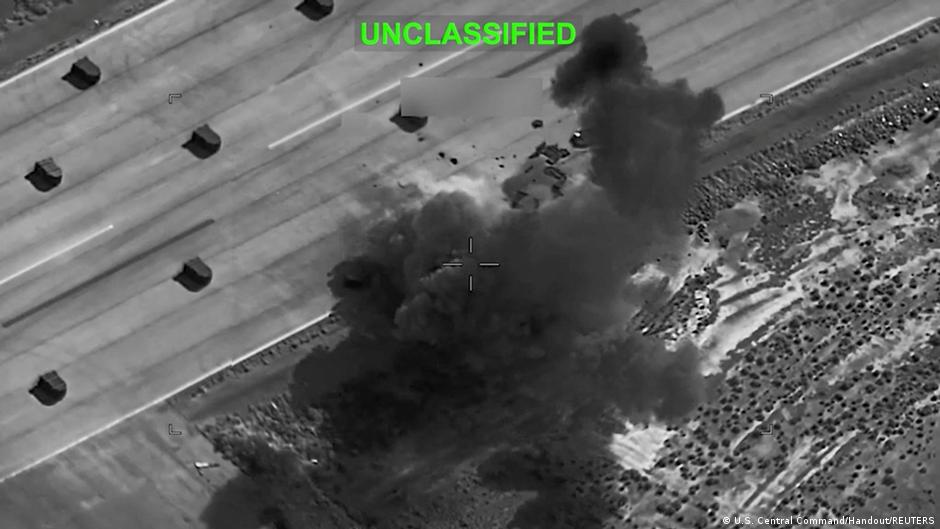
The United States military launched a third wave of strikes against Iran within a week following an attack by Iran's Islamic Revolutionary Guard Corps (IRGC) on a civilian container ship in the strategically critical Strait of Hormuz. This key maritime passage, vital for global oil exports, remains closed, amplifying risks to energy markets and digital commerce reliant on secure payment infrastructures.
Geopolitical Conflict Disrupts Fintech and Digital Economy Sectors
On the night of July 12, US Central Command (CENTCOM) announced a fresh round of military strikes targeting Iranian assets. These strikes are a direct response to the IRGC’s aggression against the GFS Galaxy container ship, flying the Cypriot flag, which was transiting the Strait of Hormuz. The vessel suffered a fire and substantial engine damage, rendering it inoperable. One crew member is reported missing.
"Iran was given another chance to uphold the Memorandum of Understanding after previous attacks on commercial vessels but failed again," CENTCOM stated. "The United States is delivering significant damage to Iran, continuing to degrade its ability to threaten civilian mariners and commercial shipping passing freely through the strait." US Secretary of Defense Pete Hegseth succinctly summarized the situation: "Iran made the wrong choice. Now they are paying for it."
Iran’s IRGC responded by claiming the vessel had deviated from approved routes and that warning shots were fired to ensure maritime security. The IRGC further declared that the Strait of Hormuz would remain closed "until further notice" and until US military interventions cease. Threats were also made against US military bases in the Middle East should the strikes continue.
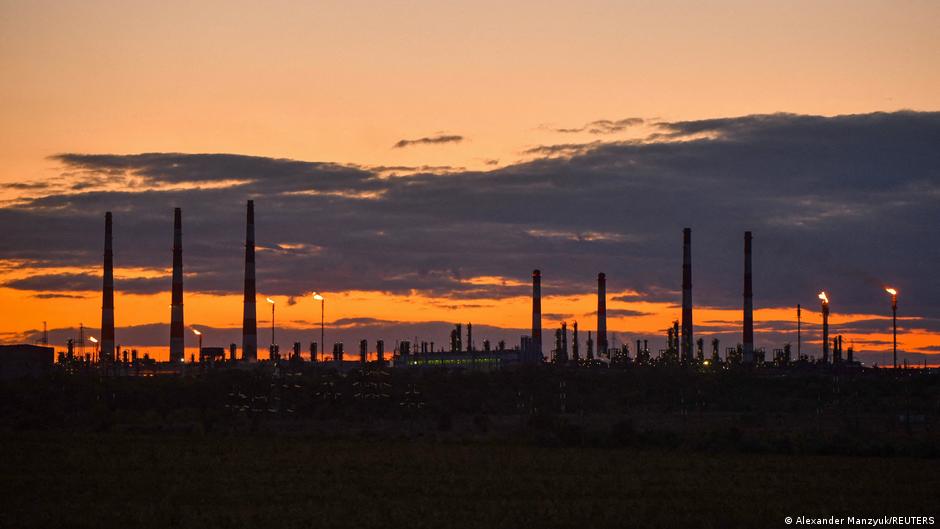
The Strait of Hormuz is responsible for roughly 20 percent of global oil trade, a figure heavily intertwined with the fintech sector, as digital payment systems and transaction networks process billions linked to global energy sales. Disruptions here ripple through financial markets, affecting crypto assets tied to commodities and increasing cybersecurity risks as nations heighten maritime and infrastructure defenses.
Previously, on June 17, the US and Iran signed a preliminary agreement aimed at halting hostilities and reopening this vital waterway. However, after a drone attack on a civilian tanker on June 25, followed by US retaliatory strikes, the fragile truce collapsed. Subsequent exchanges have included missile and drone attacks impacting Bahrain and Kuwait, with US forces targeting Iranian radar and missile sites.
"The ongoing conflict highlights the vulnerability of critical trade routes and underscores the need for resilient, secure digital infrastructure amid geopolitical uncertainty," said an analyst specializing in fintech risk management.
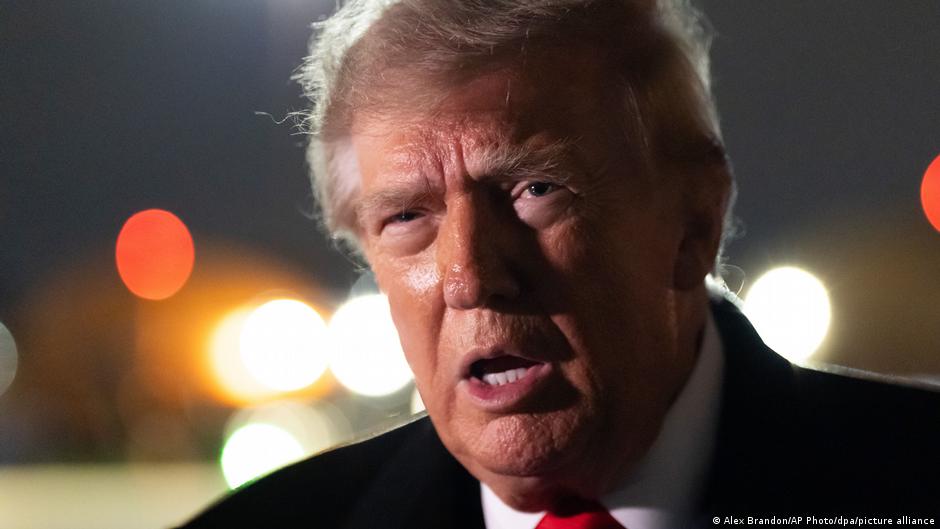
US President Donald Trump announced at a NATO summit that the memorandum with Iran is no longer valid, describing Iranian leaders as "evil, sick people" and refusing direct negotiations, though leaving room for intermediaries. The US has reinstated oil sanctions on Iran, escalating economic pressures with significant implications for global digital payment ecosystems connected to energy trading.
On July 11, Reuters reported that Iranian officials admitted to US counterparts that "uncontrollable elements" within Iran's system were responsible for the attacks, acknowledging a failure and expressing willingness to engage in dialogue.
This ongoing tension not only jeopardizes physical shipping lanes but also challenges the integrity of digital financial networks reliant on stable geopolitical conditions. Financial institutions, payment platforms, and crypto exchanges must monitor these developments closely to mitigate risks associated with sanctions enforcement, supply chain interruptions, and increasing cybersecurity threats.