EU Considers Withholding €2 Million Funding from Venice Biennale Over Russian Participation
European Commission urges suspension of financial support to Venice Biennale due to Russia's involvement amid geopolitical tensions.
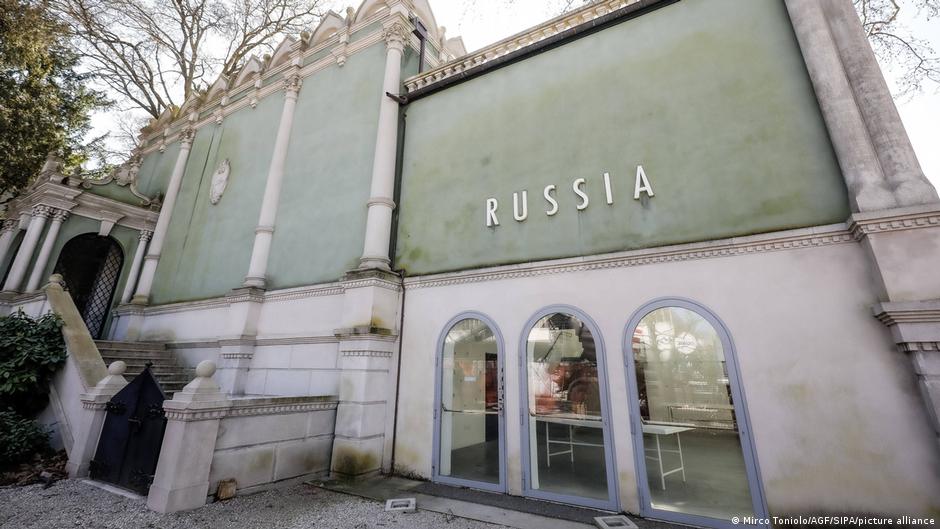
The European Commission has recommended that the European Education and Culture Executive Agency (EACEA) revoke the Venice Biennale's €2 million funding following Russia's participation in the prestigious cultural event. This decision comes amid ongoing concerns about the geopolitical implications of Russia's involvement in European cultural forums.
Financial and Political Repercussions of Russian Inclusion
Henna Virkkunen, the European Commission’s Executive Vice-President for Technology Sovereignty, Security, and Democracy, explained the decision on social media, emphasizing that cultural initiatives funded by European taxpayers must uphold and promote democratic values. "In contemporary Russia, these values are not respected," she remarked.
"Culture in Europe – funded by taxpayers’ money – should foster and protect democratic values, which are currently disregarded in Russia," said Henna Virkkunen.
Russia's participation in the 2026 Venice Biennale marked its first appearance since the start of its full-scale invasion of Ukraine, sparking harsh criticism from Brussels and Kyiv. The Russian pavilion became the focal point of protests by activist groups such as Femen and Pussy Riot, highlighting the contentious nature of its inclusion.
European Union High Representative for Foreign Affairs, Kaja Kallas, had previously indicated on April 21 that the EU intended to reduce funding to the Venice Biennale due to Russia's return. In early May, the European Commission formally warned the Italian government and Biennale organizers that Russia's participation breaches EU sanctions. The Commission's letter underlined that the Russian pavilion is state-controlled by Vladimir Putin’s government, meaning its financial support indirectly benefits the Kremlin.
Pietrangelo Buttafuoco, President of the Venice Biennale, defended the decision not to exclude Russia, citing a commitment to freedom of expression despite the political sensitivities involved.
Implications for Fintech, Digital Economy, and Cultural Funding
The potential withdrawal of EU subsidies from the Venice Biennale over Russia’s participation underscores the intersection of cultural events and geopolitical risks impacting public funding allocations. This move also reflects broader concerns about financial flows and economic support inadvertently reaching sanctioned entities, raising compliance challenges for funding bodies.
For digital economy stakeholders, such developments highlight the importance of robust due diligence and compliance frameworks when engaging with international partners. Similar principles apply in fintech payments and digital banking sectors where monitoring and preventing indirect support to sanctioned regimes through financial transactions is critical. The case also signals heightened scrutiny on cultural institutions’ financial operations, reinforcing cybersecurity and transparency demands in managing public funds.
Market observers in tech and digital finance will watch closely how EU institutions balance cultural freedom with geopolitical and regulatory pressures. The Venice Biennale case may set precedents for future funding policies affecting tech-enabled cultural platforms and digital content providers associated with politically sensitive regions.