Russian Ballistic Missile Strikes in Kyiv Highlight Cybersecurity and Payment System Risks Amid Conflict
Nighttime missile attacks in Kyiv raise concerns over digital infrastructure resilience and economic stability in conflict zones.
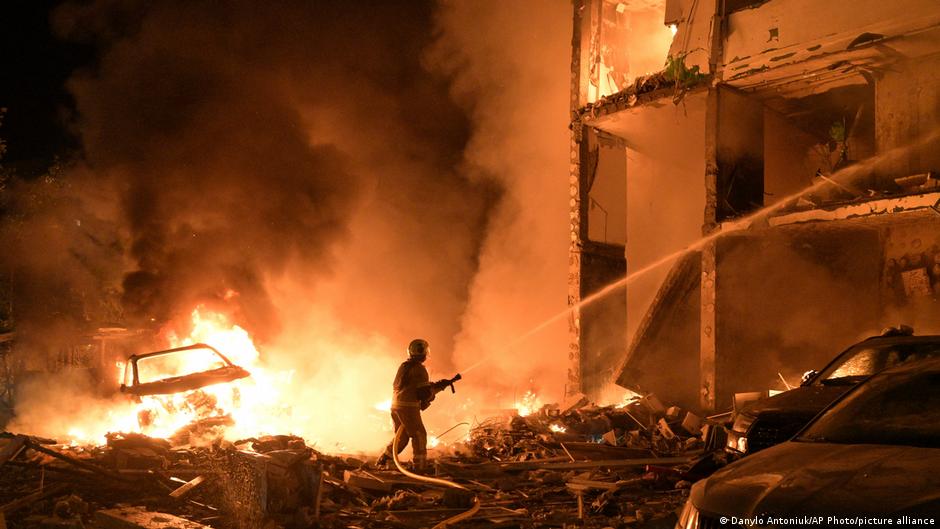
In the early hours of July 10, Russian forces launched ballistic missile strikes on Kyiv, causing damage to critical infrastructure and injuring at least six civilians, according to local authorities. The attack occurred without prior air raid warnings, exposing vulnerabilities in emergency communication systems.
Impact on Kyiv's Digital and Energy Infrastructure
The missile barrage resulted in fires at a transformer substation in the Darnytskyi district and an office building in the Solomianskyi district, along with damage to non-residential buildings in the Sviatoshynskyi and Dniprovskyi districts. Such infrastructure damage poses a significant threat to the stability of digital services, including payment systems and telecommunications, which rely heavily on continuous power and connectivity.
“These strikes underscore the critical need to safeguard digital and energy infrastructures to maintain economic functions during wartime disruptions,” cybersecurity experts note.
Disruptions in power supply could lead to outages affecting digital banking, online payments, and other fintech services that are essential for both civilians and businesses. Given Kyiv’s role as Ukraine’s financial hub, sustained interruptions risk undermining trust in digital financial platforms and complicate the execution of transactions.
Broader Economic and Security Context
The ongoing conflict has seen an escalation in drone attacks targeting Russian oil refineries, which Ukrainian President Volodymyr Zelenskyy describes as "long-range sanctions" aimed at pressuring Moscow economically. These efforts have reportedly exacerbated a gasoline crisis in Russia, affecting even the inner circles of the Kremlin.
The intensification of hostilities has broader implications for the digital economy. Cybersecurity threats increase amid military conflict, with critical infrastructure such as power grids and communication networks becoming prime targets for disruptive attacks. This environment challenges the resilience of digital payment systems and heightens the risk of financial fraud and cyber intrusions.
International organizations have recorded a sharp rise in civilian casualties this year, highlighting the severe human cost of the conflict. Meanwhile, Ukrainian authorities plan to establish a special command focused on continuing economic pressure through targeted strikes, reinforcing the intersection of military actions and economic warfare.
Russian President Vladimir Putin’s uncompromising stance on seizing the Donbass region, despite deteriorating conditions for Russian civilians, suggests prolonged conflict with continued risks for digital infrastructure security and economic stability in the region.
As the conflict evolves, stakeholders in fintech, digital banking, and cybersecurity must anticipate and mitigate risks associated with physical and cyber attacks on critical infrastructure. Ensuring robustness in payment systems and protecting consumer data remain priorities amid growing geopolitical tensions.