Drone Attacks Halt Operations at Key Russian Refinery Amid Fuel Shortages
Saratov refinery suspends work after UAV strikes disrupt oil processing, impacting fuel supply in Russia.
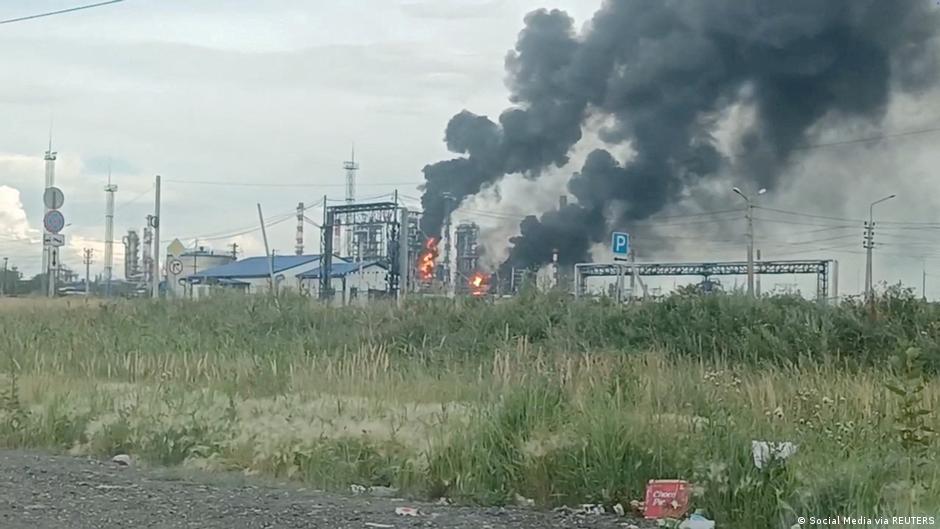
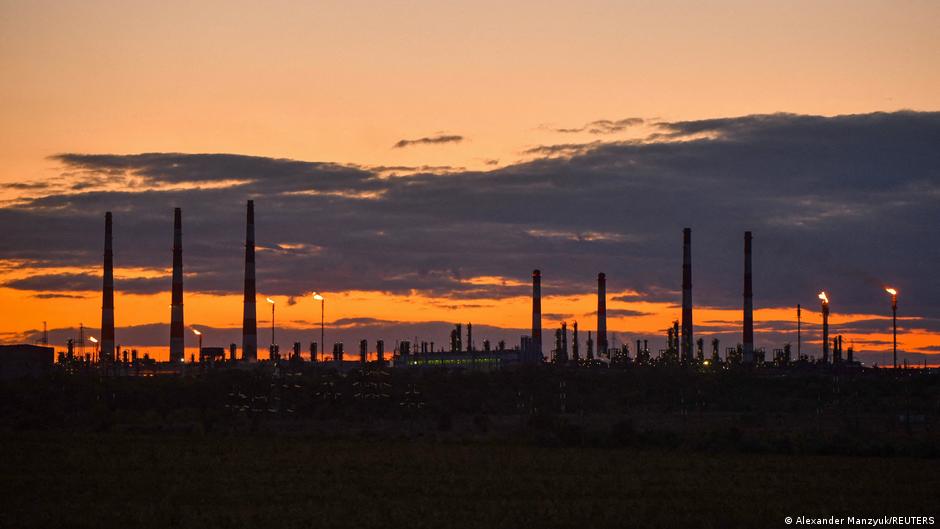
Operations at the Saratov oil refinery in Russia have been suspended indefinitely following damage from recent drone attacks, worsening the ongoing fuel shortage crisis across the country. The refinery’s primary crude distillation unit (CDU-6), capable of processing up to 20,000 tonnes of crude oil daily, was reportedly targeted and damaged in the strikes.
Impact on Russian Fuel Supply and Digital Economy
The Saratov refinery, owned by Rosneft, was confirmed by regional authorities to have suffered infrastructure damage from the unmanned aerial vehicle (UAV) attacks. While details remain limited, the incident follows a pattern of repeated drone strikes on critical energy infrastructure since the escalation of conflict between Russia and Ukraine.
In the first half of 2026 alone, at least 13 oil refineries across Russia have ceased operations temporarily or partially due to similar attacks, removing approximately 25% of the nation’s oil refining capacity and 30% of gasoline and diesel production from the market, according to independent media analysis. These disruptions have contributed to a widespread fuel deficit affecting an estimated 50 million Russians—around 35% of the population—primarily drivers dependent on gasoline and diesel.
In response to the shrinking fuel availability, regional governments and fuel suppliers have imposed gasoline sales restrictions across most Russian regions. Emergency preparedness measures have been declared in territories such as Zabaykalsky Krai, Penza, and Irkutsk Oblasts, while the federal government has prohibited diesel fuel exports at least until the end of July 2026 to prioritize domestic supply.
These operational challenges and regulatory constraints have reverberated through Russia’s digital economy, especially fintech and energy trading platforms reliant on stable fuel markets. Supply chain disruptions increase volatility in commodity prices, impacting digital payment flows and raising cybersecurity concerns as companies adapt to rapidly changing market conditions.
Russian Deputy Prime Minister Alexander Novak highlighted that local refiners have ramped up production utilization to maximum levels, deployed reserved fuel stocks, shortened repair timelines, deferred planned maintenance, and engaged smaller refineries to mitigate shortages. However, these measures face obstacles given the scale of infrastructure damage and the persistent threat of further UAV attacks.
"Russian oil companies have increased loading of existing plants to the maximum level and utilized previously accumulated fuel volumes to stabilize the market," Novak noted.
Financial markets, particularly tech stocks connected to energy and logistics sectors, have reacted to these developments with increased volatility. Investors are closely monitoring the resilience of Russian refining infrastructure and potential shifts in global fuel supply chains, including the role of digital banking and payments platforms facilitating energy trade amid geopolitical uncertainty.
Looking ahead, the prolonged suspension of key refineries like Saratov and Moscow’s Kapotnya plant, which may remain partly offline until December, underscores ongoing risks to Russia’s energy sector and digital ecosystem. Continuous UAV assaults on critical infrastructure emphasize the growing intersection of military conflict and cybersecurity challenges within the digital economy.