Fuel Prices Nearly Double in Crimea Amid Russian Energy Export Restrictions
Petrol prices in Crimea surged by over 78% in early July as Russia tightens fuel exports amid domestic shortages.
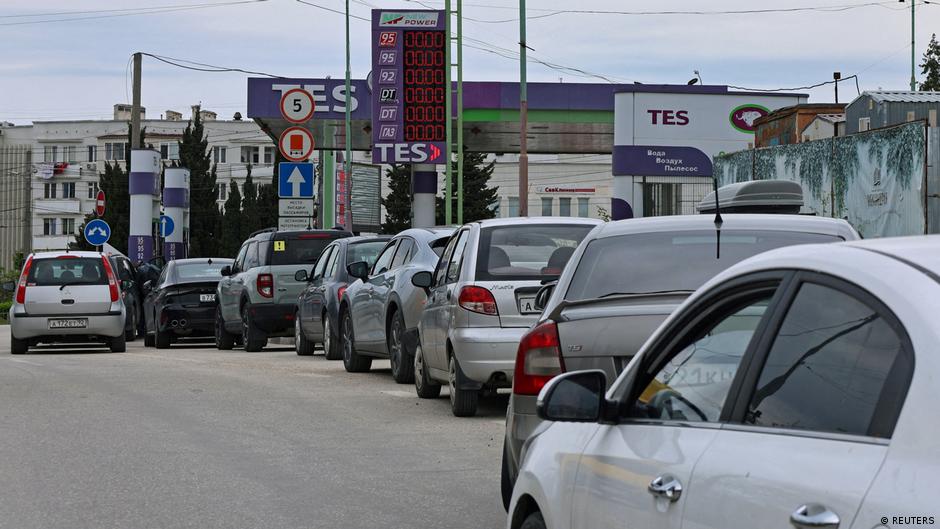
Fuel prices in Crimea have experienced an unprecedented spike, rising by an average of 78.4% during the first week of July, according to recent data reflecting the ongoing energy crisis in Russia and its annexed territories. The cost of AI-95 gasoline, the most popular grade among drivers, surged from 88.82 to 170.59 rubles per liter, marking a sharp 92% increase within just one week.
Impact of Export Restrictions and Supply Challenges
This dramatic price surge follows Moscow's decision to impose a ban on diesel fuel exports from July 8 to July 31, an exceptional regulatory move aimed at stabilizing the domestic fuel market amidst a growing shortage. Vice Premier Alexander Novak announced the export prohibition during a government meeting chaired by President Vladimir Putin. Unlike previous export limitations that exempted producers, the latest decree now restricts even oil product manufacturers from exporting diesel, marine fuel, and gas oil through the end of July.
"In order to maintain stable conditions in the internal fuel market, the supply of diesel and other key fuel types will be restricted, including by producers," a government statement confirmed.
Russia's energy sector has been under significant strain since late May, caused in part by increased attacks on oil refineries and energy infrastructure within the country. This has precipitated a severe shortage of gasoline and diesel, forcing consumers into long queues and leading to the closure of many gas stations across numerous regions, including occupied Ukrainian territories such as Crimea and Sevastopol.
According to calculations by Russian media agency RBC, nearly 60 regions currently enforce some form of fuel rationing or sales restrictions as of early July. The fuel price increases are not isolated to Crimea alone; Ivanovo Region follows with a 19% hike during the same period, while several other regions report gasoline prices exceeding 80 to 100 rubles per liter.
Implications for Digital Payments and Energy Market Dynamics
The fuel price volatility in Crimea and other regions poses challenges for the digital economy and fintech sectors, particularly affecting payment systems and transaction volumes related to fuel purchases. As consumers face higher prices, there may be shifts in payment behaviors, including increased digital payments at gas stations and potential growth in alternative fuel payment solutions.
Moreover, the crisis underscores vulnerabilities in Russia's supply chain and energy infrastructure, which could influence tech stocks tied to fuel distribution networks, logistics, and energy trading platforms. The increased reliance on imports from countries like India, Kazakhstan, and Japan to mitigate fuel shortages also reflects broader geopolitical and economic shifts that fintech companies operating cross-border payment and trade finance services will monitor closely.
Notably, the government has temporarily allowed the sale of Euro-3 class fuel — an older and more polluting standard phased out in Europe — to alleviate shortages. This move could have longer-term effects on automotive-related digital services, including those monitoring vehicle emissions and compliance with environmental standards, potentially reshaping market needs for associated technological solutions.
As Russia navigates the current fuel crisis, the intersection of energy market instability and digital payment innovation remains critical for stakeholders in the fintech and digital economy sectors.