Germany Announces Record Defense Spending of €124.7 Billion in 2026, Impacting Digital Economy Budgets
Germany plans a historic increase in defense expenditure amid NATO commitments, influencing fintech, cybersecurity, and digital infrastructure investment.
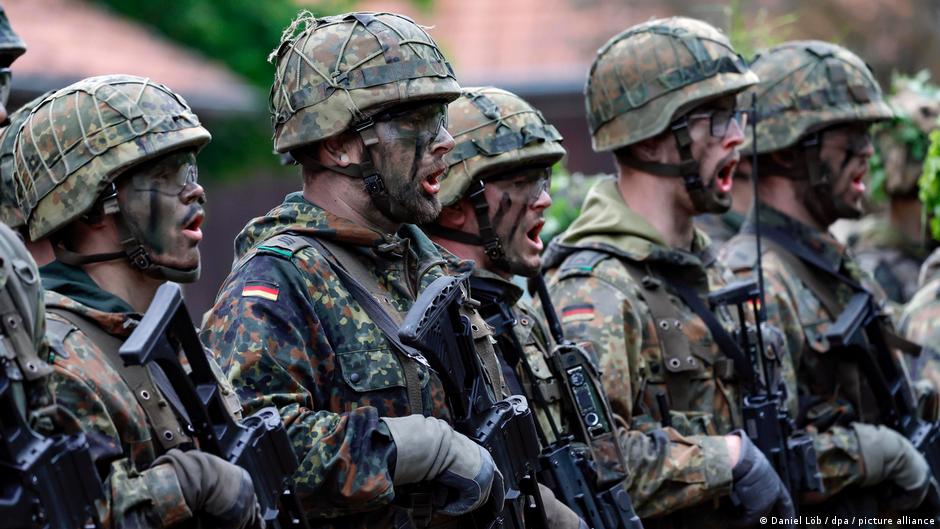
Germany has declared a record defense budget of €124.7 billion for 2026, marking a 25.5% increase compared to the previous year’s €99.3 billion allocation. This announcement was made ahead of the NATO summit in Ankara and represents the largest annual absolute growth in defense spending by Germany within the alliance.
Implications for Digital Economy and Cybersecurity
The surge in defense spending signals notable shifts not only in military capabilities but also in the financial landscape affecting the fintech sector, digital banking infrastructure, and cybersecurity investments. As Germany plans to issue government bonds exceeding €200 billion in 2027 to finance this expansion, the reallocation of public funds may impact available capital for digital innovation.
Increasing budgets for defense include significant investments in cybersecurity, a critical area for Germany and NATO allies amid rising digital threats. The enhanced funding is expected to bolster digital defenses, securing critical infrastructure and payment systems against cyberattacks and ensuring resilience in digital banking platforms.
"European allies and Canada increased their defense spending by nearly 20% last year, adding $139 billion, which will support both conventional and digital defense capabilities," stated the NATO Secretary-General.
The expanded defense budget, which is projected to reach 2.69% of Germany’s GDP in 2026 (up from 2.22% in 2025), emphasizes the prioritization of national security in the context of evolving digital threats. This trend is significant for fintech firms and digital economy stakeholders as cybersecurity demands intensify.
Moreover, Germany’s plan to raise over €800 billion by 2030 to fund defense underscores potential shifts in government debt issuance and bond market dynamics, affecting tech sector valuations and investor appetite for technology stocks linked to defense and cybersecurity.
Comparatively, the United States remains the global leader in defense investment with an estimated $850 billion (approx. €745 billion) allocated for 2026, far surpassing NATO partners’ combined expenditures. Germany ranks fourth internationally, trailing behind the US, China, and Russia.
According to NATO forecasts, only five out of 32 member states will exceed the ambitious 5% GDP defense spending target in 2026, including Greece, Poland, Latvia, Lithuania, and Estonia. Meanwhile, other countries such as Belgium, Spain, and the Czech Republic will remain at or below 2% GDP spending levels, highlighting disparities in defense funding priorities across Europe.
These developments reflect a broader strategic shift within NATO towards enhanced defense readiness that integrates digital security frameworks essential for the fintech and banking sectors. The increased defense budgets will likely accelerate investments in secure payment technologies and digital infrastructure defenses, ensuring that financial systems remain robust against cyber warfare and espionage.