Cuba Faces Nationwide Blackout Amid U.S. Sanctions Impacting Energy and Economy
Cuba's electrical grid failure highlights escalating U.S. sanctions affecting energy supply and ongoing economic reforms.
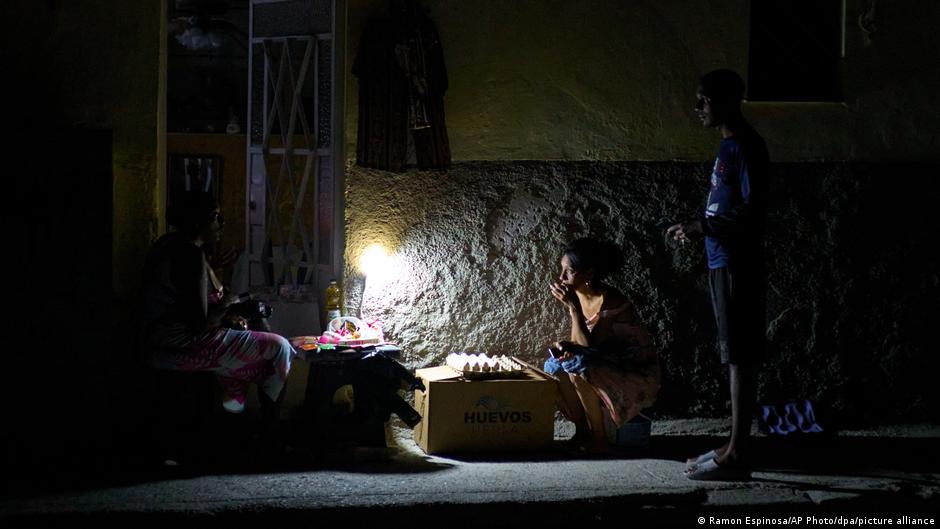
On July 6, Cuba experienced a complete blackout of its electrical grid, underscoring the severe challenges posed by intensified U.S. economic sanctions. The incident was confirmed by the state-run operator, Unión Eléctrica, which has initiated restoration efforts while investigations into the cause continue.
Energy Crisis and Economic Pressures
The blackout comes amid tightening U.S. restrictions aimed at pressuring the Cuban government. Since January 2026, U.S. policies have limited Cuba’s fuel imports, permitting delivery of oil from only a single Russian tanker carrying 730,000 barrels, which was depleted by May. This has left Cuba able to secure just 40% of its required fuel supply.
Bloomberg reports that these sanctions have exacerbated Cuba’s chronic electricity shortages, affecting a population of roughly 10 million. In May, the Cuban government announced that fuel reserves were fully exhausted, leading to widespread power instability.
Recent months have seen multiple major outages: a countrywide blackout in mid-March lasting several hours and similar disruptions in eastern provinces in May. To manage the energy shortfall, the government also enforces scheduled power cuts that can last up to 24 hours, straining everyday life and the economy.
"The blackout reflects the growing strain on Cuba's infrastructure due to energy restrictions and economic sanctions," said an energy analyst.
Economic Reforms and Diplomatic Stalemate
In response to the prolonged crisis, Cuban authorities are undertaking significant reforms, including the largest partial privatization effort in 65 years. In June 2026, the government proposed nearly 200 market-oriented reforms aimed at mitigating the impacts of the U.S. fuel blockade and stimulating the economy.
However, diplomatic negotiations between Cuba and the United States have reached an impasse. The White House, under Donald Trump’s administration, maintains pressure on Havana with the expectation of regime change favoring a government more aligned with U.S. interests.
The energy crisis not only highlights Cuba’s vulnerability to geopolitical pressures but also poses risks for Cuba’s digital economy and fintech sectors. Power instability threatens the operations of digital banking services, payment systems, and cybersecurity infrastructure, potentially undermining investor confidence in Cuban tech markets and complicating efforts to modernize the economy.
As Cuba navigates this complex intersection of energy scarcity, economic reform, and international diplomacy, the sustainability of its digital transformation and financial technology innovation remains uncertain.