Canada's Submarine Deal with Germany Boosts Defense Tech and Industrial Collaboration
Canada selects German TKMS to build up to 12 non-nuclear submarines, signaling enhanced transatlantic defense cooperation and advanced maritime technology integration.
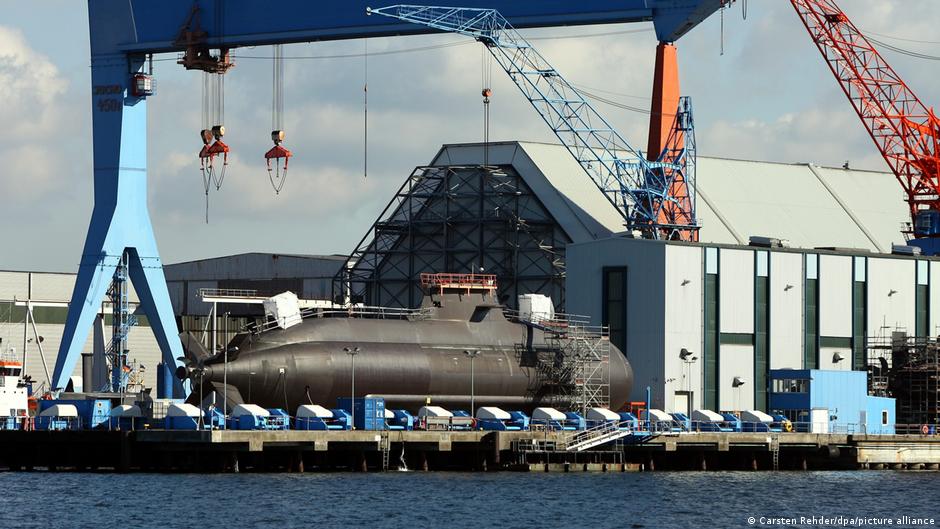
Canada's recent decision to procure up to 12 Type 212CD non-nuclear submarines from German manufacturer ThyssenKrupp Marine Systems (TKMS) represents a significant boost for defense technology and industrial collaboration within the transatlantic alliance. The move, welcomed by key German leaders, underscores the growing strategic importance of advanced maritime capabilities and their potential impact on high-tech defense sectors, including cybersecurity and digital infrastructure.
Strategic and Industrial Implications of the Submarine Contract
German Chancellor Friedrich Merz praised the submarine acquisition as a "powerful signal" of transatlantic and European defense cooperation, particularly in the lead-up to the NATO summit. The contract not only strengthens military alliances but also elevates German shipbuilding expertise on the global stage.
"Ahead of the NATO summit starting tomorrow, the Canadian government's choice sends a clear message about transatlantic and European collaboration in defense," said Merz. This endorsement reflects the broader geopolitical context where technological edge and interoperability are vital for modern security architectures.
Defense Minister Boris Pistorius highlighted the strategic benefits of the trilateral submarine fleet involving Canada, Germany, and Norway. He emphasized that these state-of-the-art submarines will be central to NATO’s security posture in the High North, allowing for effective information sharing and operational coordination across the North Atlantic and Arctic regions.
"Together, we will create the largest and most advanced non-nuclear submarine fleet in the world, enabling rapid exchange and analysis of intelligence gathered across key northern maritime areas," Pistorius stated.
Foreign Minister Johann Wadephul also underscored the advanced technological stature of the Type 212CD submarines, calling them "the world’s best non-nuclear submarines." The collaboration opens a new chapter in both defense and industrial policy for the three nations, with significant implications for the defense supply chain and innovation ecosystems.
The contract with TKMS, headquartered in Kiel, came after a competitive process that included South Korea’s Hanwha Ocean. Factoring in long-term maintenance and operational costs, the deal could reach an estimated value of approximately 100 billion euros, underscoring the scale and economic impact of this procurement.
Fintech and Digital Economy Perspectives
This major defense contract illustrates the increasing intersection of traditional military procurement with advanced technology sectors, including cybersecurity, digital communication systems, and industrial digitization. The submarines’ sophistication necessitates cutting-edge secure data exchanges, real-time operational analytics, and integration of complex software systems—areas closely related to fintech security frameworks and digital economy innovations.
Moreover, the deal exemplifies how large-scale defense projects influence technology stocks, supply chain digitization, and cross-border industrial partnerships within the digital economy. As secure and resilient digital infrastructure becomes critical for defense and financial sectors alike, collaborations like this submarine program highlight emerging opportunities for fintech firms specializing in cybersecurity and encrypted communications.
In conclusion, Canada's selection of German-built non-nuclear submarines marks not only a strategic military upgrade but also a catalyst for technological advancements and transatlantic industrial cooperation that will shape defense-related digital innovation and economic dynamics for decades.