"Gazprom" Signs Contract with Russian Defense Ministry to Secure Gas Infrastructure via Mobile Units
The energy giant partners with the military to form mobile security groups for critical gas supply facilities, impacting workforce and security protocols.
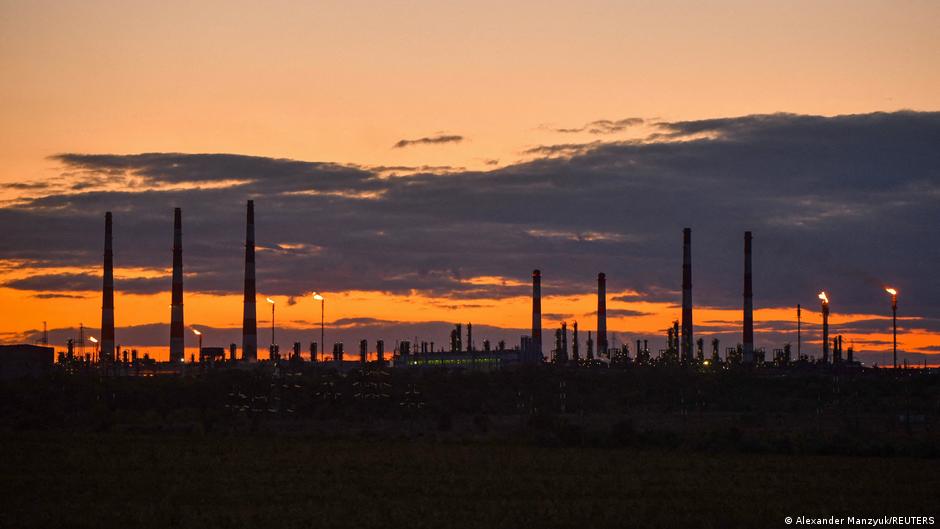
Russian energy conglomerate "Gazprom" has entered into a contract with the Russian Ministry of Defense to establish mobile fire units tasked with patrolling and protecting critical gas supply infrastructure. This strategic partnership aims to enhance security for vital energy assets amid geopolitical tensions and evolving security challenges.
Contract Details and Workforce Implications
According to the contract, individuals enlisted in these mobile units will not be classified as active military personnel but will serve in a mobilization reserve capacity. This unique status allows members to maintain their primary employment while fulfilling reserve duties during military training periods.
Recruits must undergo rigorous medical examinations, a stringent selection process, and a two-month training program to qualify for service. Compensation packages include an average salary supplemented by payments from the Ministry of Defense—for reserve service, participation in military drills, and a continuous service bonus if active for over three years. Additionally, employers provide a monthly compensation of 200,000 rubles during training assemblies.
"This arrangement enables specialists to contribute to the security of critical infrastructure while retaining their civilian roles, striking a balance between military readiness and economic stability."
During assemblies, these personnel can be deployed solely within the region where their contract was signed, ensuring localized protection. Initial contracts span three years, with options for renewal extending up to five years depending on age limits ranging from 52 to 62 years, depending on rank.
Broader Strategic Context and Military-Industrial Integration
Earlier in 2023, Ukrainian intelligence alleged that "Gazprom" had established a private military company (PMC), citing a government order permitting the formation of a private security organization within the company. British media reports indicated recruitment efforts for "volunteers" began as early as August 2022, referencing PMCs named "Potok" and "Fakel," which appear to operate under Ministry of Defense jurisdiction.
In April 2023, Yevgeny Prigozhin, then head of the Wagner PMC, confirmed that "Gazprom"-linked PMCs were active in conflict zones, criticizing their lack of preparedness and professionalism. Additional evidence linking these groups to "Gazprom" came from testimonies by Russian prisoners of war and social media profiles indicating employment ties to Gazprom's Orenburg branch.
This collaboration between a major energy firm and the defense sector exemplifies growing intersections between strategic infrastructure protection and military capabilities in Russia's digitalized and securitized economy. For the fintech and digital economy sectors, such developments may foreshadow increased cybersecurity and operational risk management investments to safeguard critical assets amid hybrid warfare threats.