Russian Missile and Drone Strikes on Kyiv Disrupt Digital Infrastructure Amid Ongoing Conflict
The recent Russian attacks on Kyiv resulted in casualties and damage to residential areas, raising concerns over the resilience of Ukraine's digital and payment systems.
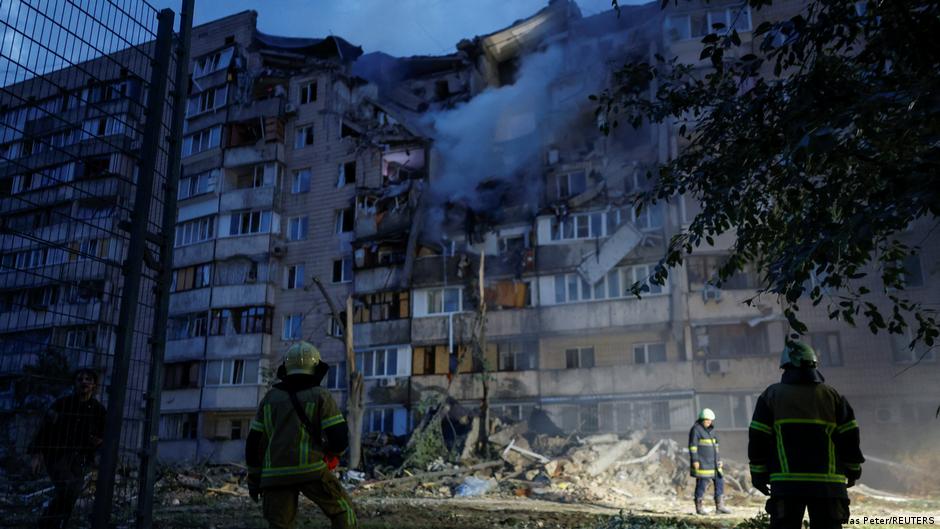
On the night of July 6, Russian forces launched a concentrated missile and drone attack on Kyiv, the Ukrainian capital, causing significant damage to residential buildings and infrastructure. Ukrainian authorities reported at least seven fatalities and 24 injuries, including children. The attack highlights the ongoing risks to Ukraine's critical digital and payment infrastructures amid the conflict.
Impact on Urban and Digital Infrastructure
The strike involved ballistic and cruise missiles along with offensive drones targeting multiple districts of Kyiv. Partial destruction was reported in Podilskyi district, where a residential building sustained heavy damage with people trapped between the 7th and 9th floors. Emergency responders evacuated 15 people from the affected building, including women and children. Other districts such as Darnytskyi and Holosiivskyi also witnessed damage to residential structures, resulting in fires and operational challenges.
"At the moment, people remain trapped on the upper floors of damaged buildings, underscoring the severity of the attack," said Kyiv Mayor Vitali Klitschko.
Moreover, the Kyiv region's Bucha district saw one fatality and multiple injuries, with damaged private homes and civilian infrastructure reported in Brovary and Vyshhorod districts. Emergency services continue to respond to the aftermath.
In addition to Kyiv, the city of Odesa experienced attacks resulting in injuries and damage to private properties. These incidents compound the ongoing threats to Ukraine’s urban centers, with potential cascading effects on digital banking and electronic payment systems.
Risks for Digital and Financial Systems Amid Conflict
Ukraine's increasing reliance on digital financial services and electronic payments makes the resilience of these systems critical during wartime. Disruptions caused by missile strikes on communication and power infrastructure pose direct risks to fintech operations, cybersecurity, and the continuity of digital transactions.
Given the timing, just days before the NATO summit in Ankara and following warnings by Ukrainian President Volodymyr Zelenskyy about anticipated large-scale Russian attacks, there is heightened international focus on reinforcing Ukraine's air defense capabilities. The president emphasized the importance of timely delivery of air defense missiles by international partners to protect critical infrastructure, including the digital economy.
Experts underscore the need for robust contingency plans within Ukraine's fintech sector to mitigate operational risks posed by such attacks. This includes strengthening cybersecurity measures and ensuring alternative communication channels for payment networks.
As the conflict continues, the resilience of Ukraine's digital economy remains a key concern for investors and international stakeholders, especially those involved in technology, cybersecurity, and digital banking sectors.