Germany Approves 2027 Budget with Increased Defense Spending Amid Economic Concerns
The German government plans higher borrowing and spending in 2027, prioritizing defense amid geopolitical tensions but raising fintech sector apprehensions about fiscal sustainability.
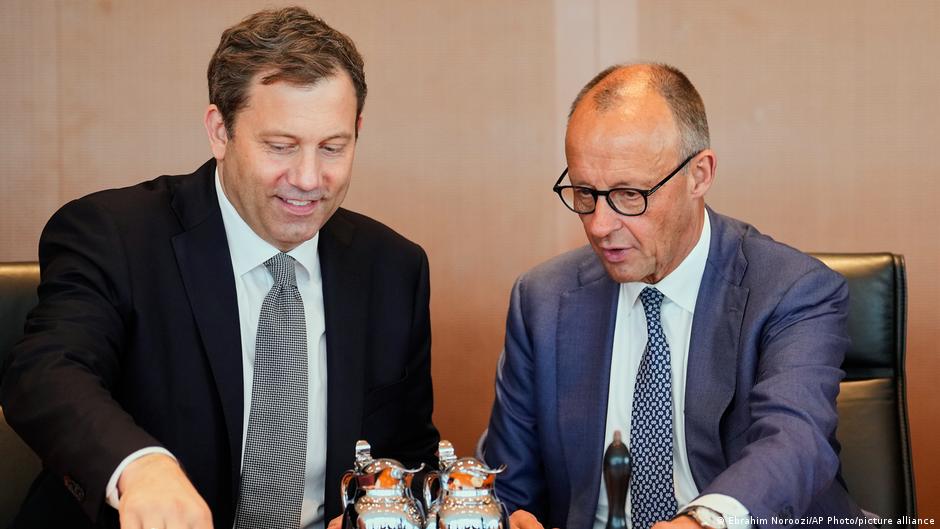
On July 6, the German government approved its federal budget proposal for 2027, signaling a significant increase in both planned expenditures and borrowing. The budget, crafted by Finance Minister Lars Klingbeil, aims to allocate resources in response to heightened security concerns related to Russia’s geopolitical stance, while also igniting debate over its impact on Germany's economic and digital sectors.
Budgetary Allocations and Economic Implications
The proposed 2027 federal budget targets total spending of €555.4 billion, nearly 6% higher than the current year's expenditure. Concurrently, new borrowing is set to rise to €118.7 billion, up from €98 billion this year, marking a notable escalation in fiscal leverage.
The largest share remains with the Federal Ministry of Labour and Social Affairs, allocated €201.4 billion primarily for pension payouts. The second largest is the Ministry of Defence, whose budget is slated for a 32.7% increase—to €109.75 billion—reflecting Germany's urgent drive to strengthen military capabilities after decades of underfunding.
Transport Ministry funding follows as the third largest, with €26.43 billion designated.
"We must make up for three decades of underfunding that weakened our armed forces, and do so within a very tight timeframe," stated Finance Minister Klingbeil. "We cannot defend ourselves against Putin with a balanced budget."
The government's rationale underscores the necessity of bolstered defense spending amid ongoing security threats from Russia, emphasizing that increased borrowing is essential for national defense preparedness.
Concerns from Industry and Fintech Perspectives
However, the budget has drawn criticism from key economic stakeholders. The Federation of German Industries (BDI) expressed alarm over the planned rise in expenditure and borrowing. BDI CEO Tanja Gönner urged the government to focus on stimulating economic growth and improving the efficiency of public spending instead.
Similarly, Helena Melnikov, CEO of the Association of German Chambers of Commerce and Industry (DIHK), highlighted the budget’s long-term constraints on growth-oriented investments. She warned that by 2030, spending on social services, defense, and debt interest will consume 80% of the budget, leaving limited fiscal room to drive economic expansion.
From a fintech and digital economy standpoint, these budgetary priorities carry implications. Higher government borrowing and defense spending may limit available capital for innovation in digital banking, cybersecurity, and crypto infrastructure development. With constrained public funds, initiatives to foster fintech startups, enhance payment systems, or strengthen digital financial regulation could face delays or underfunding.
Additionally, the increased fiscal deficit may influence investor sentiment regarding German tech stocks, particularly those tied to digital finance and cybersecurity sectors. Market actors will watch closely how the government balances defense imperatives with the urgent need to support Germany’s evolving digital economy.
In summary, Germany’s 2027 budget reflects a complex balancing act between urgent security demands and the imperative of sustaining robust economic growth and technological advancement in the fintech domain.