EU Budget Talks Stall as Digital and Crypto Levies Enter Funding Debate
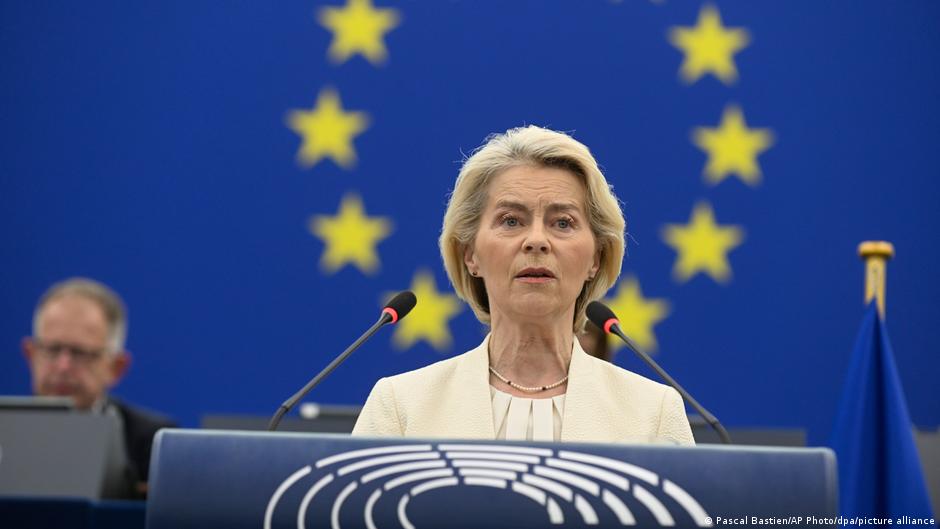
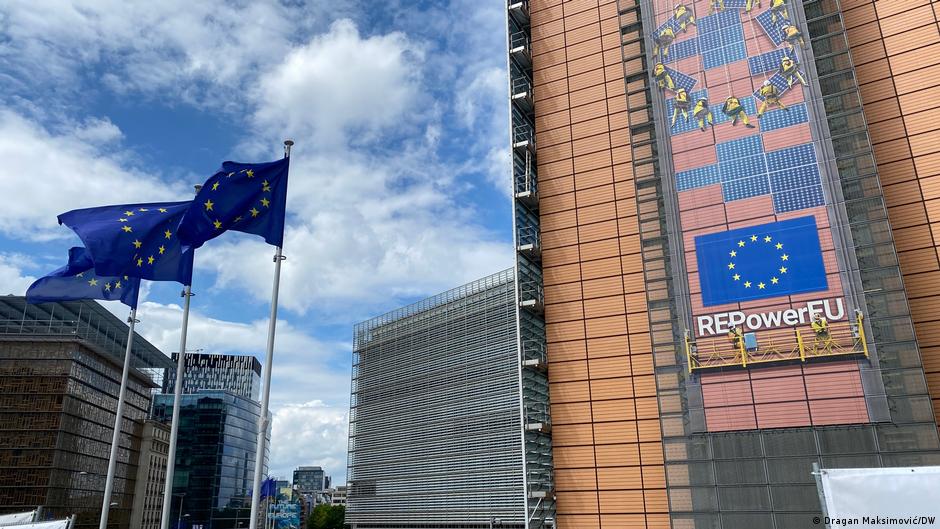
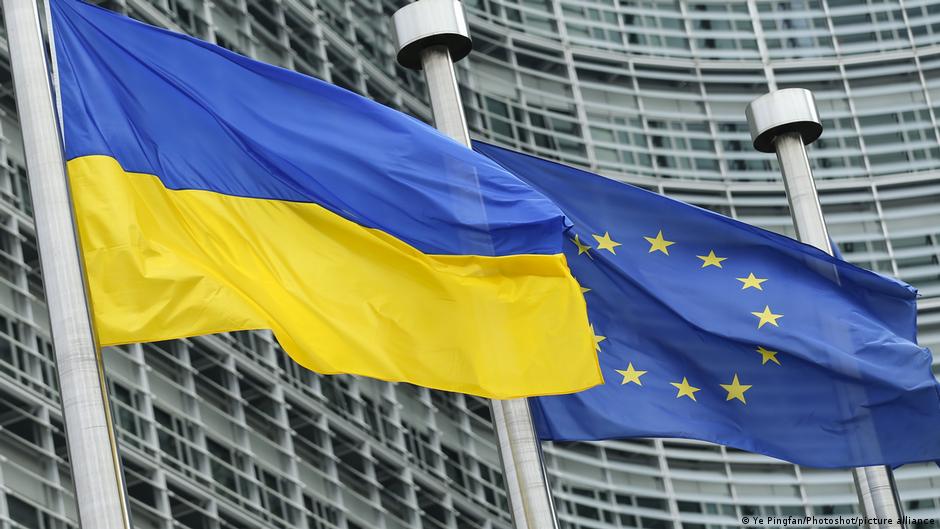
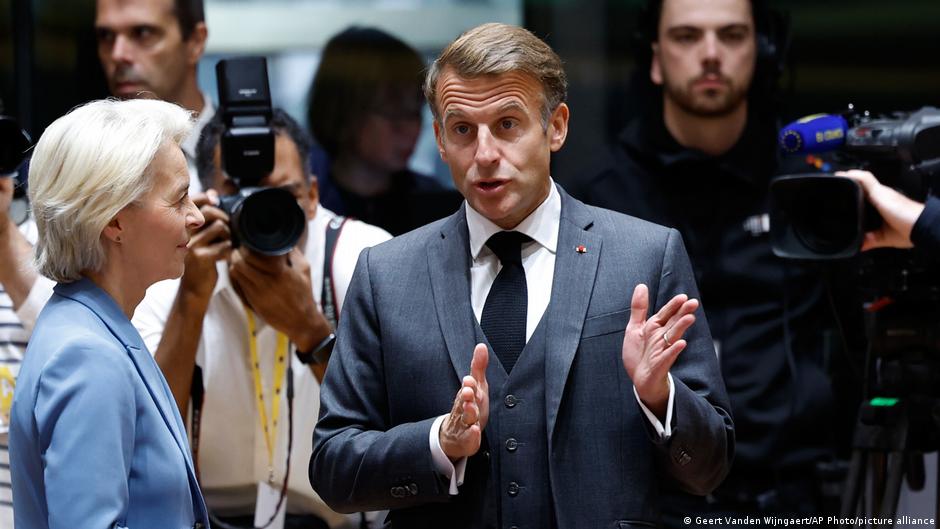
EU leaders failed to agree on a seven-year budget as proposed cuts to research and new levies on digital services and cryptoassets divided member states.

EU leaders failed to agree on a seven-year budget as proposed cuts to research and new levies on digital services and cryptoassets divided member states.

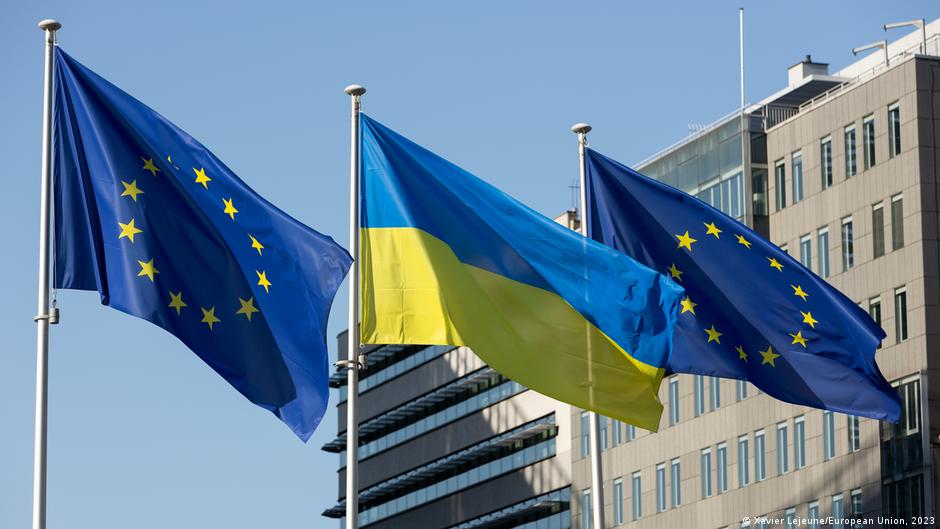
EU states agreed to open internal-market and competitiveness accession clusters for Ukraine and Moldova, advancing reforms tied to digital economy rules.

The EU plans additional funding for Ukraine drones and missiles as leaders prepare to discuss Kyiv's 2027 financing needs and support mechanisms.

Germany’s long-term welfare data intensify debate over public spending, labor rules and the digital systems behind benefits and payments.

The European Parliament approved a €115 million Agile programme to fund SMEs, startups and scaleups developing disruptive defence technologies.

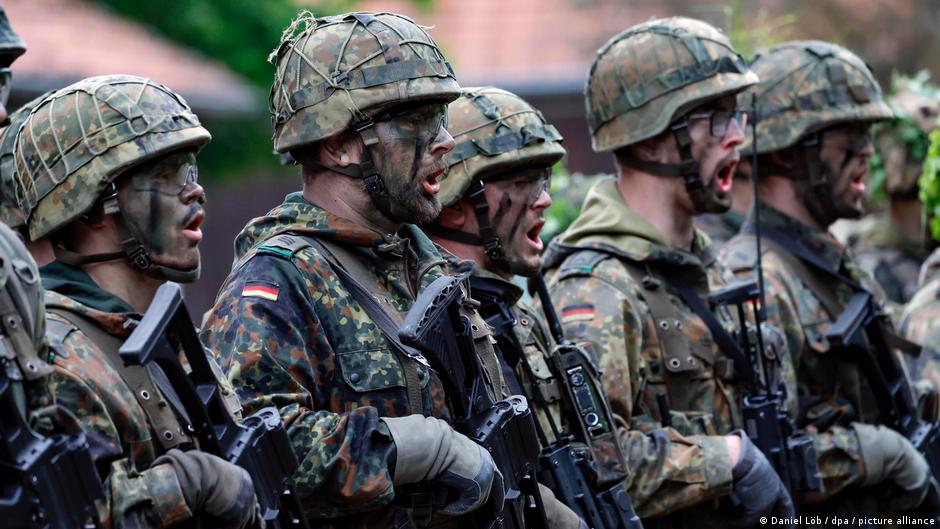
Germany received over 12,000 military service refusal statements in eight months as recruitment reform tests digital administration and defense capacity.

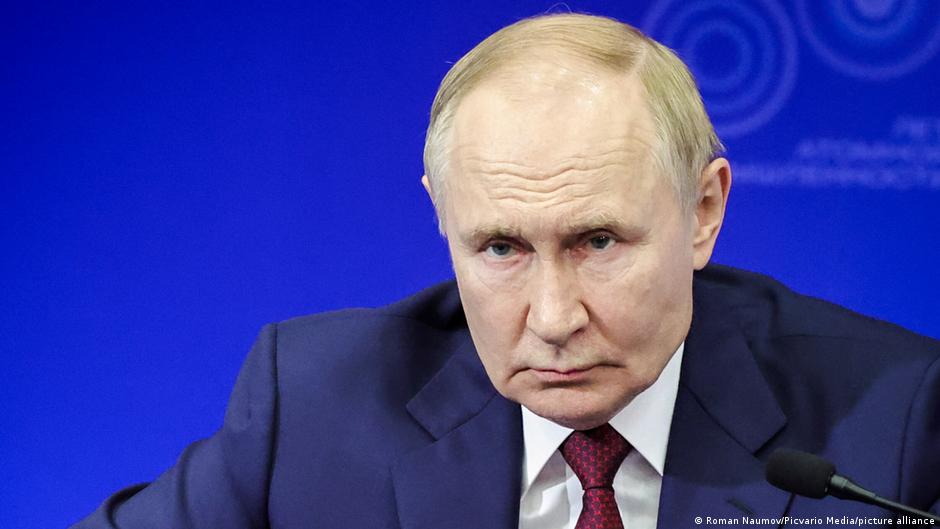
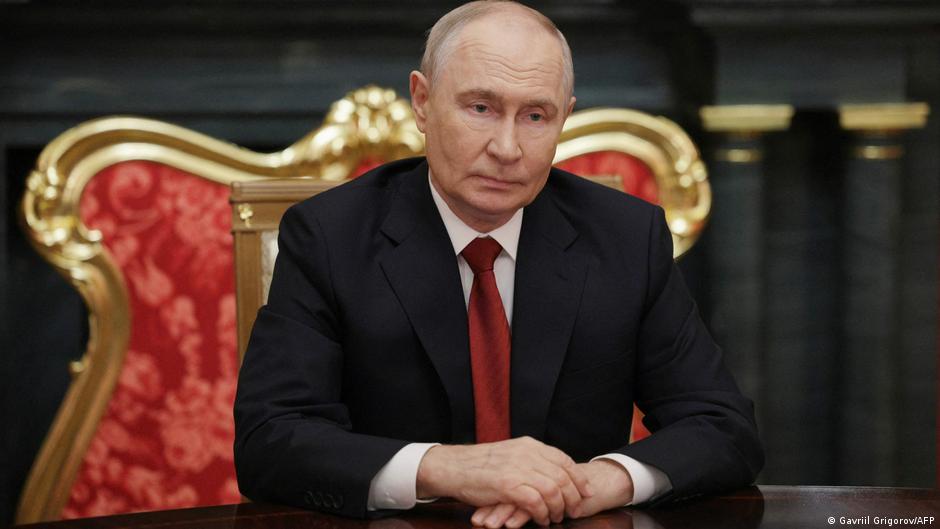
Putin’s Valdai remarks renewed nuclear warnings and Western blame, adding geopolitical pressure on payments, crypto, cybersecurity and tech markets.

The EU rejected Ukraine’s request to fast-track part of a €90 billion loan, keeping pressure on wartime financing and digital finance stability.

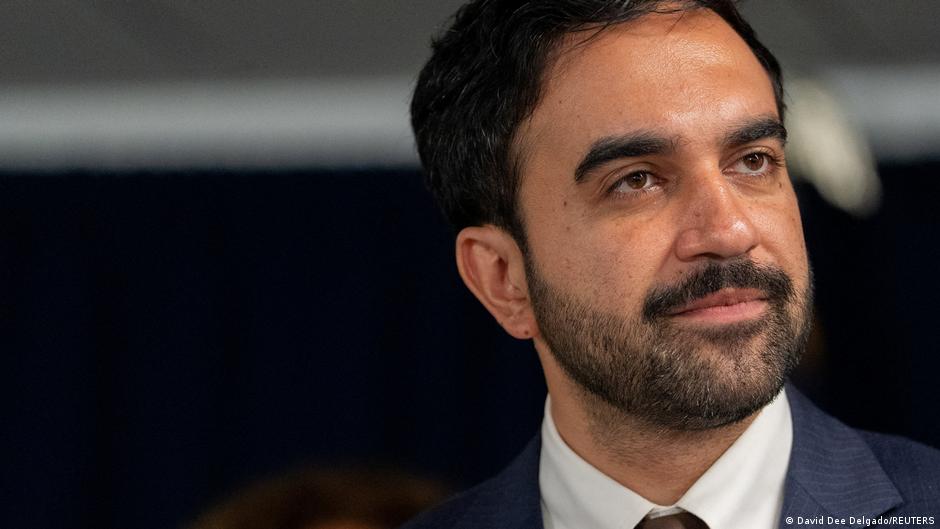
New York Mayor Zohran Mamdani proposed raising hate-crime funding to $29 million, with added synagogue security and Jewish cultural support.

The EU will add €710 million in humanitarian aid, with major allocations for Africa, Ukraine, Lebanon and Palestinian territories.

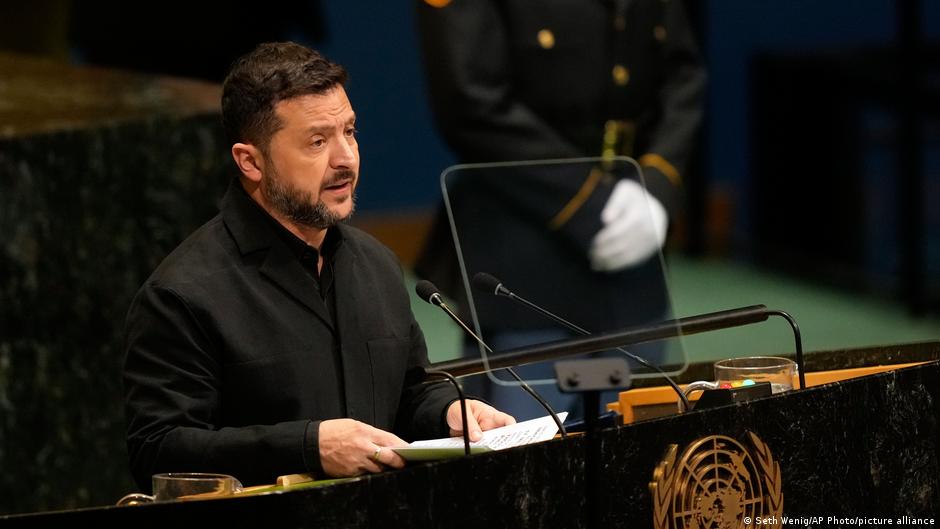
Zelenskyy told the UN that Putin is spreading war globally and said Ukraine is targeting Russia’s ability to finance and prolong the conflict.

The Left Party’s Berlin win could reshape the city’s housing, governance and investment climate for fintech and digital economy firms.

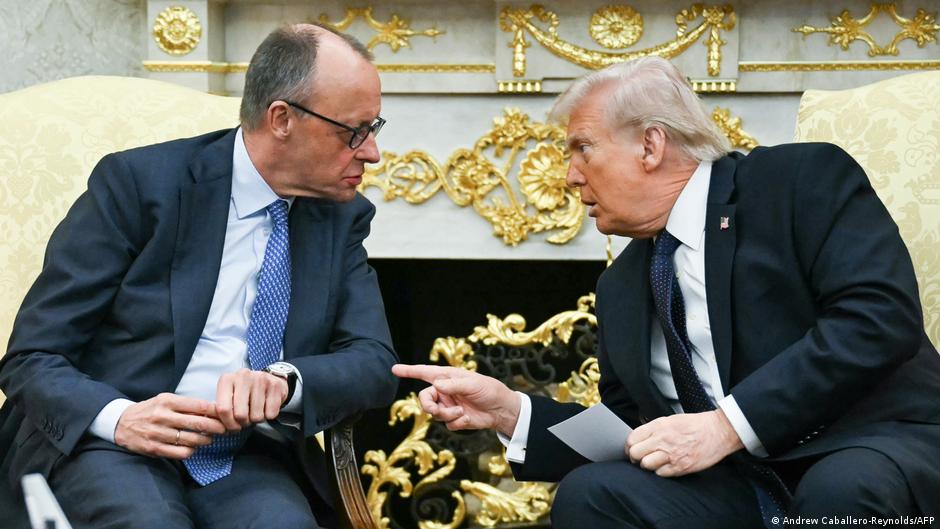
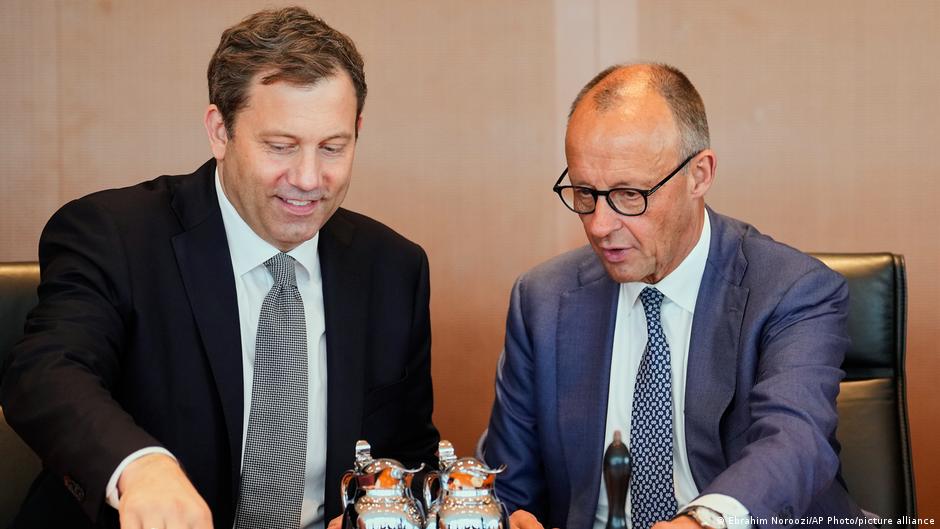
Friedrich Merz says unconditional transatlantic friendship may be over, with implications for Germany’s economy, security and digital sectors.

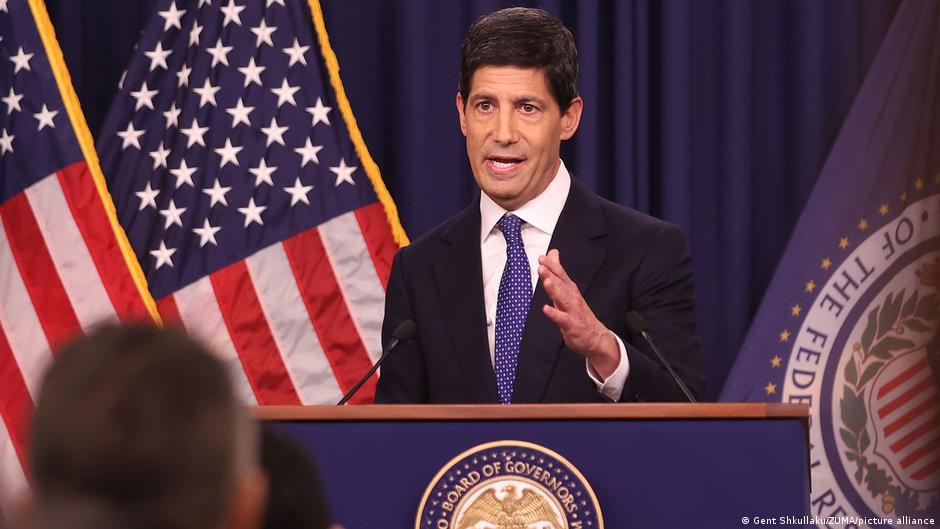
The Fed lifted rates to 3.75%-4%, its first increase in three years, putting fintech, crypto, payments and tech stocks under pressure.

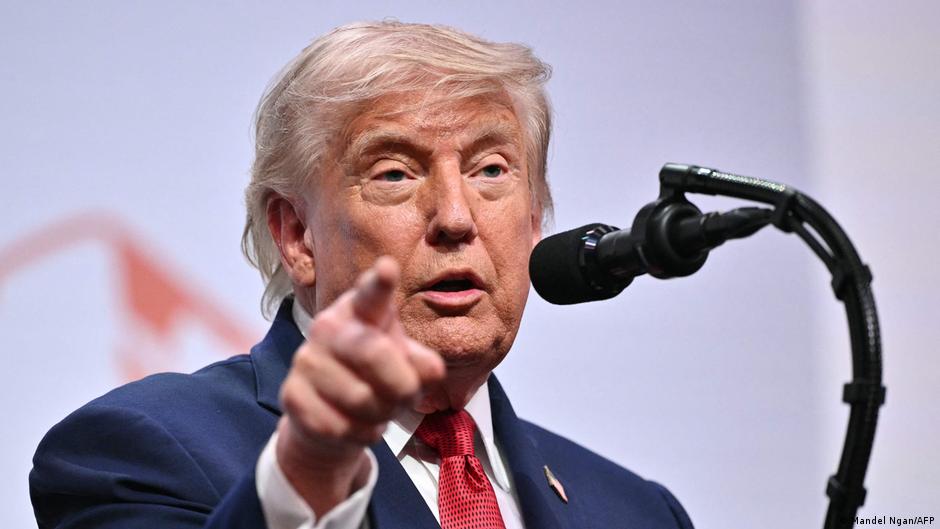
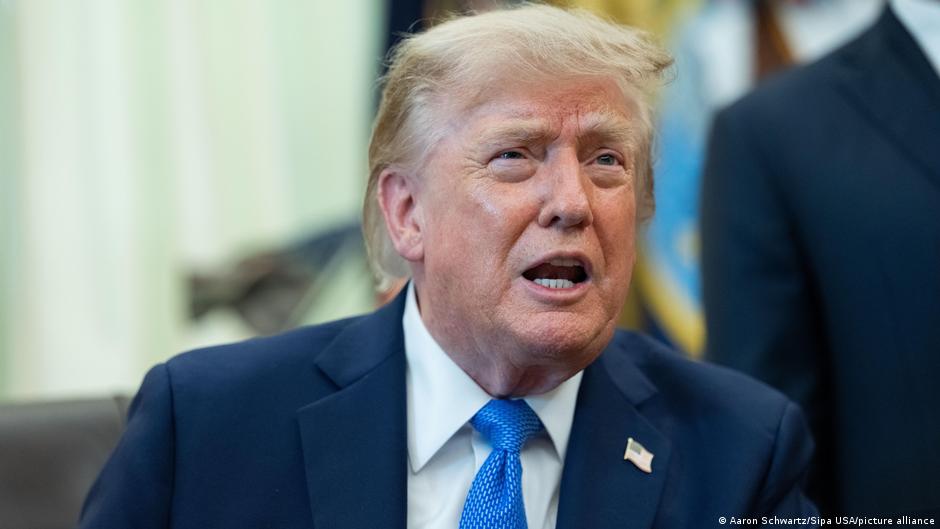
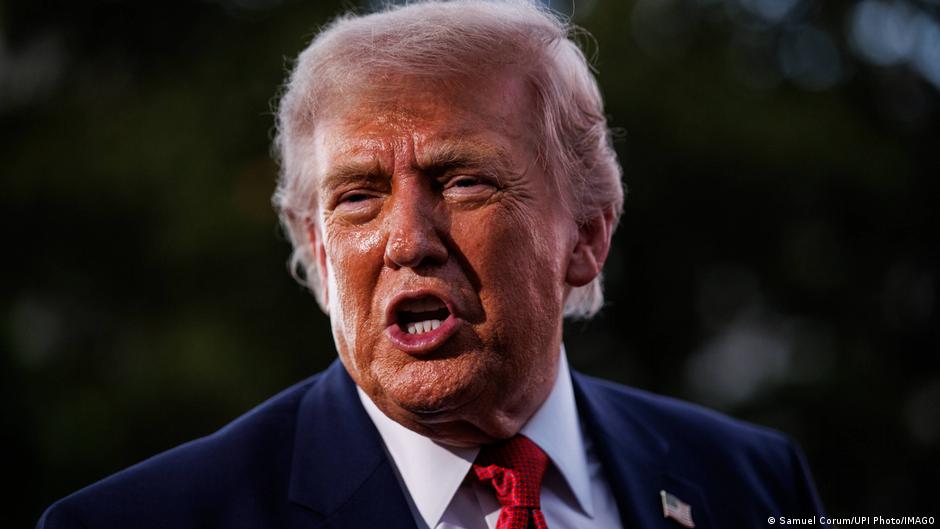
Trump warned of steep tariffs or a trade halt with Europe if the EU’s expanding Canada partnership is deemed hostile by Washington.

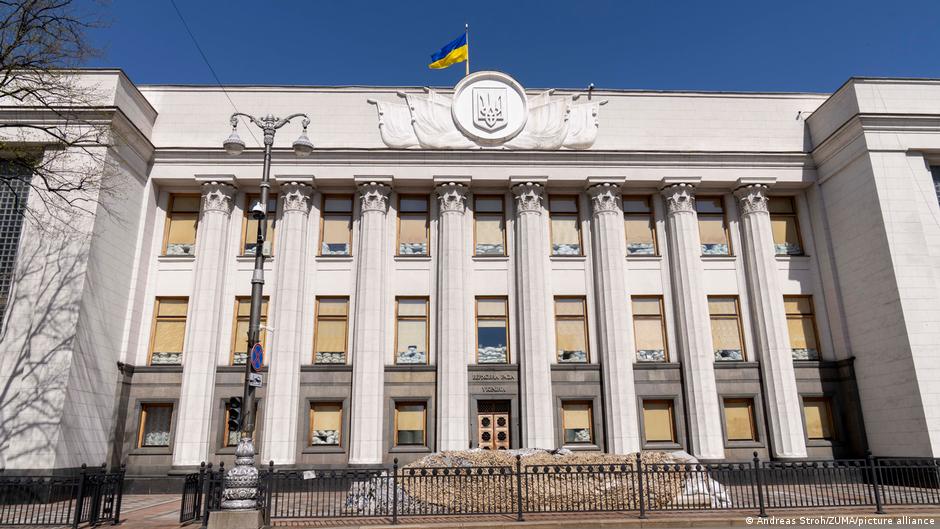
Ukraine’s parliament will review seven difficult bills linked to Western aid as Kyiv seeks to close a wartime budget gap.

Zaporizhstal says damage from a third Russian missile strike is critical, deepening risks for Ukraine’s industrial payments and tax base.

Germany’s foreign minister says German defense firms should benefit from Berlin’s Ukraine support, tying aid to procurement and taxpayer accountability.

Putin backed using medically unfit volunteers for rear drone defense, signaling new pressure on Russia’s manpower, infrastructure and tech sectors.

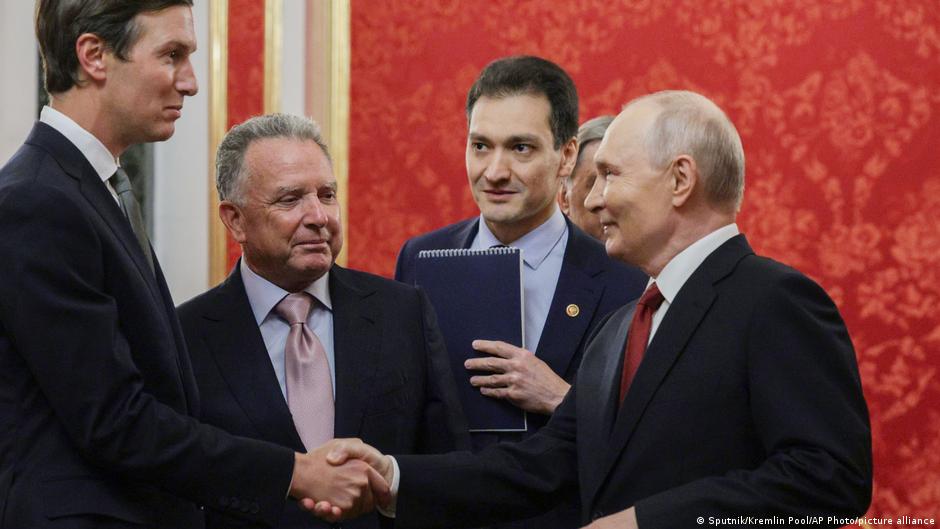
U.S. envoys discussed Ukraine peace plans with Putin and are heading to Kyiv, with fintech markets watching sanctions, payments and cyber risk.

Russia says it will shut Goethe-Institut branches after Berlin tightened sanctions and moved against the Russian House, raising wider compliance signals.

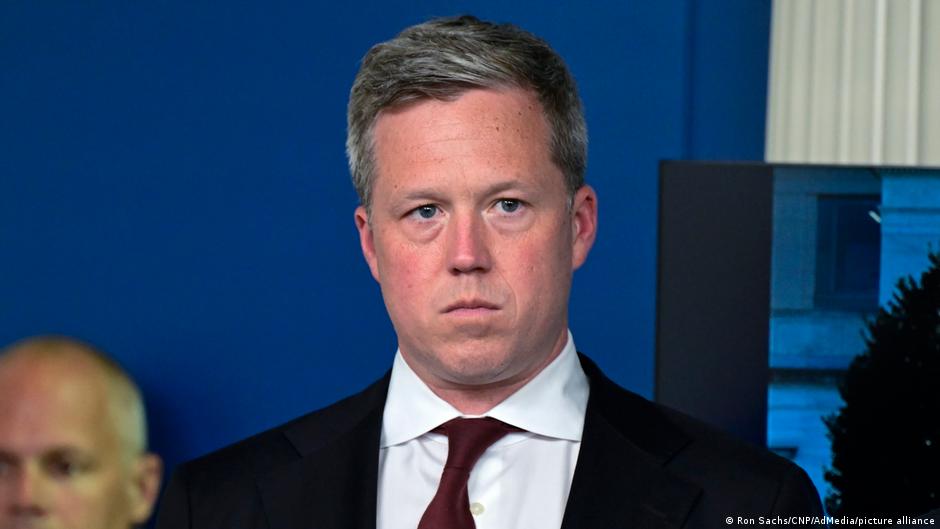
Daniel Driscoll's reported resignation adds uncertainty around Pentagon procurement, cybersecurity priorities and defense-tech market signals.

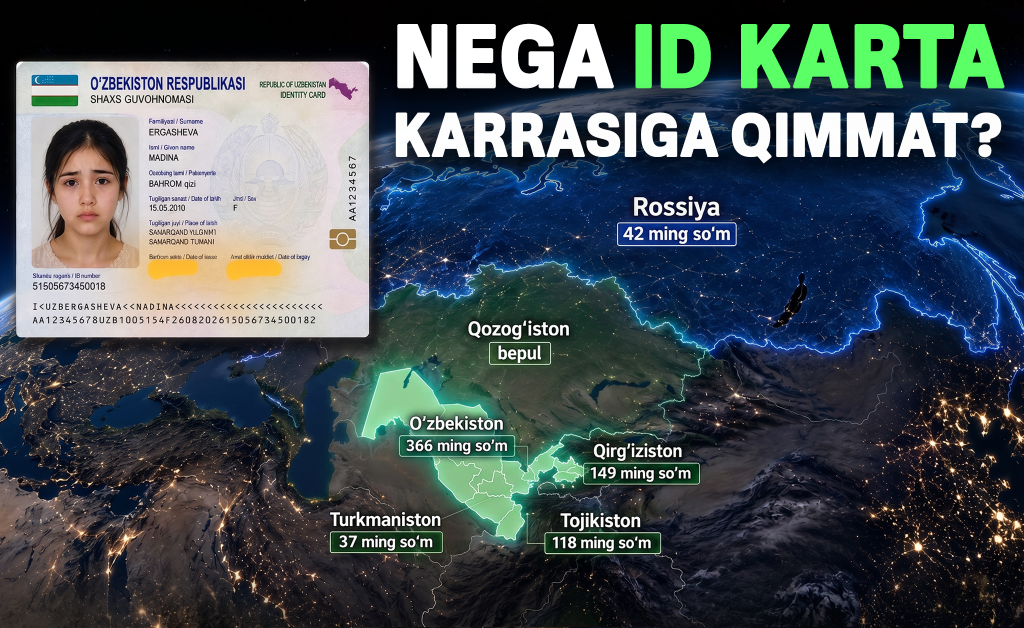
A debate over the cost of a first ID card in Uzbekistan is focusing attention on affordability, digital access and how regional peers price core identity documents.

Former President Donald Trump criticizes the Biden administration for depleting US missile stockpiles due to aid to Ukraine, stressing the need to prioritize domestic military readiness.

A Kremlin-linked bot network disseminates fake news mimicking German media to influence voter sentiment ahead of September regional elections.

Russia’s July oil and gas revenues could rise 60% year-on-year due to global price increases, despite sanctions aiming to limit its energy export earnings.

The IMF has approved a €604 million disbursement to Ukraine following satisfactory progress in its Extended Fund Facility program, supporting economic and digital sector resilience.

CIA Director John Ratcliffe highlights how AI-powered drones drastically cut Russian soldier survival times in Ukraine, reshaping warfare and defense tech investment landscapes.

Germany's record €124.7 billion defense budget for 2026 will boost cybersecurity and digital infrastructure, influencing fintech and digital banking sectors amid NATO commitments.

Germany's 2027 budget boosts defense spending and borrowing amid security concerns, raising fintech sector worries about future funding for digital innovation and economic growth.

Delayed payments from the US and China threaten the UN's budget stability, forcing drastic cuts and operational changes with broader fintech sector implications.

UN peacekeeping forces have fallen to their lowest levels since 2000 due to funding shortfalls and geopolitical tensions, threatening global conflict resolution efforts and impacting security across sectors.

President Trump announces deployment of 5,000 additional US troops to Poland, reversing earlier plans and reflecting shifts in US military posture in Europe.

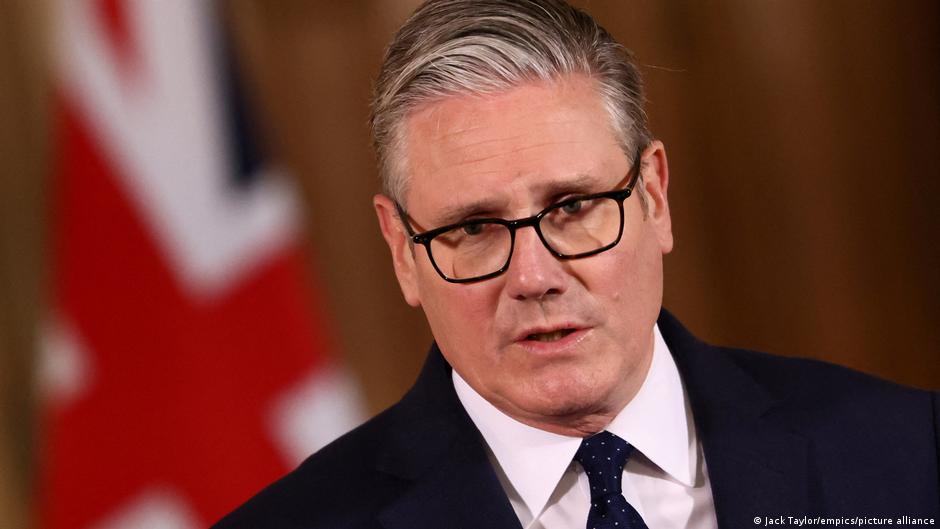
The UK plans an £18 billion defense budget increase, impacting fintech, cybersecurity, and tech sectors amid political challenges facing PM Starmer.

Poland has signed a €43.7 billion EU loan agreement under SAFE to modernize its defense forces and enhance cybersecurity, despite earlier presidential veto concerns.

Ryanair will close its Berlin base and cut flights by 50% citing high German aviation taxes and airport fees, reallocating aircraft to cheaper EU airports.

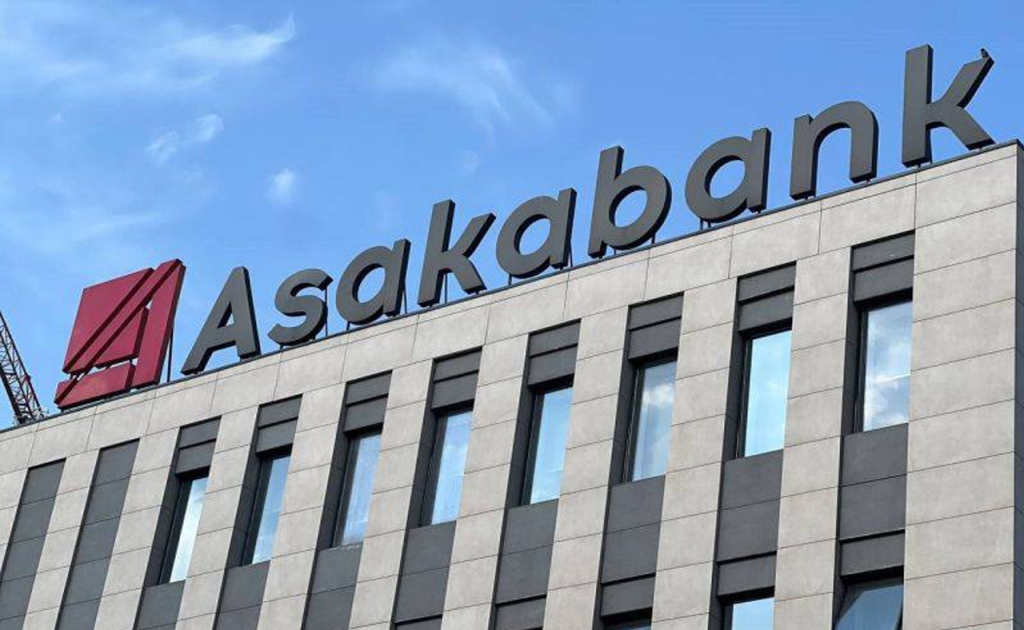
Uzbekistan accelerates Asakabank’s privatization, restructures assets, and plans significant capital infusion to reinforce financial stability and modernize banking operations.

Uzbek banks report strong Q1 2026 profits and asset growth, fueled by diversified income streams and expanding loan portfolios amid rising market competition.
The EU's new biometric border control system (EES) causes extensive delays and operational challenges at airports, raising concerns for the summer travel season and digital infrastructure efficiency.