Russia’s July Oil and Gas Revenues May Surpass Last Year by 60% Amid Rising Prices
Rising global oil prices boost Russia’s July energy revenues significantly despite ongoing sanctions and budget challenges.
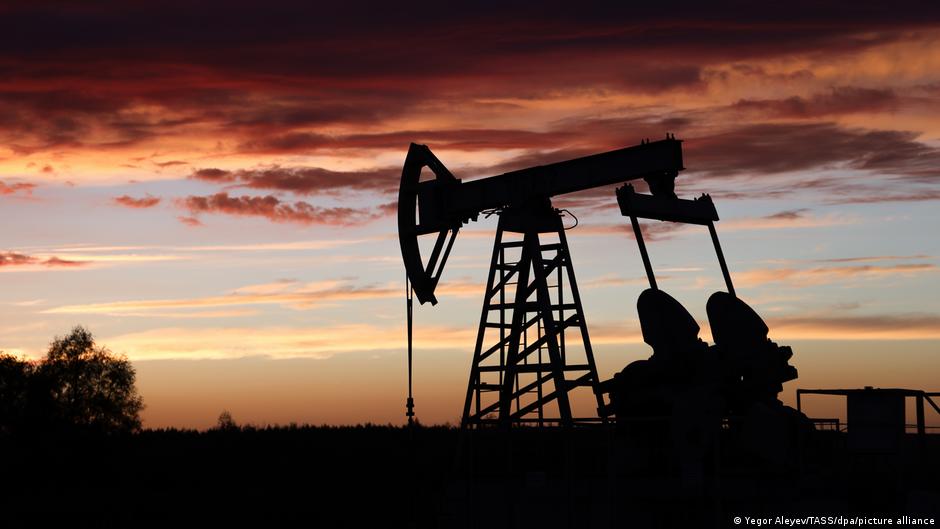
Russia’s income from oil and gas sales in July 2026 is projected to exceed the same month last year by approximately 60%, according to calculations by global news agency Reuters. This surge is primarily driven by the recent rise in global oil prices, providing a notable uplift in one of Russia's key revenue streams.
Impact of Oil Price Dynamics on Russia’s Budget
As the world's third-largest oil producer and exporter, trailing only the United States and Saudi Arabia, Russia heavily relies on revenues from its oil and gas sector. These revenues constitute roughly one-fifth of the federal budget’s total income. The steep increase in July earnings is attributed not only to higher global prices but also to a significant rise in profit tax collections from oil extraction activities during the second quarter of 2026.
“Russia’s July oil and gas revenues may rise 60% year-on-year due to increased global prices and higher profit tax receipts.”
Despite the July outlook, the overall revenues from oil and gas between January and July 2026 are forecasted to be about 11% lower than the same period in 2025, amounting to 4.9 trillion rubles. The Ministry of Finance is scheduled to release official data on July’s energy sector revenues on August 5.
Last year, the Russian federal budget saw a 24% decline in oil and gas revenues, falling to 8.48 trillion rubles — the lowest since 2020, highlighting ongoing fiscal pressures on the energy-dependent economy.
Sanctions and Economic Implications for Energy Payments
On July 23, the European Union implemented its 21st package of sanctions targeting Russia, which includes measures aimed at curbing Russian oil revenue inflows. These sanctions are designed to restrict financial flows that the EU believes fund Russia’s military operations in Ukraine. Such actions add complexity to Russia’s energy sector revenue management and pose significant challenges for its budgeting and economic planning.
From a fintech and digital economy perspective, these dynamics underscore growing risks and opportunities in payments and financial infrastructures related to energy exports. The fluctuating revenues impact currency flows, digital payment settlements, and the valuation of related tech stocks, including companies specializing in energy finance and commodity trading platforms.
Moreover, ongoing sanctions elevate cybersecurity and compliance demands for financial institutions involved in cross-border transactions with Russia, emphasizing the need for enhanced digital monitoring and regulatory technology solutions in payment ecosystems linked to the energy sector.