Poland Signs Controversial EU Loan Agreement to Boost Defense and Cybersecurity Spending
Poland secures nearly €44 billion EU loan under SAFE program, with significant investment in defense technology and cybersecurity.
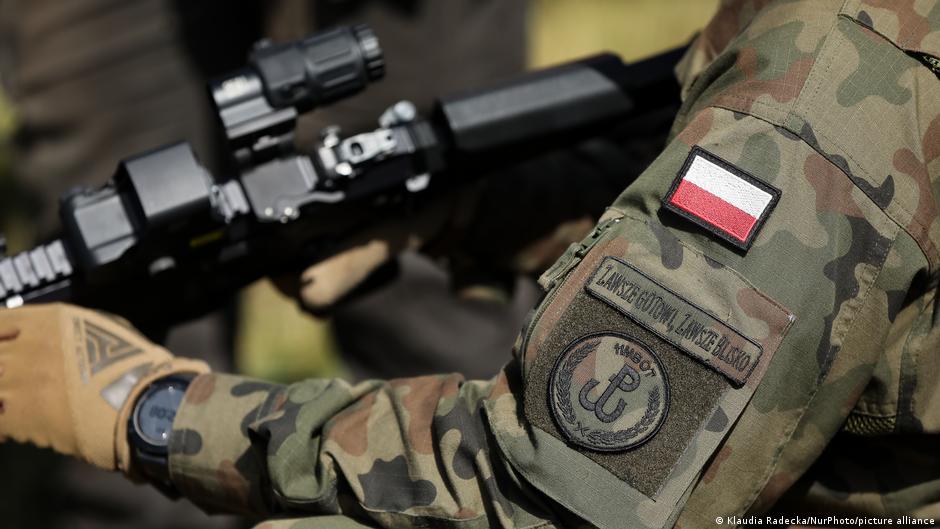
Poland has become the first European Union member state to sign a loan agreement under the EU's Security Action for Europe (SAFE) program, securing approximately €43.7 billion for the modernization of its armed forces. This loan represents nearly one-third of SAFE's €150 billion budget allocated for defense upgrades across all EU countries.
Strategic Investment in Defense and Cybersecurity
The agreement, signed by Poland's defense minister Vladislav Kosiniak-Kamysz, finance minister Andrzej Domański, representatives from the National Economy Bank, and EU commissioners for defense and budget, aims to bolster Poland's defense industry and enhance its military capabilities. According to Prime Minister Donald Tusk, 89% of the borrowed funds will be directed towards Polish defense companies and their partners, marking an unprecedented level of national investment within the EU framework.
“No other participant country in the program will invest such substantial sums into their industry,” Prime Minister Tusk emphasized.
Minister Kosiniak-Kamysz highlighted that the SAFE funds would not only be used to equip all military branches with modern technology but also allocated partially to cybersecurity initiatives, addressing growing threats in the digital domain.
The first tranche of €6.5 billion is expected imminently, with around 40 contracts slated for signing by the end of May. Government spokesperson Magdalena Sobkowiak-Charnecka indicated that defense firms must establish production capabilities by 2030, ensuring long-term industrial growth and technological advancement.
Loan Disbursement and Oversight Mechanisms
Funds under the SAFE program will be disbursed semi-annually, in October and April, with continued releases contingent upon Poland submitting detailed reports on project progress to the European Commission. Notably, Poland is granted a grace period of ten years before principal repayments commence, providing fiscal flexibility to implement extensive modernization efforts.
This agreement follows months of domestic debate, as President Karol Nawrocki had vetoed Poland's participation in SAFE in March, citing concerns over the loan's long-term financial burden estimated to reach approximately €41 billion in interest over 45 years.
Despite the veto, the Polish government clarified that borrowing could proceed exclusively for military purposes. However, Prime Minister Tusk later indicated intentions to extend SAFE-funded investments beyond the military to include border security, firefighting services, and police forces.
Implications for Digital Economy and Security
From a fintech and digital economy perspective, Poland's commitment to allocating part of the €43.7 billion towards cybersecurity signals a strategic initiative to fortify digital infrastructure against increasingly sophisticated cyber threats. This investment is poised to enhance not only national security but also the resilience of Poland's financial systems and digital enterprises.
The scale of funding directed at defense technology and cybersecurity may also invigorate related sectors, including digital banking security providers, cybersecurity startups, and technology firms, possibly influencing tech stock performance and innovation trajectories within Poland and the broader EU market.
Overall, Poland's engagement with the SAFE program exemplifies a significant intersection of defense modernization and digital economy priorities, underscoring the evolving role of large-scale financial mechanisms in shaping Europe's security and technological landscape.