
Business
Starlink Arson Probe in Poland Raises Digital Infrastructure Risks
A probe into an arson attack on a Polish Starlink facility is focusing on a Turkish crime group and possible links to Russian intelligence.
Editorial Team · Oct 17, 2026
A probe into an arson attack on a Polish Starlink facility is focusing on a Turkish crime group and possible links to Russian intelligence.
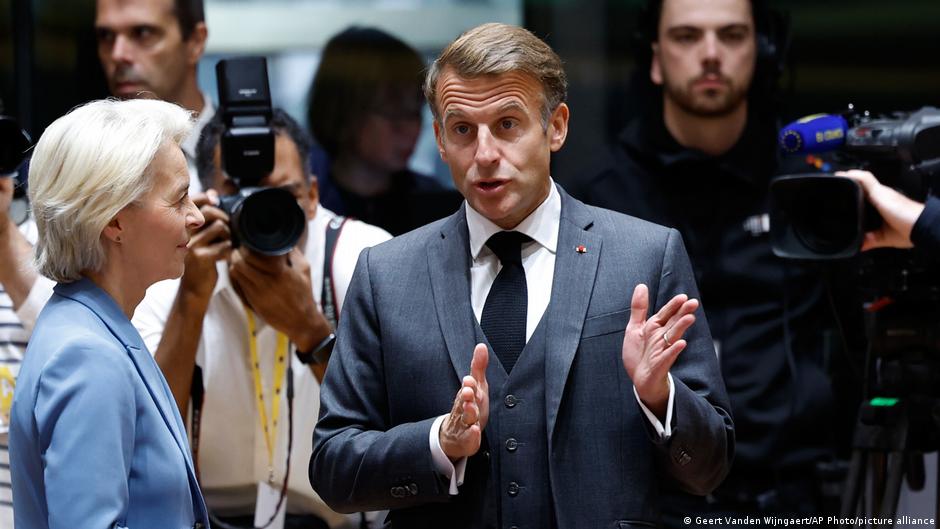
EU leaders failed to agree on a seven-year budget as proposed cuts to research and new levies on digital services and cryptoassets divided member states.

Western embassies are weighing Kyiv relocation plans as Russian strikes hit energy infrastructure and data centers, raising risks for Ukraine’s digital economy.

Maria Kolesnikova urges the EU to use diplomacy and sanctions to free Belarusian political prisoners and limit Russia’s influence.
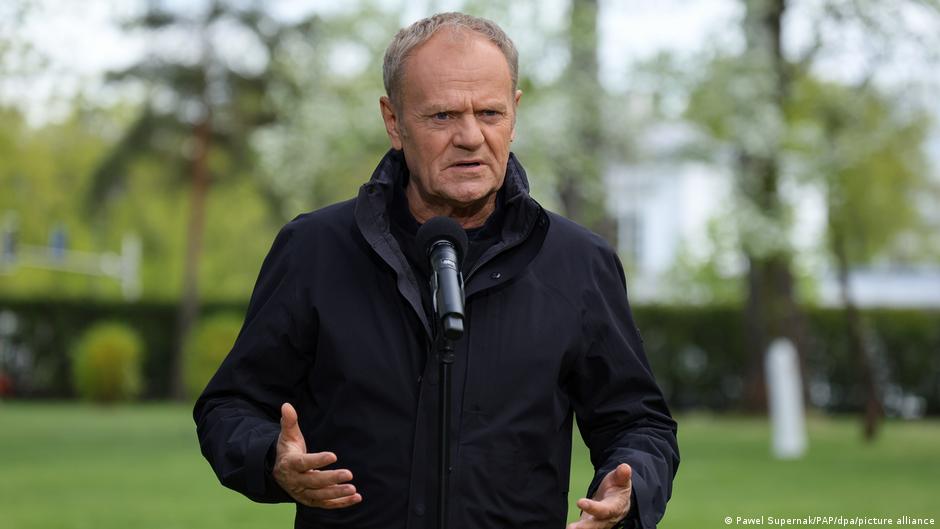
European leaders reacted sharply to AfD’s projected win in Saxony-Anhalt, a result that could heighten political risk for fintech and digital markets.

U.S. envoys discussed Ukraine peace plans with Putin and are heading to Kyiv, with fintech markets watching sanctions, payments and cyber risk.

Over 8.4 million Ukrainians live abroad amid conflict, driving demand for fintech services, digital payments, and secure cross-border financial solutions.
NATO considers deploying tactical nuclear weapons in Finland, Poland, and Lithuania, raising security and digital economy concerns amid Russian threats.

The US lifts sanctions on Miami-based Bel-Kap-Steel, linked to Belarusian steel giant BMZ, amid significant releases of political prisoners and broader easing of penalties.

Germany's record €124.7 billion defense budget for 2026 will boost cybersecurity and digital infrastructure, influencing fintech and digital banking sectors amid NATO commitments.

Poland deported 11 individuals linked to Russia-funded protests aimed at influencing Ukrainian refugee communities, highlighting risks in digital payment systems used in geopolitical campaigns.

Ukraine’s Zelensky proposes a National Pantheon and European Order amid tensions with Poland, affecting regional digital economy cooperation and fintech development.
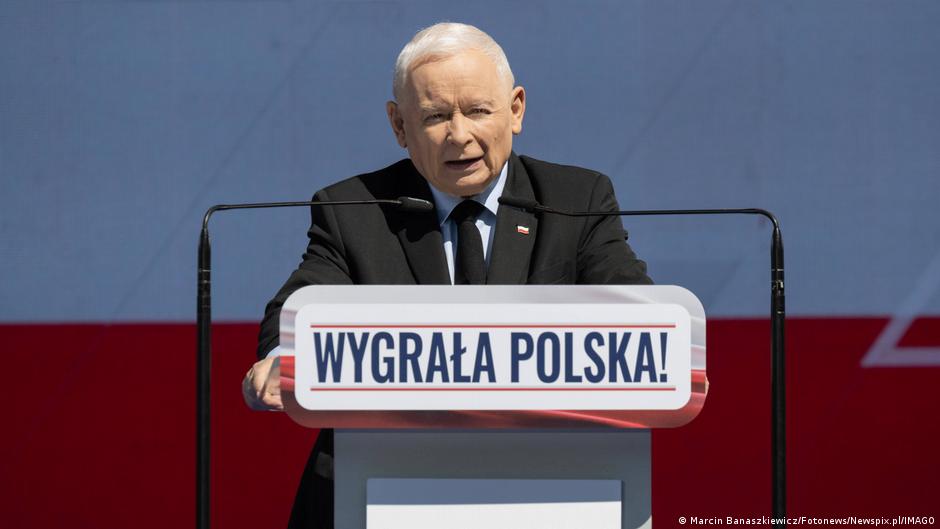
Polish opposition leader Jarosław Kaczyński urges blocking Ukraine's EU accession, citing diplomatic tensions and domestic political concerns amid ongoing regional challenges.
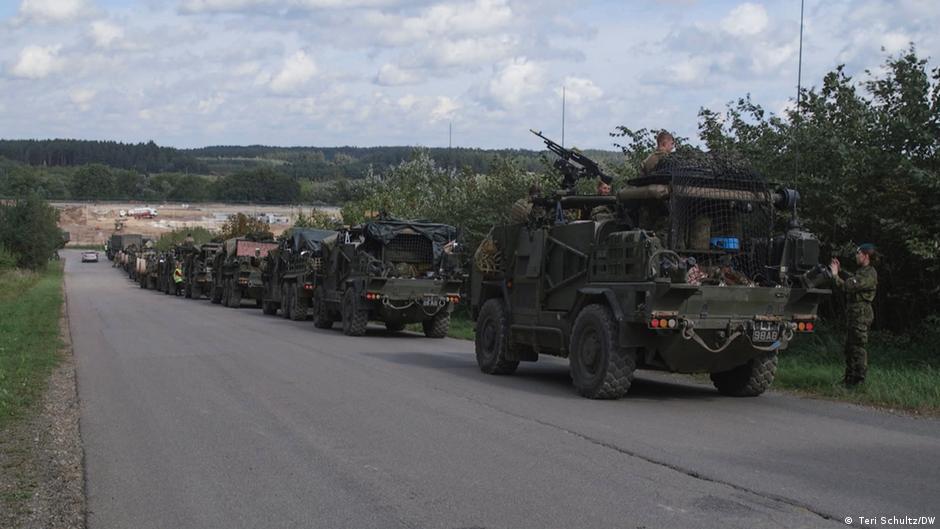
Lithuania, Poland, and France conduct joint military exercises near the Suwalki Corridor to strengthen defense and ensure NATO connectivity, highlighting security implications for fintech and digital infrastructure.

Hungary reinstates its ban on Ukrainian agricultural imports after a procedural error led to its lapse, affecting regional trade and fintech payment ecosystems.

President Trump announces deployment of 5,000 additional US troops to Poland, reversing earlier plans and reflecting shifts in US military posture in Europe.
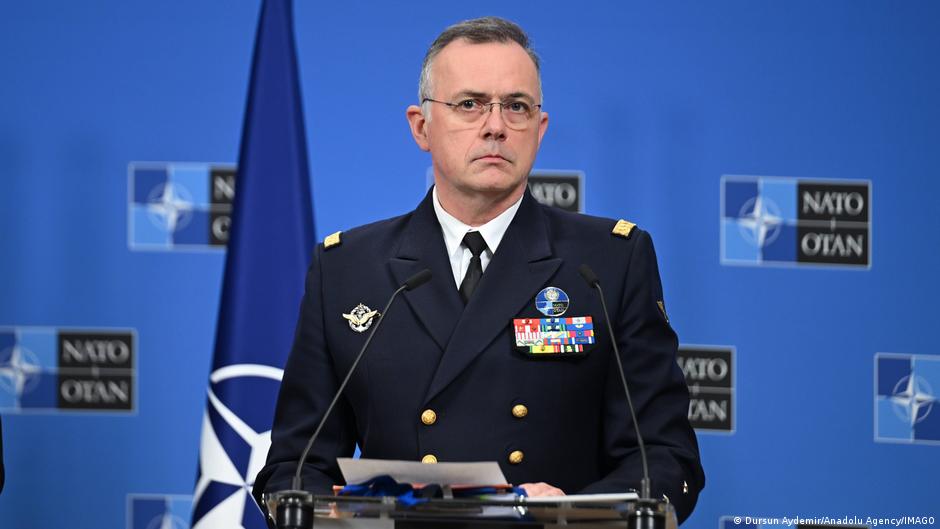
NATO confirms ongoing delivery of US air defense missiles to Ukraine under the PURL program, strengthening Ukraine's defense and European security amid evolving threats.

Following Hungary's political shift, former Polish Justice Minister Zbigniew Ziobro, wanted for corruption, has relocated to the US, raising fintech and cybersecurity concerns.
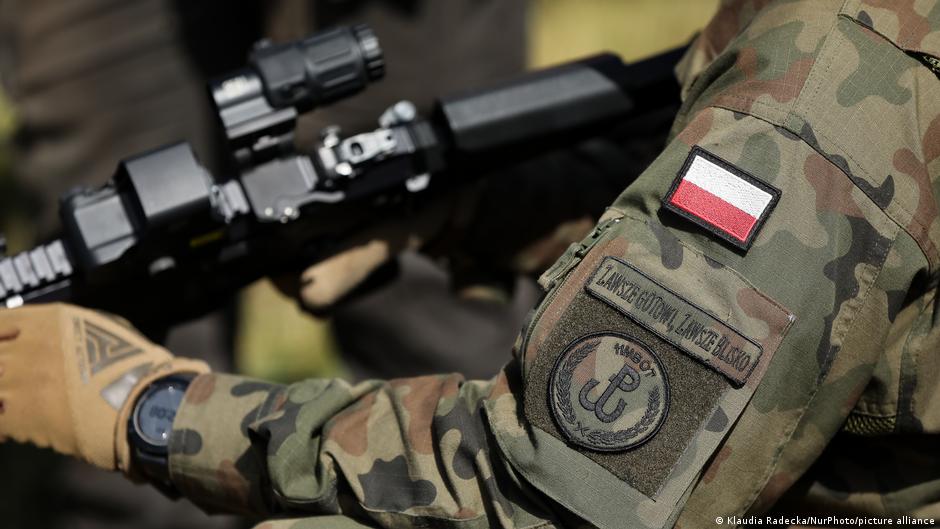
Poland has signed a €43.7 billion EU loan agreement under SAFE to modernize its defense forces and enhance cybersecurity, despite earlier presidential veto concerns.

The potential relocation of US troops from Germany to Poland may accelerate digital defense investments and impact cybersecurity and fintech sectors in Eastern Europe.
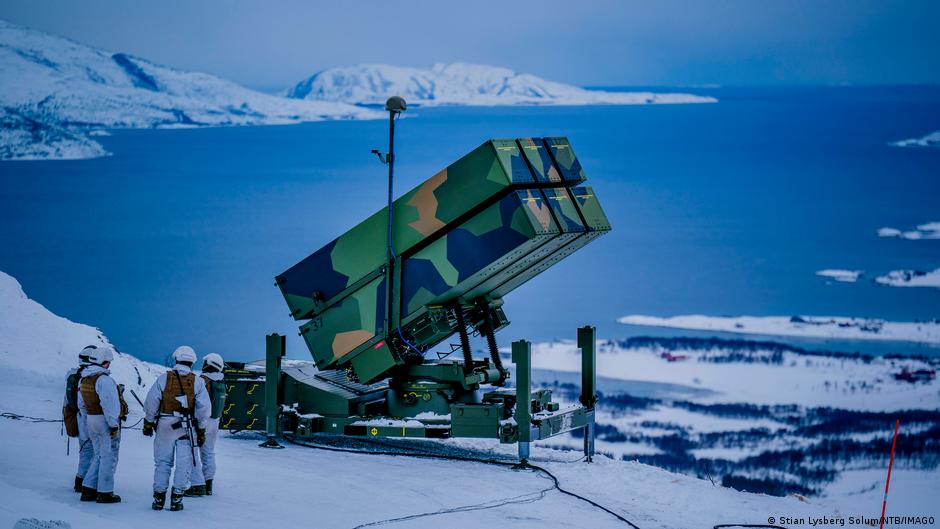
US warns European allies of significant delays in missile system ammunition shipments due to urgent replenishment amid conflict with Iran, impacting defense supply chains and allied readiness.
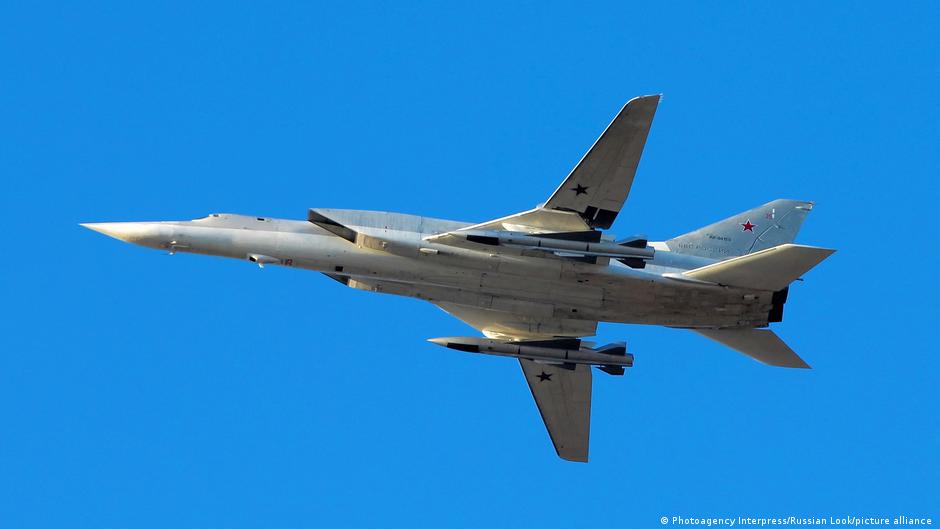
NATO intercepted Russian bombers and fighters over the Baltic Sea, highlighting regional security risks with potential impacts on digital banking, fintech, and cybersecurity.

France and Poland are jointly developing a military satellite to provide secure communications for Poland's armed forces, reducing reliance on external systems like Starlink.