Lithuania, Poland, and France Conduct Military Exercises Near Suwalki Corridor Amid NATO Security Concerns
Joint drills focus on protecting the strategic Suwalki Corridor, vital for Baltic states’ connectivity with the EU and NATO.
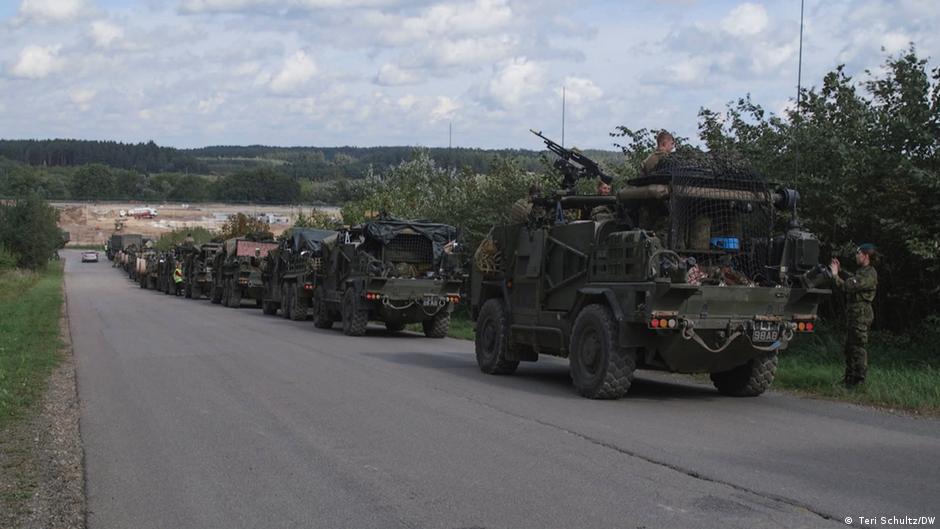
From June 16 to 26, Lithuania, Poland, and France are conducting joint military exercises near the Suwalki Corridor, a critical narrow land passage connecting the Baltic states with the rest of the European Union and NATO. These maneuvers, dubbed "Gallant Boar 2026," aim to enhance infantry coordination, operational synchronization, and defensive capabilities in the strategically sensitive region.
Strategic Importance of the Suwalki Corridor
The Suwalki Corridor stretches less than 100 kilometers between the Russian exclave of Kaliningrad and Belarus. It represents the only land link connecting Lithuania, Latvia, and Estonia to their NATO allies and the broader EU territory. Consequently, it remains a focal point of military planning and exercises amid escalating concerns over potential Russian attempts to disrupt this connection.
"The corridor's security is paramount to NATO and the EU, as its disruption could effectively isolate the Baltic states," analysts note. Lithuania and Poland have increased military patrols along the corridor and are bolstering their defense infrastructure. Lithuania recently approved the construction of a new military training range near the Suwalki Corridor, expected to accommodate up to 4,000 troops upon completion in 2028.
French troops are also participating in the drills alongside Lithuanian mechanized dragoons and the Žemaitija Infantry Brigade, with a focus on joint infantry operations and alliance interoperability. These exercises underscore the commitment of NATO allies to maintain readiness in the region.
Implications for Security and Digital Defense
While these military preparations primarily concern physical defense, they have parallel implications for the fintech and digital economy sectors, particularly in terms of cybersecurity and resilient digital infrastructure. The security of cross-border digital payments, digital banking services, and critical financial technology platforms depends heavily on stable geopolitical conditions and secure communication lines.
"Heightened military tensions in Eastern Europe necessitate advanced cybersecurity measures to protect digital financial ecosystems from potential disruptions or cyberattacks linked to geopolitical conflict," cybersecurity experts emphasize.
Moreover, NATO's plans to establish a new command structure to accelerate troop deployment in Estonia and Latvia reflect an emphasis on rapid response capabilities, which also extends to safeguarding digital assets and critical infrastructure. This approach aligns with global trends where military and digital security strategies increasingly converge.
Intelligence assessments reveal that Russia continues to expand its military presence along its western borders, with satellite imagery confirming new and enlarged bases. Finnish defense expert Marko Eklund estimates that approximately 115,000 Russian troops may be stationed near European borders post-Ukraine conflict. This build-up sustains concerns about future escalations that could destabilize the region and impact international markets, including tech stocks linked to defense and cybersecurity sectors.
Despite these developments, NATO officials, including General Christopher G. Cavoli, commander of Allied Land Command, maintain that Russia is unlikely to pursue open confrontation with the alliance due to NATO's asymmetric advantages in technology and defense capabilities. This dynamic underscores the complex interplay between military preparedness and technological resilience in safeguarding European security.
In summary, the joint exercises near the Suwalki Corridor demonstrate how military readiness in geopolitically sensitive areas intertwines with the stability of the digital economy. For fintech companies, digital banks, and cybersecurity firms, the evolving security landscape in Eastern Europe necessitates strategic vigilance and innovation to ensure continuity and protect digital assets amid geopolitical uncertainties.