Austria Plans to Extend Mandatory Military Service Amid Rising Security and Cyber Threats
Austria aims to lengthen compulsory military service to nine months, integrating field exercises and increased pay to enhance national defense capabilities.
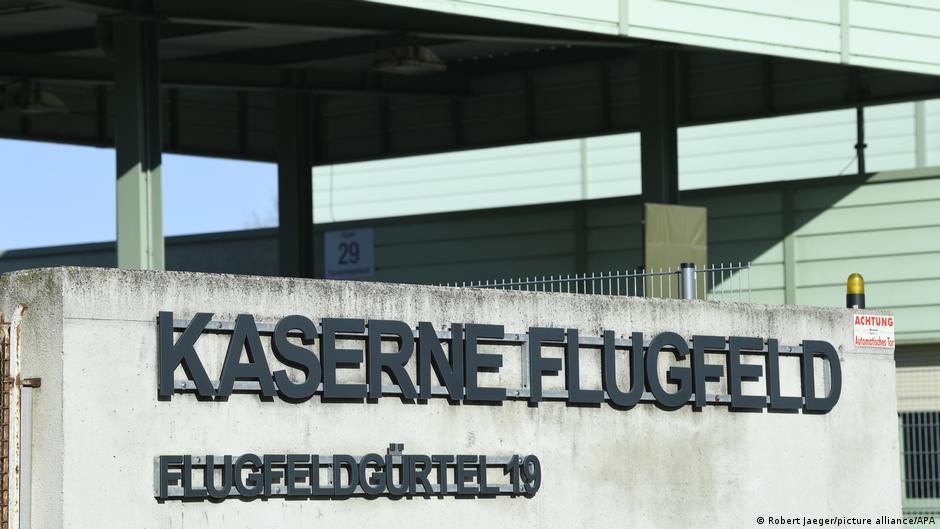
Austria is set to extend the duration of its mandatory military service from six to nine months, a move driven by evolving security challenges including cyber threats and hybrid warfare. The government announced this proposal on July 27, following extensive negotiations among the ruling coalition parties: the conservative Austrian People's Party (ÖVP), the Social Democratic Party (SPÖ), and the liberal Neos party.
New Military Service Model and Cybersecurity Concerns
The reform not only lengthens the base training period but also incorporates mandatory field exercises post-training. These exercises, which can be undertaken as part of the militia, will remain available for conscripts at any time within a ten-year window. This phased approach aligns with recommendations from expert commissions aimed at enhancing the readiness and operational capabilities of Austria’s military forces.
"It is not enough to simply acquire new equipment if our soldiers do not have sufficient practical experience handling it in emergencies," stated Federal Chancellor Christian Schallenberg, emphasizing the need for practical military preparedness in the face of evolving threats.
In addition to extending service time, the reform will introduce improved incentives to attract and retain conscripts. Planned measures include increased monthly pay of up to €1,000 and the allocation of vacation days during service. These steps aim to make military service more appealing, which is vital given the heightened security environment in Europe following Russia’s invasion of Ukraine.
The government specifically highlighted the increasing risks posed by cyberattacks and hybrid warfare to Austria’s critical infrastructure, framing the military reform as a necessary response to these modern threat vectors. While Austria remains a neutral country and is not a member of NATO, the government stresses the importance of strengthening national defense capabilities in this uncertain geopolitical context.
Legislative Process and Future Outlook
The proposed amendments now require parliamentary approval, needing a two-thirds majority to pass. To secure this, the coalition is seeking support from the Austrian Freedom Party (FPÖ) and the Green Party. If ratified, the new measures are expected to take effect from January 1, 2027.
Currently, the reforms do not affect the length of civilian service, which is set at nine months. However, starting in 2027, conscripts may voluntarily extend civilian service by two months, with this extension becoming mandatory from 2028 if recruitment targets are not met.
This military reform reflects a broader shift in Austria’s strategic posture, recognizing that traditional defense strategies must evolve to address contemporary challenges such as cybersecurity threats and the complexities of hybrid warfare. For the fintech and digital economy sectors, this escalation underscores the critical importance of securing digital infrastructure and safeguarding financial systems from potential cyber intrusions.