NATO Confirms Continued Delivery of US Air Defense Missiles to Ukraine Under PURL Program
The US-NATO PURL initiative ensures ongoing supply of critical American air defense weapons to Ukraine amid evolving security challenges.
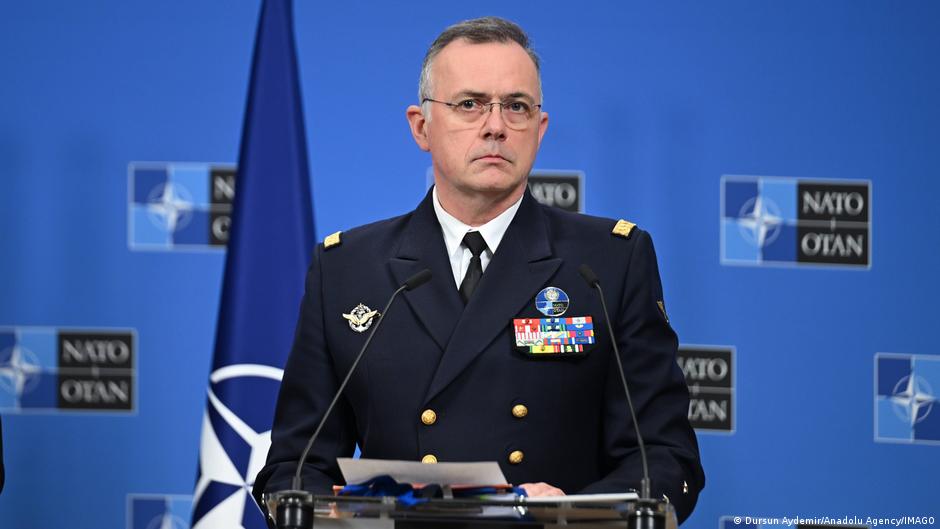
NATO has reaffirmed the continuous delivery of American-made weapons, including air defense missiles, to Ukraine through the Priority Ukraine Requirements List (PURL) program. This initiative provides Ukraine with crucial military equipment funded by allied countries to meet urgent battlefield needs, underscoring the alliance's commitment to regional security and defense innovation.
Strengthening Ukraine’s Air Defense Capabilities Through PURL
General Christopher G. Cavoli, Commander of NATO Allied Land Command in Europe, highlighted the ongoing shipments at a press conference following the NATO Military Committee meeting in Brussels on May 19. "Regarding PURL, I want to assure you that all that allies have paid for is being delivered, including interceptor missiles for air defense systems that Ukrainian forces so urgently require," he stated.
The PURL program is a US-NATO-led procurement framework that pools funds from participating countries to quickly acquire and deliver American-made weapons prioritized by Ukraine, USA, and NATO. This mechanism is vital because certain advanced systems cannot be substituted by European equivalents, ensuring timely reinforcement of Ukraine's defense capabilities.
"The armed forces of Ukraine continue to demonstrate exceptional resilience and innovation, particularly in countering Russian and Iranian drones and missiles," said General Cavoli.
Despite the conflict entering its fifth year, Ukraine's military has adapted rapidly, sharing combat-tested strategies especially in drone and missile defense. Continuous and predictable support through the PURL program remains essential to sustain these efforts.
Implications for European Security and Military Posture
General Cavoli emphasized that Western investments in Ukraine's defense not only protect Ukrainian civilians and critical infrastructure but also bolster broader European security architecture. This support aligns with NATO's regional defense plans, even as the United States plans to reduce its troop presence in Europe.
Responding to concerns about US troop drawdowns, Cavoli clarified that the planned withdrawal of 5,000 American soldiers from Europe does not undermine NATO’s regional defense commitments. Instead, allied countries such as the Baltic states and Poland have increased their ground forces, including the expansion of multinational brigades led by Canada and Germany. This coalition-building enhances collective defense capabilities while allowing the US to reallocate resources to other global priorities.
Regarding a recent incident involving a reportedly Ukrainian drone that entered Estonian airspace and was intercepted by a Romanian fighter jet, General Cavoli praised the tactical autonomy and rapid response of NATO forces. "Authorities delegate power down to the lowest tactical level so that every inch of alliance territory can be defended in case of incursion," he said, underscoring NATO’s operational readiness.
Furthermore, NATO addressed disinformation propagated by Russian intelligence claiming Latvia facilitates drone strikes against Russia and threatening "just retribution" despite Latvia’s NATO membership. General Cavoli dismissed these assertions as unfounded and emphasized, "If we wanted to allow drones to traverse Baltic airspace to reach Russia, we would not be shooting them down." This statement reinforces NATO’s commitment to alliance airspace sovereignty and countering hybrid threats.
Overall, the continuous delivery of American air defense missiles and other PURL-funded weapons represents a critical pillar of Ukraine’s defense strategy while reinforcing the transatlantic alliance’s posture amidst ongoing geopolitical tensions and evolving cyber-physical threats in the digital age.