Former Polish Minister Fleeing Justice Relocates from Hungary to US Amid Legal Disputes
Ex-Polish Justice Minister, wanted in Poland, moves to the US after Hungary’s political shift threatens his asylum status.
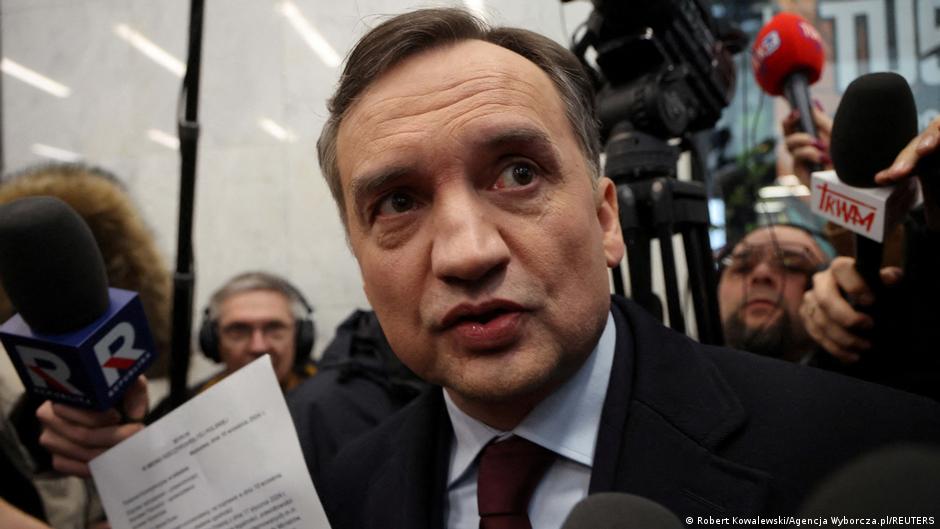
The recent political changes in Hungary have had significant repercussions for a group of Polish officials who had previously sought refuge there. Among them is Zbigniew Ziobro, Poland's former Minister of Justice, who fled Hungary and arrived in the United States amid ongoing legal pursuits by Polish authorities.
Political and Legal Context of the Exile
Zbigniew Ziobro, a notable figure in Poland's conservative Law and Justice party (PiS), faces multiple criminal charges in his home country, including allegations of corruption, embezzlement, and abuse of power. Notably, investigations involve the misuse of special funds allocated to crime victims, including the controversial purchase of Israeli Pegasus spyware purportedly used for surveillance of political opponents during PiS’s governing tenure from 2015 to 2023.
During Viktor Orbán's administration in Hungary, Ziobro and his deputy Marcin Romanowski were granted asylum, with the Hungarian government viewing the charges as politically motivated. However, the political landscape shifted dramatically after Orbán was succeeded by Peter Madiar in 2026, who pledged to end Hungary’s role as a sanctuary for foreign fugitives.
"We will fight to ensure Hungary does not become a haven for foreign criminals," Madiar declared during his campaign, signaling a new approach to extradition policies.
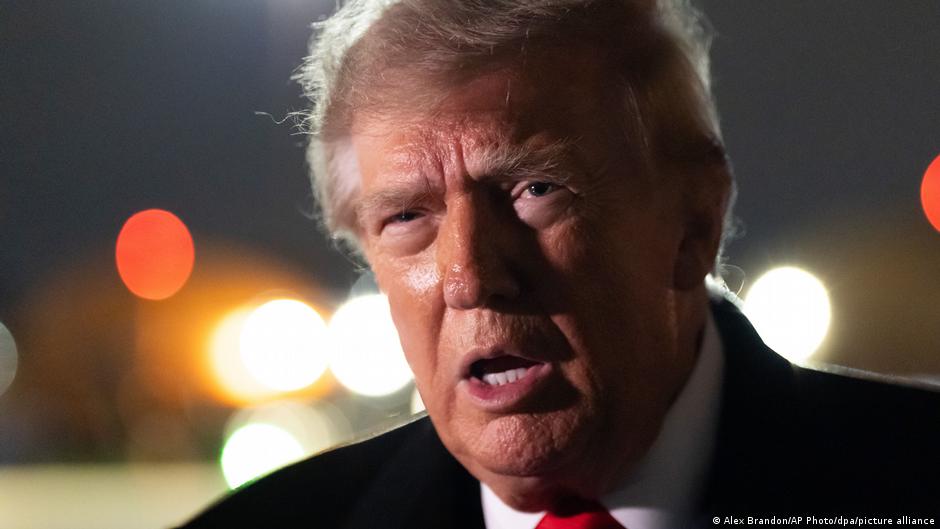
Following the election victory of Madiar’s Tisa party in April 2026, Hungary’s stance on extradition softened. Soon after, Ziobro reportedly left Hungary and arrived in the US on a working visa, ostensibly linked to his role as a political commentator for the Polish right-wing channel Republika. The channel confirmed his move, framing it as a professional engagement, and some media reports suggest that US visa issuance was personally approved during the Trump administration, reflecting PiS’s connections to pro-Trump MAGA groups.
Implications for Fintech, Security, and Cross-Border Digital Governance
This evolving situation highlights the complex interplay between politics, international law, and digital security, with notable ramifications for fintech and cybersecurity sectors. The case underscores how politically charged digital surveillance tools—such as the Pegasus spyware—can become central in corruption and legal disputes, affecting cross-border cooperation and trust.
The alleged misuse of Pegasus spyware by government officials raises critical cybersecurity concerns. Pegasus, developed to target mobile devices, has been linked globally to privacy breaches and political espionage. Its procurement and deployment in Poland exemplify how powerful digital tools can be weaponized in domestic political conflicts, increasing scrutiny on digital rights, surveillance ethics, and regulatory oversight.
Furthermore, cross-border movement of politically exposed persons (PEPs), including Ziobro’s relocation from Hungary to the US, presents challenges for digital banking and financial monitoring systems. Ensuring compliance with international anti-money laundering (AML) and know-your-customer (KYC) regulations becomes even more complex when fugitives leverage digital identities and international visa regimes to circumvent legal restrictions.
"This case reflects the growing need for robust digital governance frameworks that link immigration controls, financial transparency, and cybersecurity," says an expert in fintech compliance. "Governments and financial institutions must collaborate internationally to prevent abuse of digital systems by politically exposed individuals fleeing justice."
Polish authorities have announced that they will seek clarifications from both Hungary and the United States regarding Ziobro’s border crossing without valid documents, as his Polish passport had been confiscated. Warsaw also affirmed its commitment to pursuing legal accountability through extradition requests, although Ziobro has acknowledged the complexity of US legal procedures in this regard.
Ultimately, the case of Zbigniew Ziobro encapsulates key themes at the nexus of politics, digital technology, and international law, emphasizing the importance of integrated strategies to address the challenges posed by digital surveillance, political asylum, and cross-border regulatory enforcement in the fintech and cybersecurity domains.