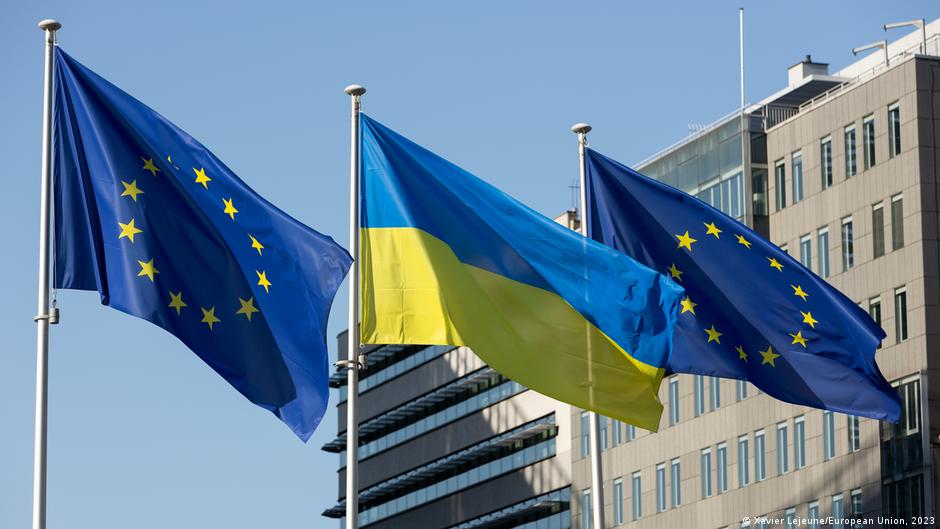
EU Agrees to Open Key Accession Clusters for Ukraine and Moldova
EU states agreed to open internal-market and competitiveness accession clusters for Ukraine and Moldova, advancing reforms tied to digital economy rules.

EU states agreed to open internal-market and competitiveness accession clusters for Ukraine and Moldova, advancing reforms tied to digital economy rules.

Hungary’s veto on key EU negotiation clusters delays Ukraine’s integration into digital economy frameworks, affecting fintech, payments, and cybersecurity progress.

France enforces stricter visa rules for Russians, requiring personal submissions and biometrics, impacting fintech services linked to cross-border payments and digital identity.

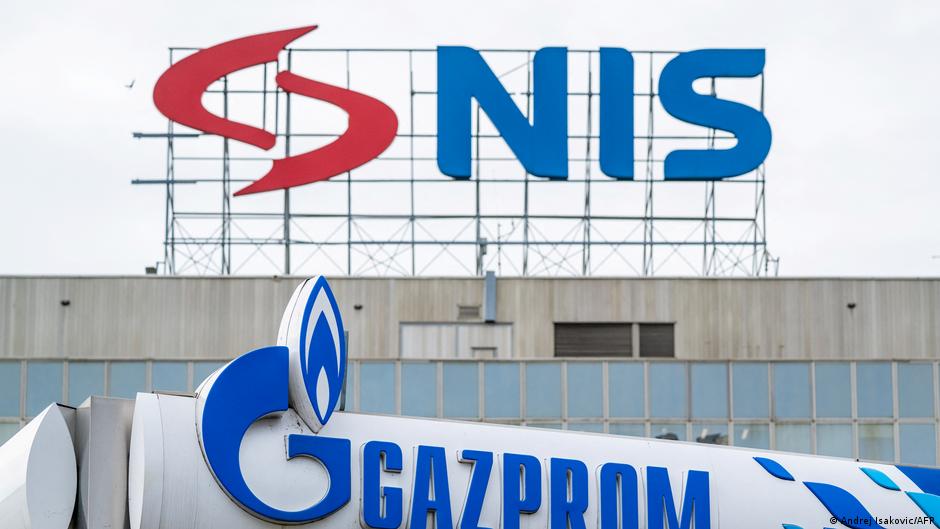
The US has once again extended a 30-day license allowing Serbian oil company NIS, controlled by Gazprom, to operate under sanctions while the sale of Gazprom’s stake faces delays.

The EU agrees to extend sanctions on Russia for one year, increasing pressure on energy and finance sectors, with implications for fintech, cybersecurity, and digital payments.

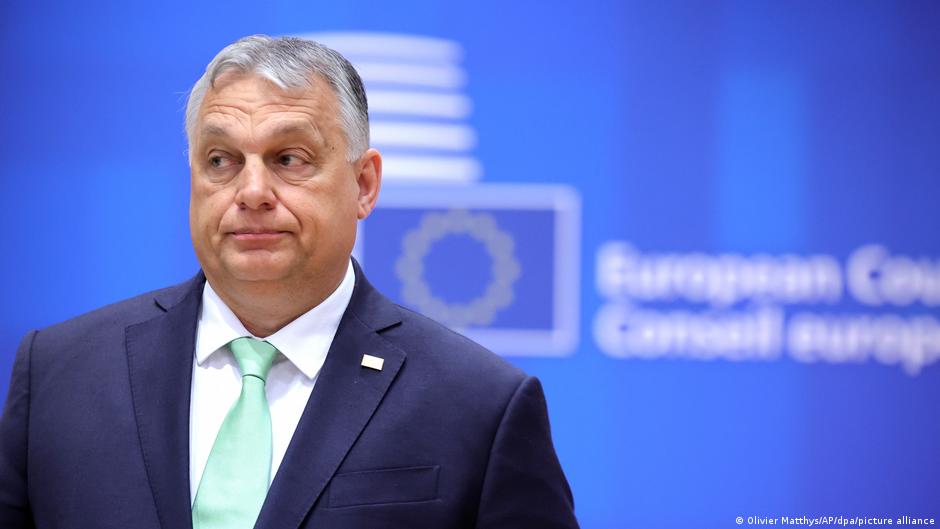
Hungary limits prime minister terms to two four-year periods, preventing Viktor Orbán’s return and impacting political dynamics in fintech and digital economy sectors.

Hungary reinstates its ban on Ukrainian agricultural imports after a procedural error led to its lapse, affecting regional trade and fintech payment ecosystems.

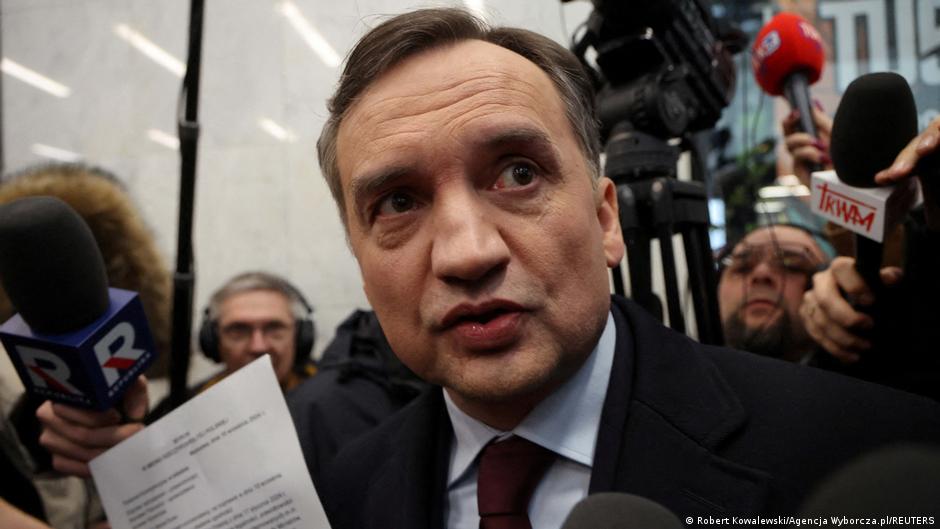
Following Hungary's political shift, former Polish Justice Minister Zbigniew Ziobro, wanted for corruption, has relocated to the US, raising fintech and cybersecurity concerns.

The UK plans to join an EU €90 billion loan program for Ukraine, enhancing defense cooperation and fintech integration between London and Brussels.

US warns European allies of significant delays in missile system ammunition shipments due to urgent replenishment amid conflict with Iran, impacting defense supply chains and allied readiness.

Hungary's new leadership seeks to unlock €35 billion in EU funds frozen due to previous governance issues, with significant implications for its fintech and digital economy sectors.

Outgoing Hungarian PM Viktor Orban declines parliamentary mandate amid leadership changes and new government plans to reverse key policies affecting EU relations and digital economy prospects.

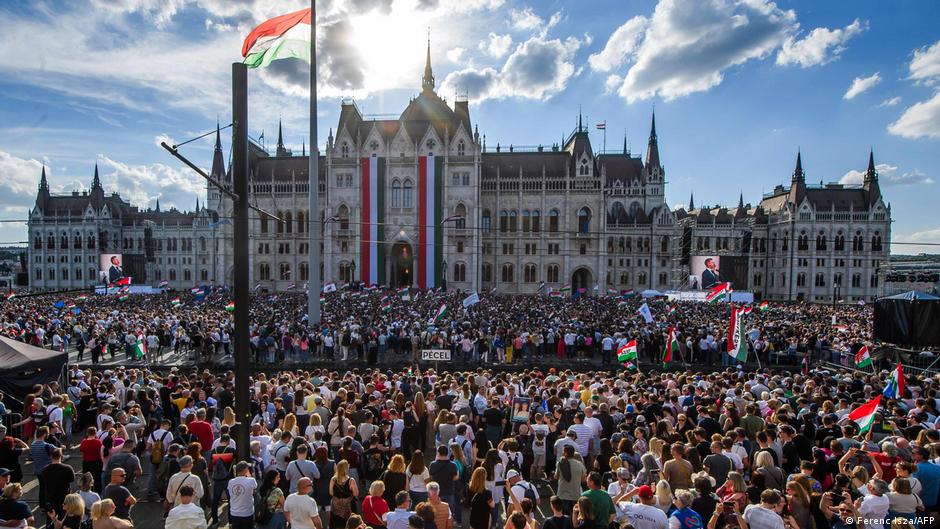
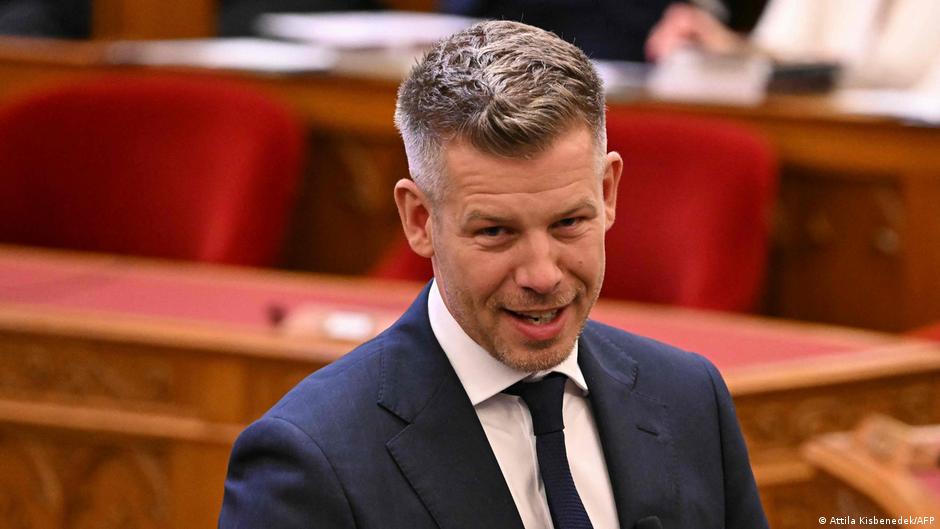
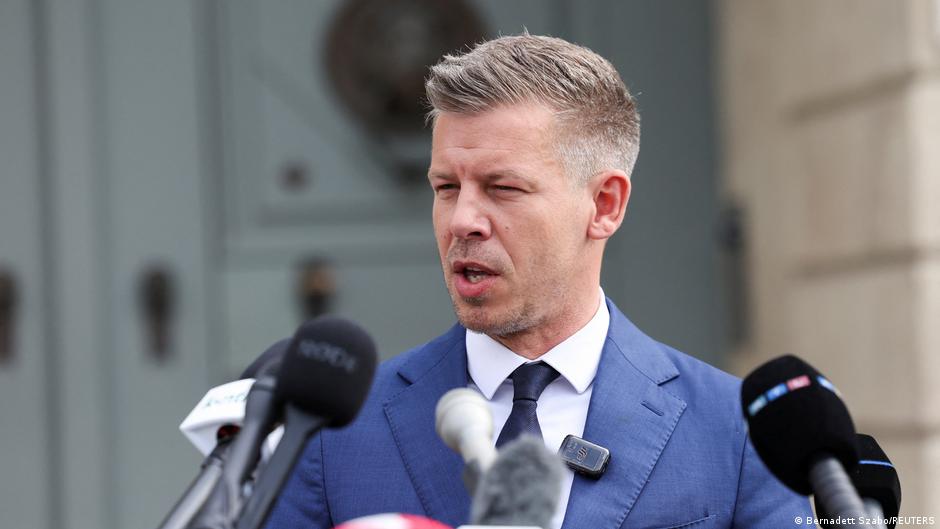
Peter Madyar’s Tisa party wins Hungary’s parliamentary majority amidst contested district results involving alleged voter confusion tactics, raising election security concerns.

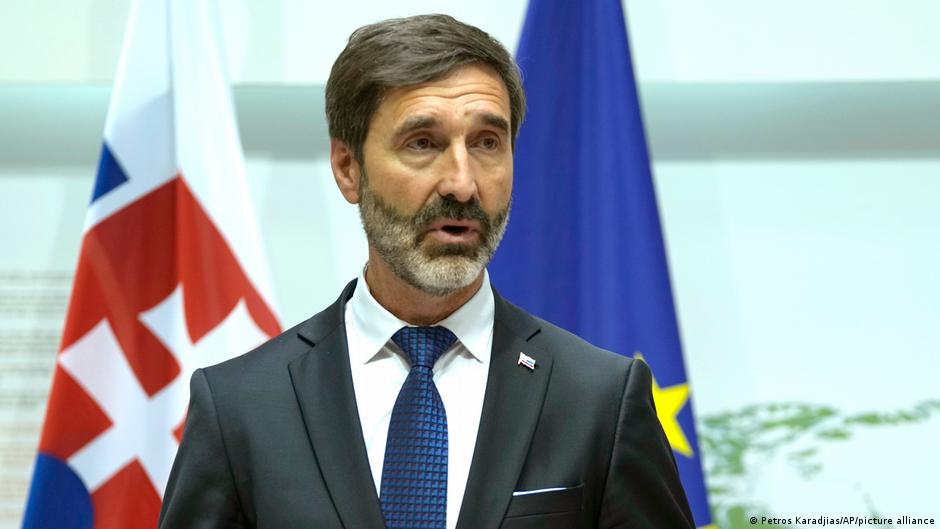
Slovakia will block the EU's 20th sanctions package on Russia until Russian oil flows resume via the Druzhba pipeline through Ukraine, impacting EU energy and financial policies.