Hungary Reinstates Ban on Ukrainian Agricultural Imports Amid Regulatory Oversight
Hungary restores import restrictions on Ukrainian farm products following a procedural lapse, impacting regional trade and digital payment flows.
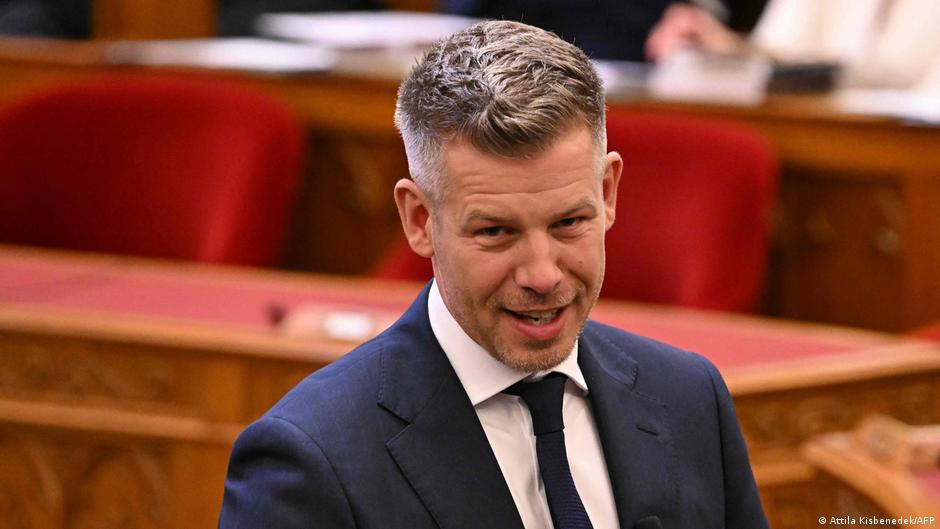
Hungary's government announced the reinstatement of its ban on agricultural imports from Ukraine after a procedural error led to an unintended lapse in the restrictions. The move, confirmed by Prime Minister Péter Magyar, comes amid broader geopolitical and trade tensions influencing the digital economy and fintech sectors across the region.
Regulatory Reversal and Economic Implications
The ban on Ukrainian agricultural products, initially imposed in April 2023 under Viktor Orbán's administration as part of emergency measures, expired on May 14, 2026, due to a legislative oversight following a change in government. Hungary quickly moved to address this by taking "urgent measures" to restore the ban, which affects around 20 product categories including beef, pork, poultry, eggs, grains, flour, and sunflower and rapeseed oils. Agriculture Minister Sabolcs Bona emphasized the government's commitment to protecting Hungarian farmers' livelihoods from competitive pressures posed by Ukrainian imports.
This regulatory reversal is poised to influence payments and trade finance ecosystems in Central Europe, where cross-border agricultural trade plays a significant role. Financial service providers facilitating transactions in these sectors may experience increased volatility and require adjustments in risk assessment and compliance protocols. Additionally, the restrictions may affect digital banking platforms and fintech companies that support supply chain financing for import-export operations.
"We will not allow Ukrainian imports to threaten the livelihoods of Hungarian farmers," Minister Bona stated, highlighting the prioritization of domestic economic stability.
Since May 2022, following Russia's full-scale invasion of Ukraine, the European Union lifted tariffs on Ukrainian agricultural goods to support Ukraine's economy. However, this policy shift led to dissatisfaction among farmers in neighboring countries, prompting Hungary, Poland, and Slovakia to introduce temporary bans on Ukrainian grain and related products.
Broader Legal and Political Context
In addition to trade measures, Hungary's new government reversed its predecessor's decision to withdraw from the International Criminal Court (ICC). The ICC, based in The Hague, investigates grave crimes such as genocide and war crimes and counts all EU member states among its participants. Hungary signed the Rome Statute in 1999 and ratified it in 2001. The previous government's attempt to exit the ICC in April 2025 was met with international concern, especially as it coincided with Israeli Prime Minister Benjamin Netanyahu's visit amid an outstanding ICC arrest warrant.
These developments underscore how shifts in national policy influence not only geopolitical alignments but also the regulatory environment affecting digital transactions, fintech compliance, and cybersecurity within international frameworks.
For fintech companies and digital banking platforms operating in Central and Eastern Europe, monitoring such political shifts is crucial. Changes in trade policies and international legal commitments can impact transaction flows, cross-border payment systems, and compliance requirements, necessitating agile adaptation strategies.