Slovakia to Block EU Sanctions on Russia Amid Dispute Over Druzhba Oil Pipeline
Slovakia insists on resuming Russian oil flows via Ukraine's Druzhba pipeline before approving the EU’s 20th sanctions package.
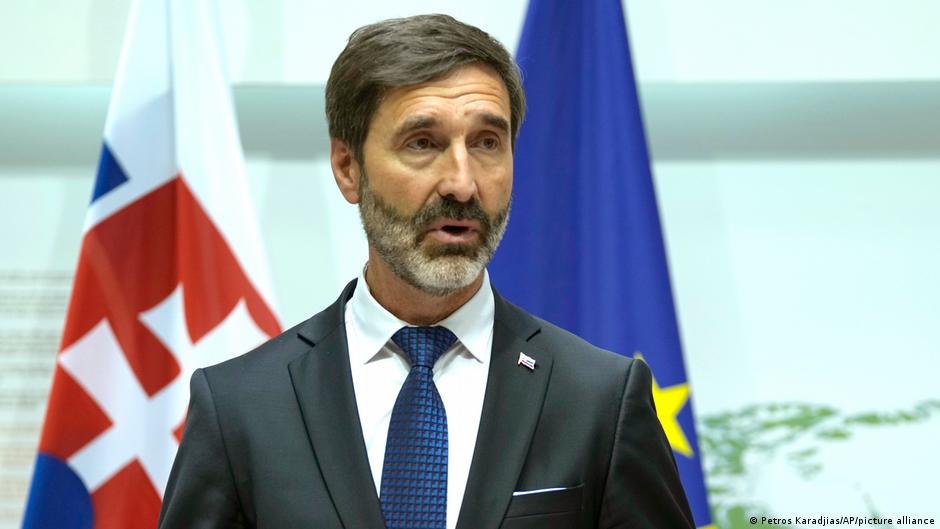
Slovakia has announced it will continue to block the European Union’s 20th sanctions package against Russia until Russian oil supplies resume through the Druzhba pipeline, which passes through Ukraine. This position was articulated by Slovak Foreign Minister Juraj Blanár during a parliamentary session on April 16.
Energy Security and Geopolitical Tensions Impacting EU Sanctions Dynamics
Minister Blanár emphasized that if the Druzhba pipeline remains non-operational when the vote on the sanctions package takes place, Slovakia will not support its adoption. "If the Druzhba pipeline does not resume operations and the 20th sanctions package is on the agenda, we will not vote 'yes'," Blanár stated. He underscored that Slovakia lacks alternative leverage to compel Ukrainian President Volodymyr Zelensky and the European Commission to reopen the pipeline.
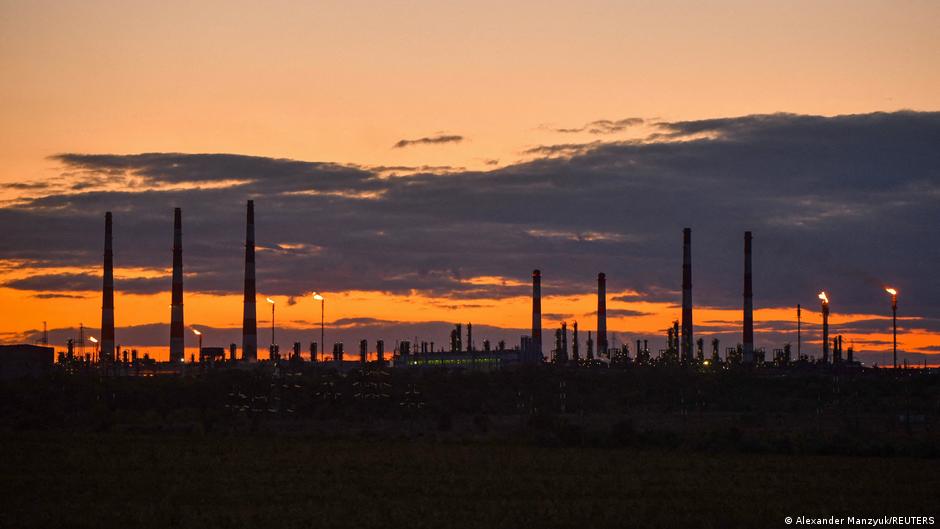
The Druzhba pipeline has been out of service since late January, following damage sustained from a reported Russian drone strike on Ukrainian territory. This disruption halted Russian oil deliveries to Slovakia and Hungary, triggering an official declaration of an "emergency situation in the oil sector" by the Slovak government in mid-February.
Both Slovakia and Hungary have accused Kyiv of delaying repairs and using the damage as a pretext for continuing to block oil transit. This disagreement has heightened tensions within the EU, with Hungarian Prime Minister Viktor Orbán vetoing both the 20th sanctions package and the EU’s multi-billion-euro credit extension to Ukraine.
However, Slovakia has clarified it will not oppose the EU’s proposed €90 billion credit package for Ukraine, distinguishing its stance on sanctions from financial aid. Concurrently, Hungary’s newly victorious parliamentary party, Tisza, led by Péter Mádiar, pledged not to block the credit deal but indicated Hungary would abstain from contributing funds to Kyiv.
Earlier in March, Slovak Prime Minister Robert Fico had threatened to follow Hungary's lead in obstructing EU financial support to Ukraine should Hungary’s ruling party lose elections. This position highlights the complex interplay of regional politics affecting broader EU policy decisions.
In response to the standoff, Kyiv agreed in March to accept EU assistance for the pipeline’s repair. Ukrainian President Volodymyr Zelensky later announced on April 14 that the Druzhba pipeline could potentially resume operations before the end of the month, signaling a possible easing of energy supply tensions.
"If the Druzhba pipeline does not resume operations and the 20th sanctions package is on the agenda, we will not vote 'yes'." – Juraj Blanár, Slovak Foreign Minister
This episode underscores how energy infrastructure and geopolitical disputes continue to influence the EU’s sanction policies and financial support mechanisms amid the ongoing conflict in Ukraine. It also highlights the vulnerability of European energy supply chains and the challenges to cohesive policy-making within the bloc.