EU Extends Sanctions on Russia for One Year, Impacting Energy and Financial Sectors
The European Union agrees to prolong sanctions against Russia for 12 months, signaling intensified pressure on Russian economy amid geopolitical tensions.
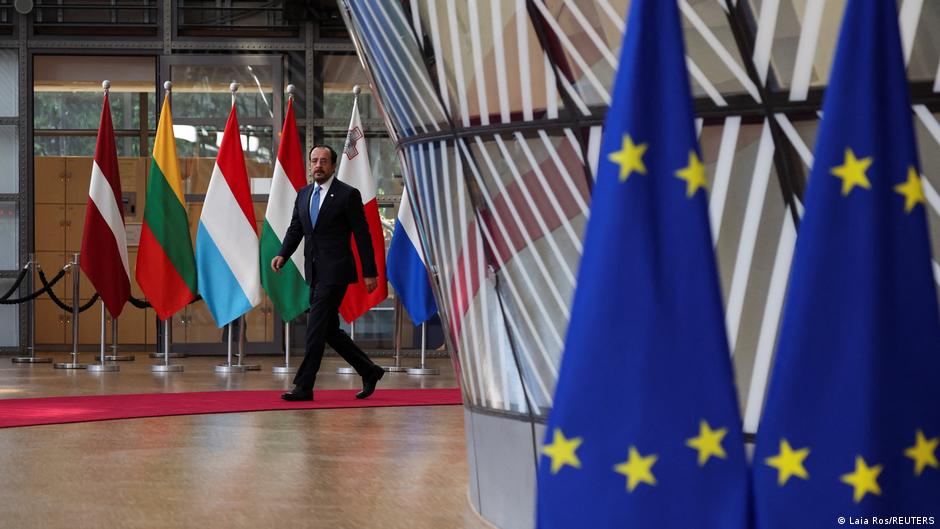
In a significant development at the EU summit held in Brussels on June 18, member states agreed to extend the sanctions imposed on Russia for a full year, marking the first time sanctions have been prolonged beyond the usual six-month period. This move reflects the European Union's commitment to maintaining pressure on Russia amid its ongoing conflict with Ukraine.
Longer Sanctions Term Reflects Unified EU Strategy
The decision to extend sanctions for a full year was enabled by the absence of a veto from Hungary, whose previous prime minister, Viktor Orbán, had consistently blocked longer extensions. Orbán's successor, Prime Minister Péter Márki-Zay, endorsed the extension, allowing the Council of the European Union to move forward with formal approval in the coming weeks.
"The EU aims to further weaken Russia's military economy and pressure the country to cease its aggressive war," said EU Council Chair António Costa’s spokesperson.
The sanctions target Russia’s energy, financial, and trade sectors, aiming to reduce the country’s revenue streams, notably from energy exports. The EU also highlighted efforts to counteract Russia's use of a "shadow fleet"—a network of vessels circumventing sanctions to export hydrocarbons.
Upcoming 21st Sanctions Package and Potential Implications
The next sanctions package, the 21st in sequence, is anticipated to introduce novel restrictions, including barring Russian military personnel involved in the Ukraine conflict from entering the EU. It may also target key figures such as Patriarch Kirill of the Russian Orthodox Church and Arkady Dvorkovich, president of the International Chess Federation (FIDE).
Notably, this package is expected to include sanctions on Russia's fishing industry for the first time, alongside additional constraints on energy, finance, and trade. However, the exact content and timeline for the 21st sanctions package remain under discussion.
Meanwhile, Bulgaria's Prime Minister Rumen Radev has announced plans to veto the upcoming sanctions package. Citing concerns about Bulgaria's economic stability and opposition to sanctions on Patriarch Kirill, Radev’s stance presents a potential hurdle for EU-wide consensus. Nonetheless, Bulgaria affirmed support for Ukraine’s EU accession negotiations.
Fintech and Digital Economy Perspectives
The extension and intensification of sanctions are poised to affect multiple facets of the digital economy. Financial institutions within and outside Russia may face increased regulatory scrutiny, especially in cross-border payments and cryptocurrency transactions that could be exploited to bypass sanctions.
Experts anticipate that the expanded sanctions will accelerate the development and adoption of enhanced cybersecurity measures and compliance technologies among fintech firms. Additionally, restrictions on Russian financial sectors could impact investor sentiment and the valuation of tech stocks linked to energy and finance.
Furthermore, the EU’s focus on restricting "shadow fleet" activities signals an evolving approach to monitoring and controlling digital channels and logistics networks tied to sanctioned commodities. This could spur innovations in maritime tracking technologies and blockchain applications for supply chain transparency.
Overall, the EU’s robust sanctions regime underlines the growing intersection between geopolitical strategy and the fintech-driven digital economy, as digital infrastructure becomes a critical factor in enforcing economic policies.