EU Budget Talks Stall as Digital and Crypto Levies Enter Funding Debate
European leaders remain divided over a seven-year budget that could reshape funding and taxation across the digital economy.
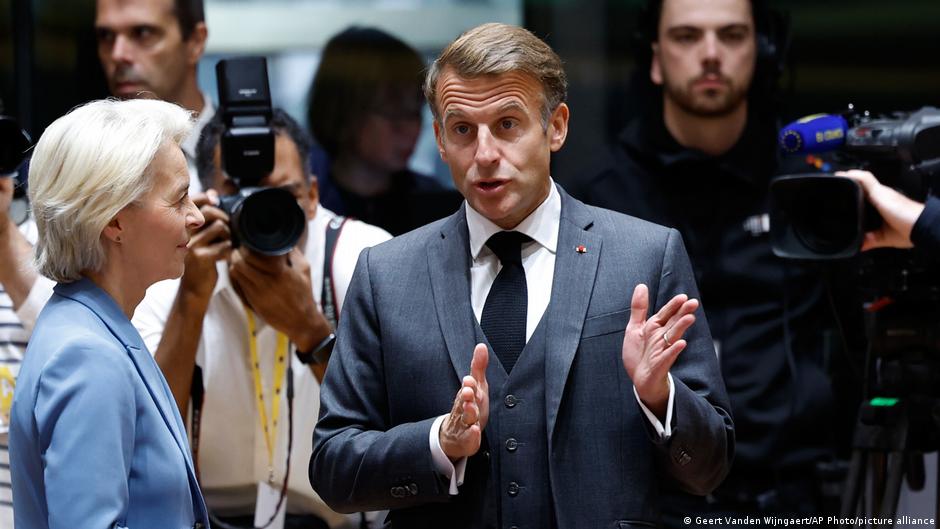
European Union leaders failed to reach an agreement on the bloc’s next seven-year budget during the first day of their summit, leaving unresolved a dispute with potentially significant consequences for digital services, cryptoassets, research funding and European technology companies.
Negotiations among EU heads of state and government in Brussels produced no breakthrough and will continue in December, AFP reported early Friday, October 16, citing sources in Germany’s federal government. The sources described the discussions as contentious, reflecting divisions that had been apparent before the summit began.
Germany, Austria, Sweden, Denmark, the Netherlands and Finland are among the countries calling for greater spending restraint. France, Spain and Poland, meanwhile, support a larger EU budget. The competing positions concern not only the overall size of the financial framework but also how Europe intends to pay for shared priorities without placing additional pressure on national contributions.
Digital services and cryptoassets emerge as potential revenue sources
France used the summit to advocate new EU-wide levies that could increase the common budget without raising direct contributions from member states. Its proposals include charges on digital services, cryptoassets and online gambling.
For the fintech and digital economy sectors, that approach would bring technology-driven activity more directly into the EU’s long-term fiscal framework. The source provided no proposed rates, assessment methods or implementation timetable for the levies, leaving their possible effects on payments companies, crypto platforms, digital banks and technology groups unclear.
The design would be decisive. A levy on digital services could affect large online platforms and potentially influence pricing, investment and cross-border business models. A charge linked to cryptoassets could also add another layer of costs or reporting obligations for companies operating in the sector, depending on whether it were imposed on transactions, holdings, service providers or another tax base. Those details were not specified during the reported discussions.
France is seeking new EU-wide revenue from digital services, cryptoassets and online gambling rather than higher national contributions.
The proposal places the digital economy at the center of a broader political compromise. Governments seeking a larger budget may see new technology-related levies as a way to finance EU programs while limiting the visible burden on national treasuries. Countries demanding savings, however, are pressing for reductions in the European Commission’s proposed spending plan.
Planned cuts could reach research and competitiveness programs
The European Commission presented a draft long-term budget worth nearly €2 trillion last summer. Ireland, which holds the presidency of the Council of the EU, proposed reducing that plan by €140 billion, or approximately 8%.
Ireland’s proposal would cut EU expenditure in competitiveness, scientific research, defense and foreign policy. Reductions in competitiveness and research funding would be particularly relevant to Europe’s technology ecosystem, where public programs can support innovation, infrastructure and the commercialization of new products. The source did not provide a breakdown of how much each field would lose or identify specific programs that might be affected.
The defense component also has a digital dimension because modern security spending can overlap with cybersecurity and advanced technology. Nevertheless, no dedicated cybersecurity allocation or proposed reduction was detailed in the summit account. The immediate market significance therefore lies in the direction of the debate: leaders are considering both lower innovation-related spending and new charges on parts of the digital economy.
German Chancellor Friedrich Merz called before the negotiations for a substantial reduction in the Commission’s proposed budget. He also categorically rejected allocating additional money to two traditionally large areas of EU expenditure: agriculture and cohesion policy.
Austrian Chancellor Christian Stocker said the negotiations could be prolonged and continue into next year. That possibility would extend uncertainty over the EU’s future spending capacity and over any new revenue measures affecting digital businesses.
December summit carries political urgency
The next EU summit is scheduled for December. Many of the bloc’s 27 member states want the long-term budget approved before the end of the year because elections in several countries in 2027 could bring Eurosceptic and populist forces to power.
In France, far-right politician Marine Le Pen could win the presidential election. AFP reported that President Emmanuel Macron has already warned that reaching an EU budget agreement would be difficult in that event.
Until leaders settle the size of the budget, the balance between spending cuts and new revenue will remain open. For fintech companies, crypto businesses, digital banks and technology investors, the December negotiations will be important on two fronts: whether Europe preserves funding for competitiveness and research, and whether digital activity becomes a more prominent source of EU-level revenue.
The summit’s first day provided no final decision on either issue. It did, however, show that digital services and cryptoassets are no longer peripheral to Europe’s fiscal debate. They are now part of the bargaining over how the EU finances its priorities for the next seven years.