NATO Intercepts Russian Military Aircraft Over Baltic Sea Amid Rising Security Concerns
A NATO coalition including France and Nordic countries intercepted Russian bombers and fighters flying over the Baltic Sea, highlighting regional tensions affecting digital security frameworks.
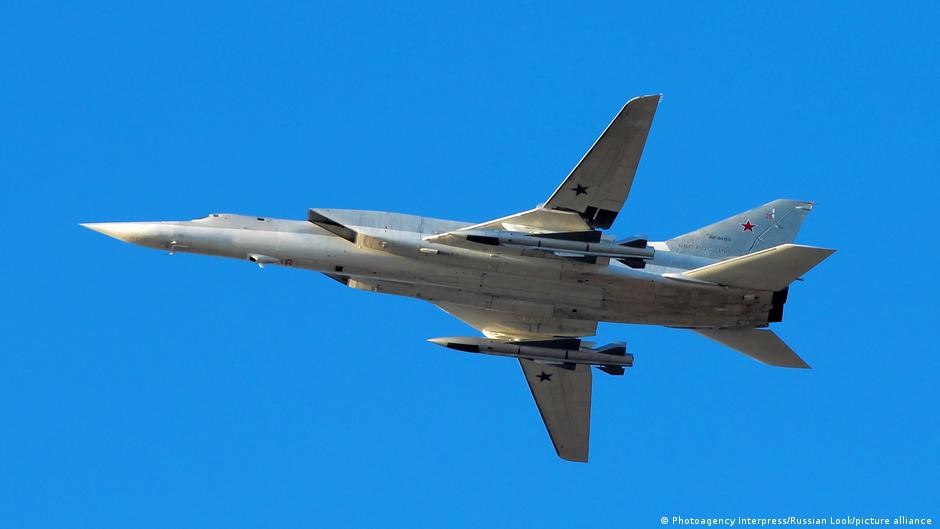
On April 20, NATO forces intercepted a group of Russian strategic bombers and fighter jets flying over the Baltic Sea, raising concerns about regional security and its implications for digital infrastructure and financial technologies in Europe.
Military Movements and Regional Digital Security Challenges
French Rafale jets, alongside aircraft from Sweden, Finland, Poland, Denmark, and Romania, intercepted Russian long-range bombers, including supersonic Tu-22M3 missile carriers, as well as Su-30 and Su-35 fighters. The multinational operation demonstrated enhanced NATO air surveillance capabilities in a region critical to European digital and financial networks.
Russian Defense Ministry officials described the flights as planned operations over neutral waters, with Tu-22M3 bombers accompanied by a rotating squad of approximately 10 Su-30 and Su-35 fighters. These flights lasted over four hours, with NATO fighters shadowing segments of the route.
"On certain parts of the route, the strategic bombers were accompanied by foreign state fighters," noted the Russian Ministry of Defense, emphasizing adherence to international flight regulations.
Despite these assurances, Lithuania's Ministry of Defense reported multiple instances from April 13 to 19 where NATO pilots scrambled to intercept Russian aircraft violating flight protocols — including transponder deactivation, lack of flight plans, and failure to communicate with air traffic controllers. Such breaches pose risks not only to physical security but also to the integrity of digital communications and cyber infrastructure in the region.
The Baltic region’s airspace is pivotal for data transmission and underpins many financial services and digital banking operations. Increased military activity may disrupt secure communication channels and complicate cybersecurity for fintech companies and digital economies dependent on uninterrupted, secure connectivity.
Implications for Fintech and Digital Economy
Heightened military tensions over the Baltic Sea could impact the stability of digital banking and cryptocurrency exchanges headquartered or operating in Northern and Eastern Europe. Disruptions in airspace security often correlate with increased cyber threats, including potential attacks on payment systems, data breaches, and interference with blockchain technologies.
Financial technology firms and investors in tech stocks must monitor these geopolitical developments closely. The intersection of physical security risks and cybersecurity vulnerabilities requires robust contingency planning and investment in resilience strategies.
As NATO strengthens its aerial defense capabilities, collaboration between military and cybersecurity agencies becomes crucial to safeguard the digital economy. The incident underscores the importance of integrating defense intelligence with fintech risk management to mitigate emerging threats in an increasingly interconnected security landscape.