France and Poland Collaborate on Military Satellite to Enhance Secure Communications
France and Poland join forces to build a military satellite providing secure communications as an alternative to Starlink, advancing European defense autonomy.
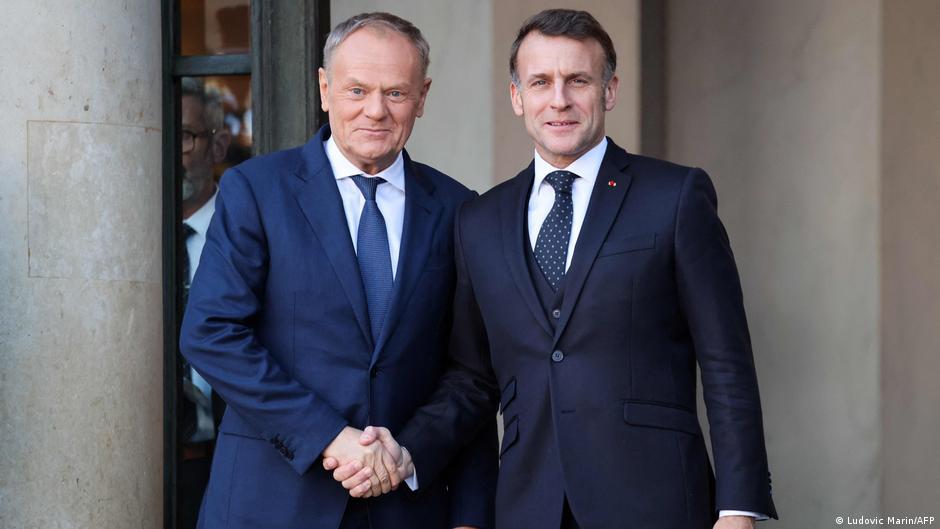
In a significant move to bolster Europe's strategic autonomy in defense technology, France and Poland have announced a joint project to develop a military communication satellite dedicated to the Polish armed forces. The announcement was made during a meeting in Gdańsk between French President Emmanuel Macron and Polish Prime Minister Donald Tusk on April 20.
Advancing European Military Communications and Digital Security
The collaboration involves major aerospace and defense contractors, including Thales Alenia Space, Airbus Defence and Space, and the Polish company RADMOR. The initiative is framed within the European Commission's defense strategy, which aims for the European Union to develop sufficient military capabilities to ensure autonomous defense by 2030.
This satellite project is particularly significant in the context of secure military communication channels. It is intended to serve as an alternative to the U.S.-based Starlink system, whose ownership by Elon Musk and associated geopolitical unpredictability have raised concerns among European defense planners. Europe’s pursuit of its own satellite communications infrastructure reflects broader fintech and digital sovereignty trends, emphasizing the importance of secure and resilient communication networks in defense.
"The new satellite will provide the Polish military with a secure communications channel, reducing reliance on non-European systems and enhancing strategic autonomy," officials noted.
While the financial details of the deal remain undisclosed, the collaboration is expected to contribute to the growing European ecosystem of space-based digital infrastructure, with implications extending to cybersecurity, encrypted data transmission, and the future of digital defense networks.
Broader Defense and Security Cooperation
Beyond the satellite project, Macron and Tusk discussed additional areas of cooperation, including nuclear deterrence, energy security, and the EU's Security Action for Europe (SAFE) initiative. This fund supports investments in European defense capabilities, highlighting an integrated approach to enhancing the continent's resilience amid evolving security challenges.
Further joint efforts are planned in the domains of missile defense, long-range weapons development, and early warning systems for missile attacks. These developments indicate a comprehensive strategy to fortify European defense through technological innovation and strategic partnerships.
From a fintech and digital economy perspective, the agreement underscores the increasing intersection between defense and advanced technology sectors, including satellite communications, cybersecurity, and digital infrastructure development. The integration of these domains is crucial for securing digital payments, protecting sensitive data, and supporting secure communications for military and governmental use.