US Tightens Sanctions on Cuban Leadership Amid Ongoing Diplomatic Tensions
New US Treasury sanctions target Cuban President Diaz-Canel and Raul Castro's family amid strained bilateral relations.
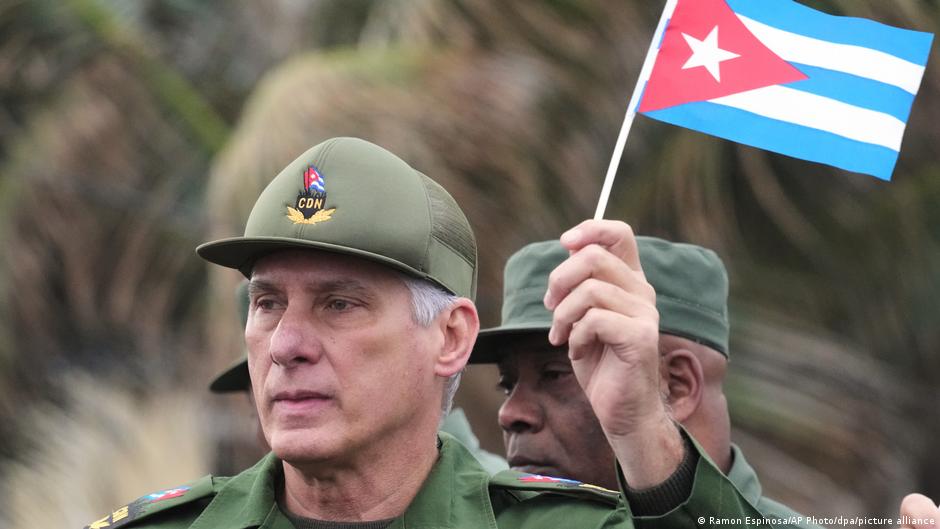
The United States has expanded its economic sanctions against Cuba's leadership, including President Miguel Diaz-Canel and members of former leader Raul Castro's family. These measures are part of a sustained US effort to exert pressure amid deteriorating diplomatic relations between the two nations.
On June 4th, the White House announced new sanctions imposed by the US Treasury Department targeting President Diaz-Canel, his wife, and stepson, as well as Raul Castro’s son and one grandson. These steps follow the July 2020 sanctions introduced by the US State Department against Diaz-Canel.
Implications of Sanctions on Cuba’s Economic and Political Landscape
Raul Castro, brother of revolutionary icon Fidel Castro, although retired from official posts, remains influential in Cuba's political decision-making. The US has recently accused him of involvement in the 1996 destruction of two civilian planes that resulted in four deaths, amplifying the diplomatic strain.
"The US has steadily increased pressure on Havana, with Cuban officials accusing Washington of seeking pretexts for military intervention."
The new sanctions come amidst a broader context of escalating tensions. Cuban authorities denounce US actions as attempts to destabilize the island and accuse Washington of threatening military control, with former President Donald Trump repeatedly suggesting such measures.
Since 1962, Cuba has been subject to a comprehensive US economic embargo. Currently, the island faces its most severe economic crisis since the Soviet Union's collapse, suffering from energy shortages and fuel deficits.
Further exacerbating Cuba’s challenges, the US military detained Venezuelan President Nicolas Maduro in January and brought him to the United States. Subsequently, Caracas halted its oil exports to Cuba, previously a vital supplier, intensifying the island's fuel scarcity and economic hardship.
From a fintech and digital economy standpoint, these sanctions and geopolitical dynamics cast a shadow over Cuba’s prospects for digital banking and payment innovations. The restrictions complicate international financial transactions and limit access to global payment networks for Cuban institutions. Additionally, the economic crisis may impede investments in digital infrastructure and cybersecurity advancements, crucial for developing resilient fintech ecosystems.
Moreover, heightened US sanctions typically result in increased scrutiny of cryptocurrency activities linked to the sanctioned individuals or entities. This impacts Cuba’s ability to leverage crypto technologies as alternative financial channels amid traditional banking constraints.
For investors tracking technology sectors in Latin America and emerging markets, these developments underline the persistent geopolitical risks that can affect regional fintech growth and digital financial integration.