US Strikes on Iran Enter Ninth Night Amid Rising Middle East Tensions
Sustained US military actions targeting Iran impact regional security and pose risks to global energy and digital trade infrastructure.
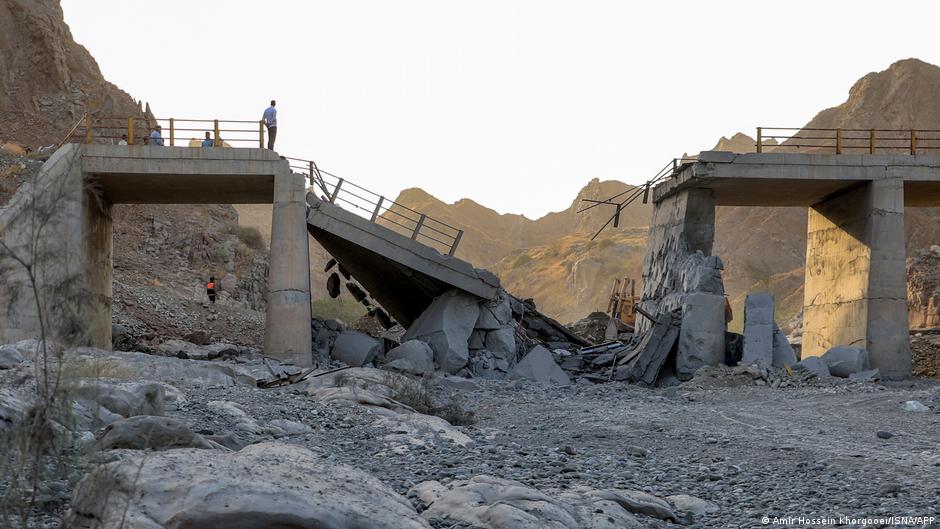
The United States military has launched strikes against targets in Iran for the ninth consecutive night following the collapse of the ceasefire between Tehran and Washington. In response, Iran is retaliating with attacks on American military facilities in Kuwait and Bahrain, escalating tensions in the Gulf region.
According to the US Central Command (CENTCOM), airstrikes commenced on July 20 at 2:30 AM Iranian time. The stated objective is to further degrade Iran's military capabilities, which the US alleges are used to threaten commercial shipping and civilian sailors traversing the strategically vital Strait of Hormuz.
Iran's Islamic Revolutionary Guard Corps (IRGC) has confirmed attacks targeting US military installations in Kuwait and Bahrain. Additionally, the IRGC reported detaining two oil tankers near the Strait of Hormuz, accusing them of attempting illegal entry or exit via southern routes. Reports indicate that the vessels subsequently exploded, intensifying concerns about navigation safety in the area.
Implications for Digital Economy and Energy Supply Chains
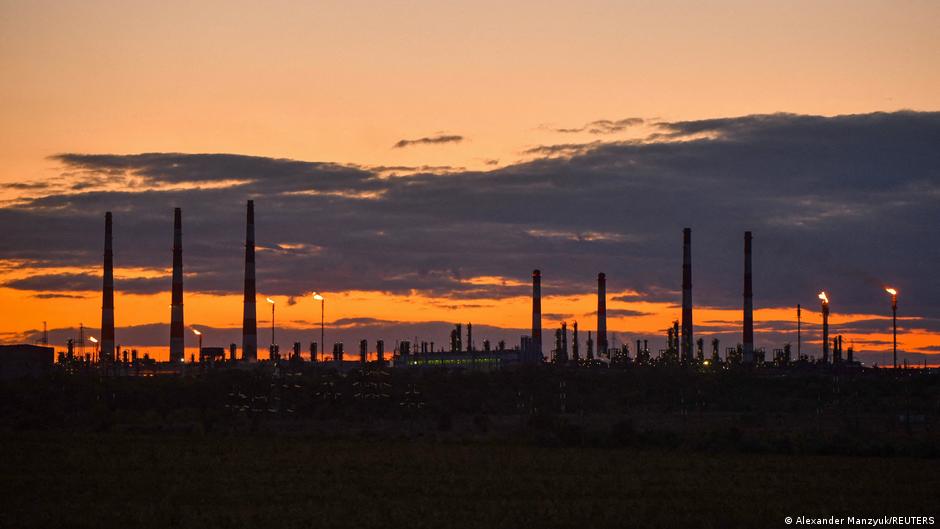
The ongoing conflict affects more than just traditional military and geopolitical stability; it poses significant risks to the fintech sector, digital banking, and global trade logistics. The Strait of Hormuz is a critical chokepoint through which a substantial portion of the world's liquefied natural gas (LNG) and oil supply is transported. Disruptions in maritime traffic not only spike energy prices but also threaten payment settlements tied to commodity trading and increase volatility in tech stocks related to energy and cybersecurity.
"The sustained military confrontation in the Gulf disrupts vital trade routes, potentially impacting digital payment flows and increasing cybersecurity risks for firms operating in the region," said an industry analyst.
Data from the London Stock Exchange indicated a decrease in vessel transits through the Strait over the weekend, with only four ships passing on July 19 compared to eight the previous day, reflecting heightened security concerns. Despite these disruptions, S&P Global reports that LNG production in Qatar and the United Arab Emirates remains relatively stable, although the volume of LNG stored on tankers waiting to pass through the Persian Gulf has increased significantly, currently totaling nearly 1.9 million tons.
These logistical bottlenecks could strain digital payment systems tied to energy trading platforms and complicate financial operations for companies reliant on uninterrupted supply chains. Furthermore, heightened military activity increases the risk of cyberattacks on critical infrastructure, making cybersecurity a pressing concern for the fintech and digital banking industries in both the Middle East and globally.
From a stock market perspective, companies involved in cybersecurity technologies, energy infrastructure, and digital payment solutions may experience increased volatility as investors assess the risks posed by ongoing geopolitical instability.
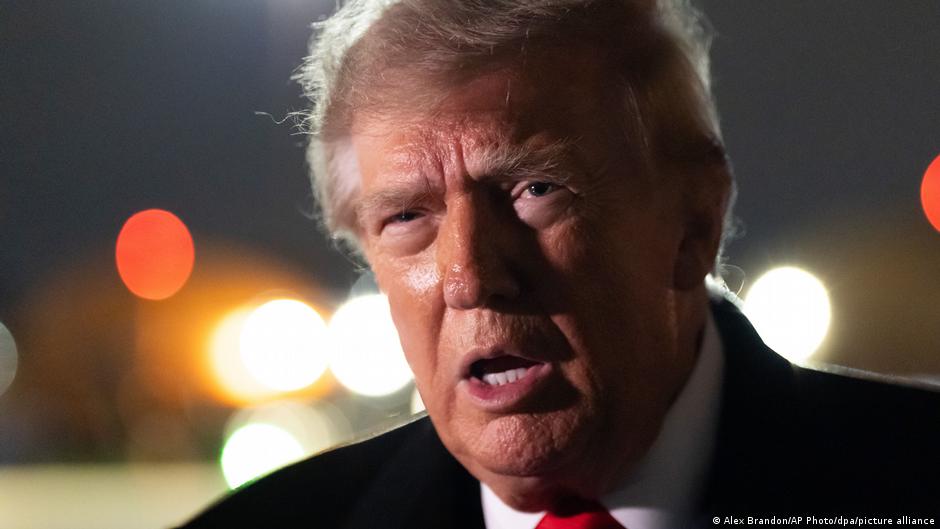
US President Donald Trump, addressing the situation upon returning from the World Cup final, described the recent strikes as a "very serious blow" administered in honor of fallen US soldiers amid the conflict. CENTCOM has reported three US military fatalities in the recent escalation, bringing the total to 17 since hostilities intensified.
The sustained military engagements in the Gulf highlight the intricate linkages between geopolitical conflicts, energy markets, and the digital economy—areas of critical interest for fintech stakeholders and technology investors worldwide.