US Military Casualties in Iran Conflict Rise to 17 Amid Escalating Regional Tensions
The death toll of US troops in the conflict with Iran has increased, highlighting rising geopolitical risks affecting global markets and digital asset security.

The number of American military personnel killed in the ongoing conflict with Iran has risen to 17, as reported by the United States Central Command (CENTCOM). The latest casualty occurred on July 18 during a controlled detonation of unexploded Iranian munitions in northern Iraq.
According to CENTCOM, the soldier died while safely disposing of remnants from a downed Iranian drone. Another service member was lightly wounded in the same operation and is currently receiving medical treatment. This incident underscores the continued volatility in the region and its potential ripple effects on global financial systems, including digital payments and cybersecurity.
Impact on Fintech and Digital Economy
The intensified hostilities between the US and Iran carry significant implications for the fintech sector and broader digital economy, particularly in areas such as payments, crypto markets, and digital banking infrastructure.
"The escalation adds layers of geopolitical risk, which can destabilize markets and challenge the security frameworks underpinning digital financial services," said an industry analyst.
Following Iranian missile attacks on a US airbase in Jordan on July 17—which resulted in two American casualties and one missing soldier—US forces conducted retaliatory strikes targeting the Islamic Revolutionary Guard Corps (IRGC). These actions aim to diminish Iran's capacity to threaten commercial shipping lanes, notably through the Strait of Hormuz, a critical artery for global oil supply and international trade.
The heightened military activity has prompted the US to deploy additional fighter jets, including F-16s from Germany’s Spangdahlem Air Base and F-35s from RAF Lakenheath in the UK, along with aerial refueling tankers to the Middle East. The presence of increased military assets raises concerns over regional stability, which can adversely affect investor sentiment toward technology and defense-related equities.
For fintech companies, the conflict escalates concerns around cybersecurity threats and operational resilience. Geopolitical tensions often lead to an uptick in state-sponsored cyberattacks targeting financial institutions and digital infrastructure. Moreover, disruptions in oil supply can induce volatility in energy prices, indirectly impacting technology stock valuations and consumer spending patterns in digital services.
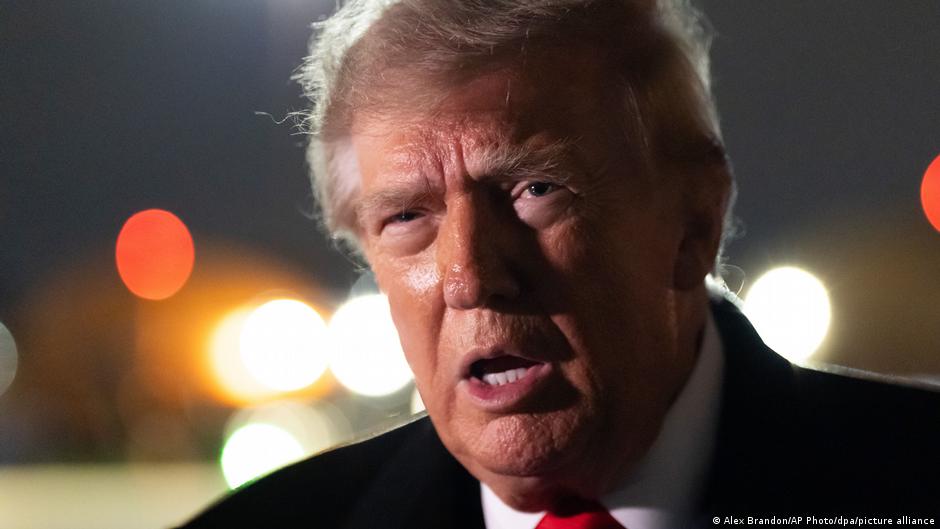
US President Donald Trump described the loss of life as a "sad event" in a NewsNation interview on July 18 but reaffirmed the administration's commitment to preventing Iran from acquiring nuclear weapons. This stance suggests ongoing military and diplomatic engagements that maintain elevated risk levels with direct and indirect consequences for the global digital economy.
As the conflict unfolds, stakeholders in the fintech sector and digital banking must prioritize enhanced risk management strategies, including fortified cybersecurity defenses and contingency planning for payment system disruptions.